What Makes Authentic Navajo & Zuni Jewelry Worth More Than Mass-Produced Alternatives?
When you walk into a gallery or browse online jewelry stores, the price differences between pieces seem inexplicable at first...
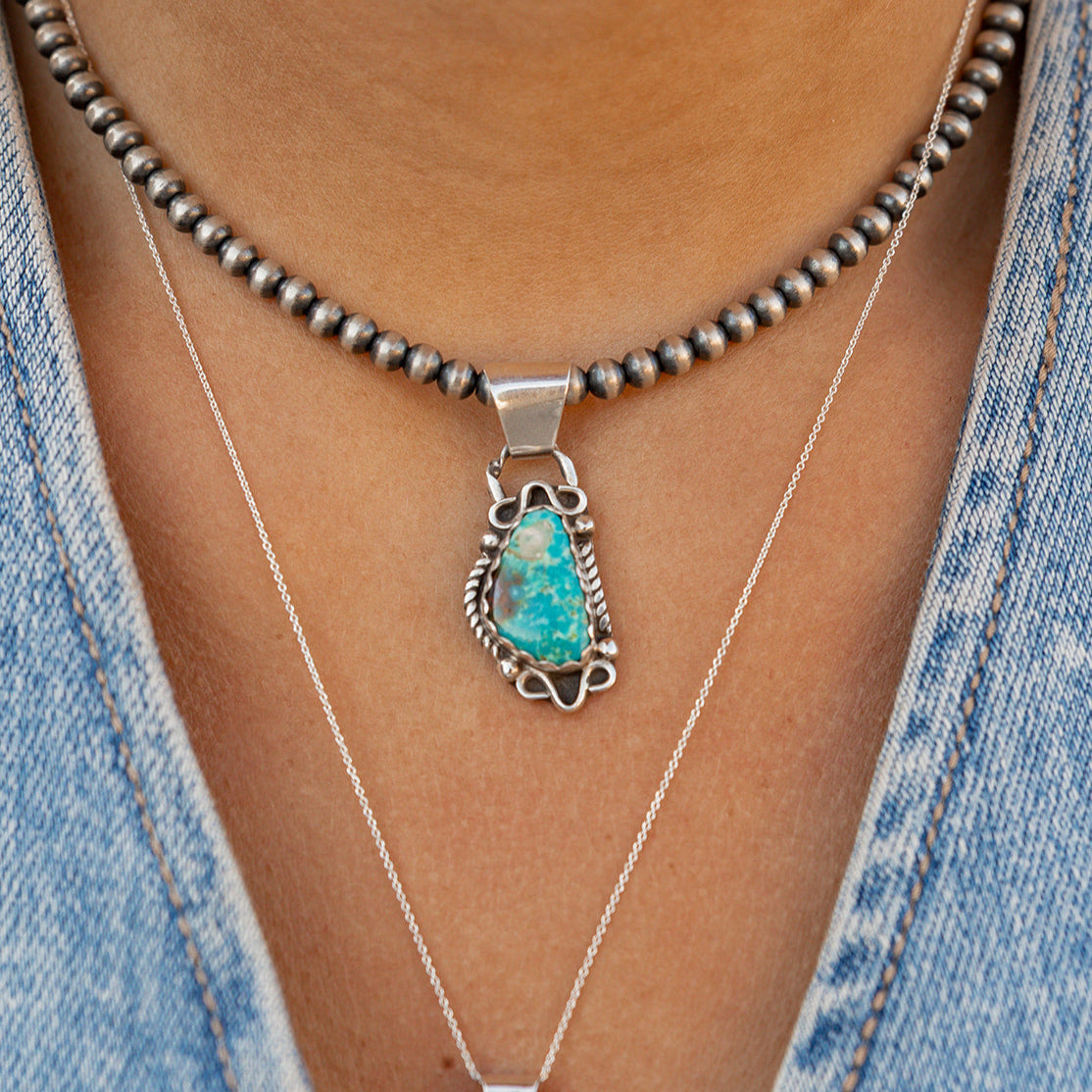
When you walk into a gallery or browse online jewelry stores, the price differences between pieces seem inexplicable at first glance. A sterling silver and turquoise bracelet costs anywhere from forty dollars to four hundred dollars, yet they look superficially similar to untrained eyes. The explanation runs deeper than simple marketing or brand names.
The Foundation: Artisan Expertise and Cultural Heritage
Native American jewelry represents centuries of refined technique passed down through family lines and tribal traditions. A Navajo silversmith didn’t learn their craft in a six-week online course. They acquired skills through apprenticeships spanning years, often beginning in childhood and continuing throughout their lifetime.
The knowledge embedded in a single piece of authentic jewelry cannot be replicated through assembly-line manufacturing. When you purchase work from established artisans, you’re acquiring the benefit of multi-generational expertise.
This is where genuine Native American jewelry diverges from mass-produced alternatives. Factory workers follow standardized patterns. Tribal artisans make artistic decisions that reflect their individual style while honoring cultural traditions.
How Materials Tell the Story
Not all turquoise is equal. Authentic pieces use genuine turquoise mined from specific locations, each with distinct characteristics and color variations. This creates natural inconsistencies that actually prove authenticity. Mass-produced pieces often use treated turquoise or synthetic alternatives that look uniform and perfect because they were chemically enhanced.
Lantern Dancer Gallery specializes exclusively in pieces from Navajo, Zuni, Hopi, and Santo Domingo artisans, ensuring material authenticity that mass-market retailers cannot match. Each stone carries geological history and regional characteristics.
The Certificate of Authenticity Factor
When you buy Native American jewelry from reputable galleries, you receive documentation proving artist identity and material composition. This certificate transforms jewelry from a consumable product into an investment asset.
Mass-produced jewelry offers no such credentials. There’s no artist signature, no origin documentation, no way to verify anything beyond vague regional claims that lack verifiable evidence.
Craftsmanship Visible in Every Detail
Look closely at authentic pieces. The bezeling around turquoise stones shows individual variations in technique. Solder joints reveal how experienced the artist is by their consistency and cleanliness. The weight and balance of a piece demonstrate whether someone spent hours perfecting proportions or followed a standard template.
Collectors who’ve examined pieces from multiple galleries develop an eye for quality that becomes immediately obvious. A native American jewelry item created with genuine care feels different in your hand compared to mass production.
Labor Investment That Justifies Cost
A single Zuni inlay bracelet might require sixty to eighty hours of meticulous work. The artist cuts individual stone pieces to fit perfectly together, often using dozens of different turquoise and coral stones. Each cut must align precisely with adjacent pieces. One mistake means starting over on that section.
Mass manufacturers accomplish comparable visual effects in four to six hours through standardized processes and pre-cut components. The aesthetic similarity masks enormous differences in execution effort and artisan skill application.
The Investment Perspective
Unlike mass-produced jewelry that depreciates immediately after purchase, authentic Native American pieces often appreciate in value. Collectors recognize this reality, which is why galleries like Lantern Dancer attract serious buyers who understand investment principles.
A vintage Navajo pearl necklace from the 1980s now commands prices several times higher than its original cost. Quality pieces become more valuable as the artisan’s reputation grows and available work becomes scarcer.
This appreciation potential distinguishes authentic pieces from expendable fashion jewelry. You’re not just buying something pretty to wear. You’re acquiring cultural artifacts with genuine economic value.
Recognizing Authenticity Requirements
Legitimate galleries take verification seriously. They establish direct relationships with artisans, often spanning decades. Calvin Begay has worked with Lantern Dancer for over thirty years, developing trust and consistent quality standards.
When you purchase from galleries claiming exclusive authentic partnerships, that relationship becomes your assurance. These galleries’ reputations depend on accurate representation. They won’t risk business credibility by selling misrepresented pieces.
Mass retailers lack this accountability structure. They buy from wholesalers who buy from distributors who source from manufacturers with no direct artist relationship. Authenticity gets lost somewhere in those distribution layers.
The Market Reality
Over 33,000 collectors have chosen to trust galleries that prioritize authenticity and artisan partnerships over high-volume profit models. This market segment understands that authentic Native American jewelry represents superior value despite higher price points.
These aren’t impulse purchases driven by momentary fashion trends. They’re deliberate acquisitions by people who recognize lasting worth.
The Environmental and Ethical Dimension
Authentic pieces support tribal artisans and indigenous communities directly. Mass production benefits corporations and overseas manufacturers. When you choose genuine Native American jewelry, you contribute to economic systems that sustain tribal traditions and cultural practices.
This ethical dimension adds value beyond the physical object itself. Your purchase supports living cultures actively maintaining heritage traditions rather than appropriating them for profit.
FAQ
Q: How can I verify a piece is actually from a Native artisan and not just made to look Native?
A: Request the artist’s name and tribe affiliation. Legitimate galleries provide certificates listing this information with the pieces. Cross-reference the artist through the gallery’s website or direct contact to verify their connection to the region and tribe.
Q: Why do some pieces cost significantly more than others from the same gallery?
A: Price reflects several factors, including artist reputation and experience, stone quality and rarity, complexity and labor hours required, and piece size and weight. A renowned artisan’s work commands premium pricing for valid reasons.
Q: Can I resell authentic Native American jewelry if my preferences change?
A: Yes, and often at prices matching or exceeding the original purchase cost. Resale platforms and reputable galleries readily purchase authenticated pieces. Keep your certificate of authenticity to facilitate future sales.