Transform Industrial Inspections with UUUFLY Drone Technology
Industrial inspections are essential for maintaining safe, efficient, and reliable operations. However, traditional inspection methods often involve scaffolding, aerial lifts,...
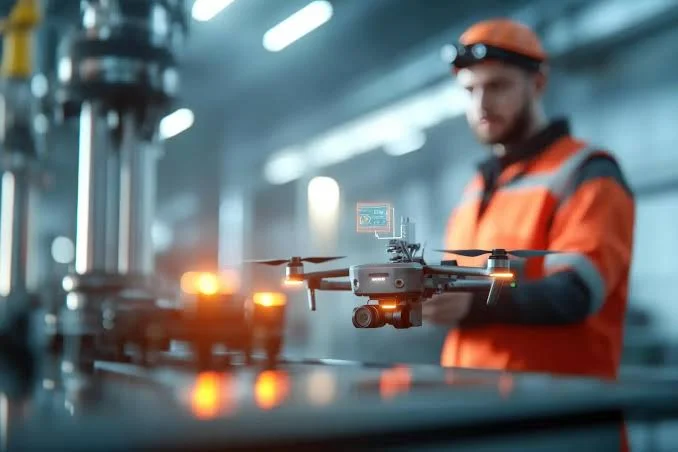
Industrial inspections are essential for maintaining safe, efficient, and reliable operations. However, traditional inspection methods often involve scaffolding, aerial lifts, confined-space entry, and manual assessments in difficult-to-access locations. These processes can increase labor costs, extend downtime, and expose workers to unnecessary safety risks. Industrial inspection drones provide a modern alternative, helping businesses collect valuable visual data while reducing their dependence on conventional access equipment.
For facility managers, procurement professionals, and industrial service providers across the United States, drone technology offers opportunities to streamline inspection workflows, improve asset visibility, and support more informed maintenance decisions.
How Industrial Inspection Drones Improve Operational Efficiency
Industrial inspection drones can be used to examine warehouses, manufacturing plants, power infrastructure, storage tanks, pipelines, and other large industrial assets. Depending on the selected model, these systems may feature high-resolution cameras, thermal imaging, and specialized sensors to capture detailed information about structures and equipment.
By accessing elevated or restricted areas, drones can reduce the need for extensive scaffolding and lifting equipment. They also allow inspection teams to capture images and videos from consistent viewpoints, making it easier to document asset conditions and identify visible changes over time.
For businesses managing multiple facilities, recorded inspection data provides valuable reference material for maintenance planning, reporting, and asset management. Regular inspections can help teams recognize potential defects earlier, prioritize maintenance activities, and reduce the likelihood of unexpected operational interruptions.
Nevertheless, choosing the right drone requires careful consideration of the intended application. Important factors include camera resolution, flight endurance, operating range, obstacle avoidance, payload capacity, positioning accuracy, and compatibility with existing inspection software.
Exploring UUUFLY Industrial Inspection Drone Solutions
Selecting an industrial inspection drone involves more than comparing technical specifications. Businesses should identify their inspection objectives, operating environments, and performance expectations before evaluating available equipment.
Organizations interested in specialized inspection equipment can explore Usolutions UUFLY industrial inspection drone solutions as part of their supplier evaluation process.
For example, companies inspecting elevated steel structures may prioritize image clarity, flight stability, and precise positioning. Facilities responsible for electrical infrastructure may require thermal imaging capabilities to support temperature-related assessments, depending on the selected drone configuration.
Procurement teams should request detailed product specifications, operating manuals, maintenance guidelines, warranty information, and available operator training. Reviewing these documents helps establish whether the equipment meets operational requirements and provides an acceptable level of long-term support.
Product Quality, MOQ, and Delivery Lead Times
Product quality is a major consideration when purchasing industrial inspection equipment. Buyers should evaluate verified technical specifications, component quality, manufacturing standards, testing procedures, and warranty coverage.
It is also important to understand the environmental conditions in which a drone can operate. Temperature limitations, wind resistance, dust protection, and moisture tolerance should be assessed against the actual conditions at the inspection site.
Minimum order quantity (MOQ) is another important procurement factor. Businesses purchasing a single drone for an initial inspection project may have different purchasing requirements from contractors equipping several teams. Buyers should clarify whether suppliers accept single-unit orders, provide volume discounts, and include essential accessories in the quoted price.
Delivery lead times should also be confirmed before placing an order. Production schedules, product configuration, shipping arrangements, and training requirements can all affect the final delivery date. Written delivery estimates and clearly defined purchasing terms help businesses coordinate equipment procurement with planned inspection activities.
Customization and Supplier Support
Different industrial applications may require different drone configurations. Some businesses need specialized cameras, additional payload capacity, software integration, or customized inspection reporting capabilities.
Before purchasing, buyers should confirm which customization options are available and whether requested modifications affect product pricing, delivery schedules, operating performance, or warranty coverage.
Supplier reliability is equally important. A dependable supplier should provide clear information about technical assistance, spare-parts availability, maintenance services, warranty claims, and after-sales support.
US-based businesses should also consider applicable Federal Aviation Administration (FAA) requirements before deploying inspection drones. Depending on the intended operation, these may include remote pilot certification, aircraft registration, and airspace authorization. Understanding the relevant regulations helps organizations plan compliant drone inspection programs.
Making an Informed Industrial Drone Purchasing Decision
Industrial inspection drones can help businesses improve inspection efficiency, access difficult-to-reach assets, and collect consistent visual information for maintenance planning. However, achieving these benefits depends on selecting equipment that matches the organization’s specific operational requirements.
Before making a purchasing commitment, procurement teams should compare total ownership costs, evaluate technical capabilities, verify supplier credentials, and review delivery and warranty terms. Requesting a product demonstration or conducting a pilot inspection can also provide practical insight into the drone’s suitability.
By carefully assessing equipment quality, customization options, MOQ, delivery schedules, and after-sales support, businesses can make more confident purchasing decisions. The right industrial inspection drone can become a valuable part of a long-term asset management strategy, helping organizations reduce inspection complexity, improve operational visibility, and support more efficient industrial maintenance.