
Expert Road & Car Park Surfacing for Commercial and Industrial Properties
Well-maintained roads and car parks are essential for safety, accessibility, and creating a strong first impression. Over time, constant vehicle...
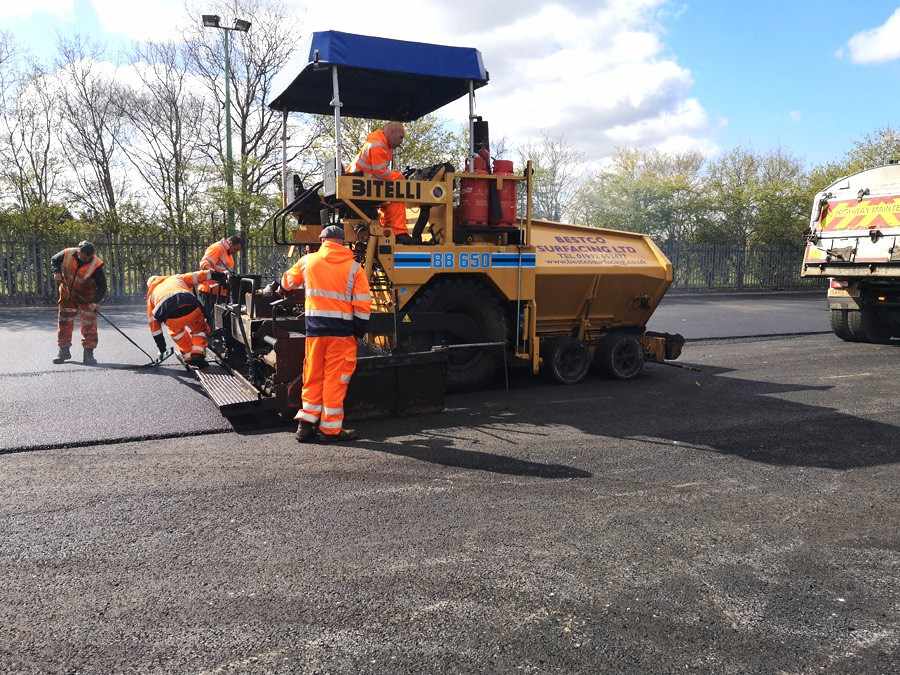
Well-maintained roads and car parks are essential for safety, accessibility, and creating a strong first impression. Over time, constant vehicle movement, weather exposure, and heavy loads begin to weaken surfaces. Cracks, potholes, and drainage problems not only reduce visual appeal but also create safety risks for vehicles and pedestrians.
For commercial and industrial property owners, professional surfacing is a long-term investment that protects infrastructure and reduces future repair costs.
Why Professional Surfacing Is Important
Surface damage rarely appears overnight. It develops gradually due to pressure, temperature changes, and water penetration. If left untreated, minor cracks can expand into structural weaknesses that require costly reconstruction.
Businesses searching for reliable road and car park surfacing in Henfield often need solutions that combine durability with minimal disruption. Proper ground preparation, correct material selection, and accurate compaction are essential to ensure the surface performs well under continuous traffic.
Key Factors That Influence Project Success
Every surfacing project depends on site-specific conditions. The condition of the existing base determines whether resurfacing alone is sufficient or whether deeper groundwork is required. Traffic volume also plays a major role, particularly for commercial properties where heavy vehicles operate daily.
Material choice further impacts long-term performance. Tarmac remains a popular option due to its strength and cost-effectiveness, while asphalt may be preferred in high-load environments. Effective drainage design and clear line marking complete the project, ensuring both functionality and safety.
Choosing the Right Contractor
Selecting an experienced surfacing contractor ensures that every stage of the project is handled professionally, from initial assessment to final finishing. A reliable company will provide clear recommendations, transparent pricing, and high-quality workmanship.
In West Sussex, Batten Surfacing Ltd has developed a strong reputation for delivering durable road and car park surfacing solutions tailored to commercial and industrial environments. Working with specialists who understand regional requirements helps ensure long-lasting results.
Long-Term Benefits for Property Owners
Professional surfacing provides more than just a smooth finish. It enhances safety, improves vehicle flow, reduces ongoing maintenance costs, and strengthens the overall appearance of a property. A well-maintained road or car park reflects positively on a business, reinforcing professionalism and attention to detail.
Investing in high-quality surfacing today prevents larger structural issues in the future and ensures infrastructure remains safe and functional for years to come.
Conclusion
Road and car park surfacing is a critical component of commercial property maintenance. Acting early to address surface wear protects both safety and long-term value. By choosing experienced professionals and investing in quality materials, property owners can secure durable, reliable surfaces that stand up to daily demands.
Frequently Asked Questions
1. How long does road and car park surfacing last?
With proper installation and maintenance, surfacing can last between 15–20 years depending on traffic levels and environmental conditions.
2. What signs indicate that resurfacing is needed?
Common signs include widespread cracking, potholes, uneven areas, and standing water after rainfall.
3. Is resurfacing more affordable than full reconstruction?
If the base layer is still structurally sound, resurfacing is typically more cost-effective than rebuilding the entire surface.
4. How long does a commercial surfacing project take?
Timelines vary depending on size and site condition. Smaller projects may take a few days, while larger areas require more preparation time.
5. Can surfacing work be phased to reduce disruption?
Yes, many contractors can complete work in stages to minimise disruption to business operations.