Cutting-Edge Dental Tech That Improves Patient Results
The field of dentistry has evolved significantly over the past few decades. With the integration of advanced technology, dental treatments...
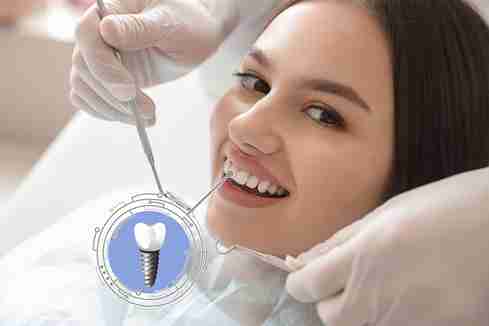
The field of dentistry has evolved significantly over the past few decades. With the integration of advanced technology, dental treatments are now faster, more accurate, and far more comfortable than ever before. From routine check-ups to complex restorative procedures, modern dental tools and techniques enhance patient experiences while ensuring superior outcomes. Patients no longer need to endure lengthy procedures or uncertainty about results. Today’s dental innovations allow practitioners to deliver precise, effective, and personalised care that keeps both smiles and overall oral health at their best.
Why Modern Dental Technology Matters
Incorporating technology into dental care is more than a trend; it is a necessity. Traditional methods, while effective, often relied heavily on manual skills and estimation. Modern technology enhances precision, reduces errors, and significantly improves patient satisfaction. Key benefits include:
- Improved diagnostic accuracy: Early detection of dental problems leads to more effective treatments.
- Enhanced treatment precision: Procedures such as fillings, crowns, and implants are more accurate.
- Better patient comfort: Minimally invasive technologies reduce pain and recovery time.
- Support for preventive care: Tools like digital monitoring enable proactive management of oral health.
By embracing technology, dental professionals and an emergency dentist in Stafford deliver higher standards of care, ensuring predictable and pleasant patient experiences.
emergency dentist in Stafford
Key Technologies Transforming Dental Care
1. Digital Imaging & 3D Scanning
Modern imaging technology has revolutionised how dentists diagnose and plan treatments. Digital X-rays provide high-resolution images instantly, reducing radiation exposure compared to traditional methods.
3D intraoral scanning is another breakthrough, capturing detailed images of teeth and gums without messy impressions. The benefits include:
- Faster, more precise diagnostics
- Accurate treatment planning for restorative and cosmetic procedures
- Early detection of cavities, gum disease, and alignment issues
These innovations allow dental teams to plan treatments efficiently, saving time and improving outcomes for patients.
2. Laser Dentistry
Laser technology has brought a new level of precision to dental treatments. Used on both soft and hard tissues, lasers reduce discomfort, bleeding, and recovery time.
Applications include:
- Gum reshaping and periodontal treatments
- Removal of decayed tissue
- Teeth whitening and cosmetic procedures
Benefits:
- Minimally invasive treatments
- Reduced post-operative pain
- Faster healing and fewer complications
Patients who undergo laser procedures often report a more comfortable experience and quicker return to daily activities.
3. CAD/CAM Technology
Computer-Aided Design and Computer-Aided Manufacturing (CAD/CAM) have transformed restorative dentistry. Crowns, veneers, and bridges can now be designed digitally and fabricated in a single visit.
Advantages include:
- Improved precision and fit of restorations
- Reduced number of appointments
- Enhanced aesthetic results
CAD/CAM technology ensures that restorations align perfectly with natural teeth, resulting in a more comfortable and functional bite.
4. Teledentistry & AI-Assisted Diagnostics
Telehealth is not limited to general medicine. Teledentistry allows patients to consult dentists remotely, providing convenience and faster access to care. AI-assisted diagnostic tools can analyse X-rays and scans to detect issues earlier than the human eye alone.
Key benefits:
- Quick assessments without unnecessary visits
- Early detection of cavities, infections, or misalignments
- Personalised treatment recommendations
These tools improve efficiency and ensure patients receive timely, targeted interventions.
5. Sedation and Pain Management Technologies
Dental anxiety is a common barrier to care. Modern sedation and pain management technologies help patients remain comfortable during procedures.
Options include:
- Conscious sedation with nitrous oxide
- Computer-controlled local anaesthesia
- Advanced pain management protocols
Benefits:
- Reduced anxiety and stress
- Greater patient compliance
- Safer and more comfortable treatments
With these technologies, patients experience less fear and more confidence in their dental visits.
Impact on Patient Outcomes
The integration of these technologies directly improves patient results.
- Shorter appointment times: Procedures are completed more efficiently.
- Reduced discomfort: Less invasive treatments mean quicker recovery.
- Predictable results: Digital planning ensures accurate restorations.
- Long-term oral health: Early detection and precise interventions prevent complications.
Example Table: Traditional vs. Technology-Enhanced Procedures
| Procedure | Traditional Approach | Tech-Enhanced Approach | Patient Benefit |
| Crowns | Manual impressions | CAD/CAM digital scan | Better fit, fewer visits |
| Gum treatment | Manual scaling | Laser therapy | Less bleeding, faster healing |
| Tooth decay detection | Visual inspection | Digital X-rays + AI | Early detection, accurate treatment |
These measurable improvements help patients enjoy healthier, longer-lasting smiles.
Enhancing Patient Experience Through Tech
Technology doesn’t just improve outcomes; it also enhances the overall patient experience.
- Virtual treatment previews: Patients can see results before procedures.
- Real-time feedback: Dentists can adjust treatments dynamically.
- Digital record-keeping: Personalised plans and history tracking improve continuity of care.
Patient-friendly tech highlights:
- Intraoral cameras for visual explanations
- Comfortable digital impressions
- Laser procedures with minimal pain
Modern technology fosters confidence, trust, and engagement in patients.
Future Trends in Dental Technology
The future of dentistry is exciting. Emerging innovations promise to make treatments even more precise and patient-friendly:
- AI-driven diagnostics: Predictive analytics for early problem detection
- Robotics: Assisting in delicate procedures with unmatched precision
- Regenerative dentistry: Tissue engineering to restore gums and teeth
- Smart oral care: Wearable devices monitoring oral health at home
These advancements will continue to enhance patient outcomes, comfort and preventive care.

hygienist in Stafford
The Role of Emergency Dental Services and Hygiene Care
Access to immediate care can significantly impact patient outcomes. When dental trauma occurs suddenly, prompt professional intervention prevents complications and ensures timely recovery. An emergency dentist in Stafford plays a crucial role in stabilising oral health and addressing urgent issues efficiently.
Routine preventive care is equally important. A hygienist in Stafford provides regular maintenance that supports long-term oral health by:
- Removing plaque and tartar buildup
- Maintaining healthy gums
- Reducing the risk of infections
- Enhancing the longevity of restorative treatments
By combining rapid emergency response with consistent preventive care, patients benefit from a comprehensive approach. This integrated strategy ensures stronger oral health, minimises future risks, and improves overall patient outcomes, fostering confidence and lasting smiles.
Conclusion
Modern dental technology has transformed the way patients experience care, making treatments faster, more precise, and less invasive. From digital imaging and CAD/CAM restorations to laser dentistry, AI diagnostics, and advanced sedation, these innovations enhance patient comfort, accuracy, and overall oral health.With expert guidance and access to professional services in Stafford, patients benefit from superior results and long-lasting smiles. The dedicated team at Stafford ensures that every treatment leverages technology effectively to improve outcomes, protect oral health, and enhance confidence.