UUUFLY Firefighting Drone Solutions for Emergency Response
For emergency response teams, reaching a fire quickly can be difficult when flames, smoke, unstable structures, or restricted access prevent...
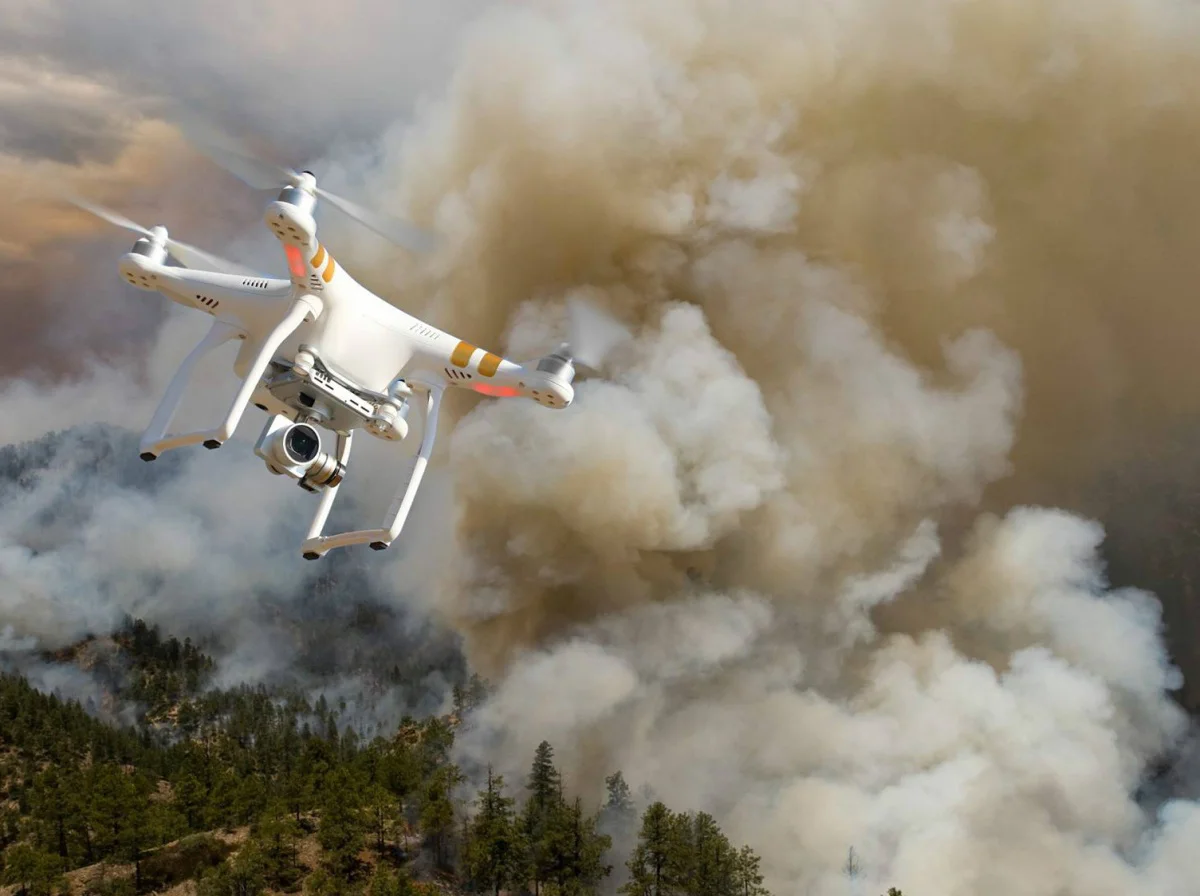
For emergency response teams, reaching a fire quickly can be difficult when flames, smoke, unstable structures, or restricted access prevent personnel from approaching safely. Business owners, procurement managers, and event companies must evaluate equipment that supports faster assessments and helps emergency personnel make informed decisions. Firefighting drones can assist by providing aerial visibility, supporting incident monitoring, and, in suitable configurations, helping deliver firefighting agents to difficult locations.
How Firefighting Drones Support Emergency Response
Firefighting drones can help responders assess hazardous areas before sending personnel into potentially dangerous conditions. Depending on the model, features may include thermal imaging, high-resolution cameras, live video transmission, and payload systems designed for specific firefighting tasks.
These capabilities can be useful at industrial facilities, warehouses, commercial buildings, outdoor events, and infrastructure sites. Thermal cameras, for example, can help identify heat concentrations, while aerial footage can provide incident commanders with a broader view of fire spread and access routes.
For procurement teams, the first step is identifying the operational problem. A drone intended for aerial fire assessment may require different specifications from a system designed to carry water or firefighting agents. Matching the equipment to the intended application helps prevent unnecessary spending and reduces the risk of selecting an unsuitable model.
What to Evaluate Before Purchasing
Selecting firefighting drone equipment requires a practical review of performance, operating conditions, and supplier capabilities.
1. Quality and Technical Performance
Buyers should examine flight endurance, payload capacity, operating range, wind tolerance, thermal imaging capabilities, and resistance to environmental conditions. These specifications should be assessed against the demands of the intended deployment site.
For firefighting models, payload performance deserves particular attention. Carrying firefighting agents can affect flight time, stability, and operating range. Buyers should request documented performance figures under realistic load conditions rather than relying solely on unloaded flight specifications.
2. Minimum Order Quantity and Lead Times
Minimum order quantity (MOQ) can influence procurement costs, particularly for event management companies, equipment distributors, and organisations purchasing multiple units. Buyers should confirm whether single-unit purchases, pilot orders, or bulk orders are available.
Lead times also require careful consideration. Delivery estimates should account for manufacturing, configuration, shipping, and any required testing. For projects tied to scheduled events or emergency preparedness programmes, written delivery commitments can help reduce procurement risks.
3. Customisation and Operational Requirements
Some deployments require specific camera systems, communication equipment, payload configurations, or integration with existing emergency response procedures. Buyers should confirm which options are supported by the manufacturer and whether modifications affect flight performance, warranty coverage, or regulatory compliance.
Customisation should serve a defined operational requirement. A clear specification list helps procurement managers compare quotations accurately and avoid paying for features that provide limited practical value.
Choosing a Reliable Firefighting Drone Supplier
Supplier reliability matters when equipment must be available for emergency operations. Buyers should review product documentation, warranty terms, spare parts availability, technical support, operator training, and maintenance arrangements.
Procurement teams evaluating UUUFLY firefighting drone solutions can use the available product information as a starting point for assessing potential equipment options. Before placing an order, they should request detailed specifications, confirm configuration availability, and clarify after-sales support arrangements.
US buyers should also review applicable Federal Aviation Administration (FAA) requirements, including operational restrictions, pilot qualifications, and any authorisations needed for the intended use. Firefighting activities may involve additional airspace coordination and site-specific safety procedures.
Making a Practical Purchasing Decision
A structured comparison helps organisations assess total ownership costs rather than focusing exclusively on the initial purchase price. Equipment cost, training, maintenance, replacement batteries, spare parts, insurance, and regulatory requirements can all affect the long-term budget.
Before committing, buyers should compare documented performance, MOQ, lead times, customisation options, warranty coverage, and supplier responsiveness. A demonstration or controlled evaluation can provide further evidence of suitability.
UUUFLY firefighting drone solutions merit consideration when the proposed equipment aligns with the organisation’s response requirements and operating environment. By verifying technical claims and clarifying commercial terms before ordering, procurement teams can make a more informed decision about investing in drone-based firefighting support.