
Why Is Zuni Jewelry Considered a Fine Art Form?
Jewelry can serve many purposes, from personal adornment to cultural expression. In some traditions, however, jewelry becomes much more than...
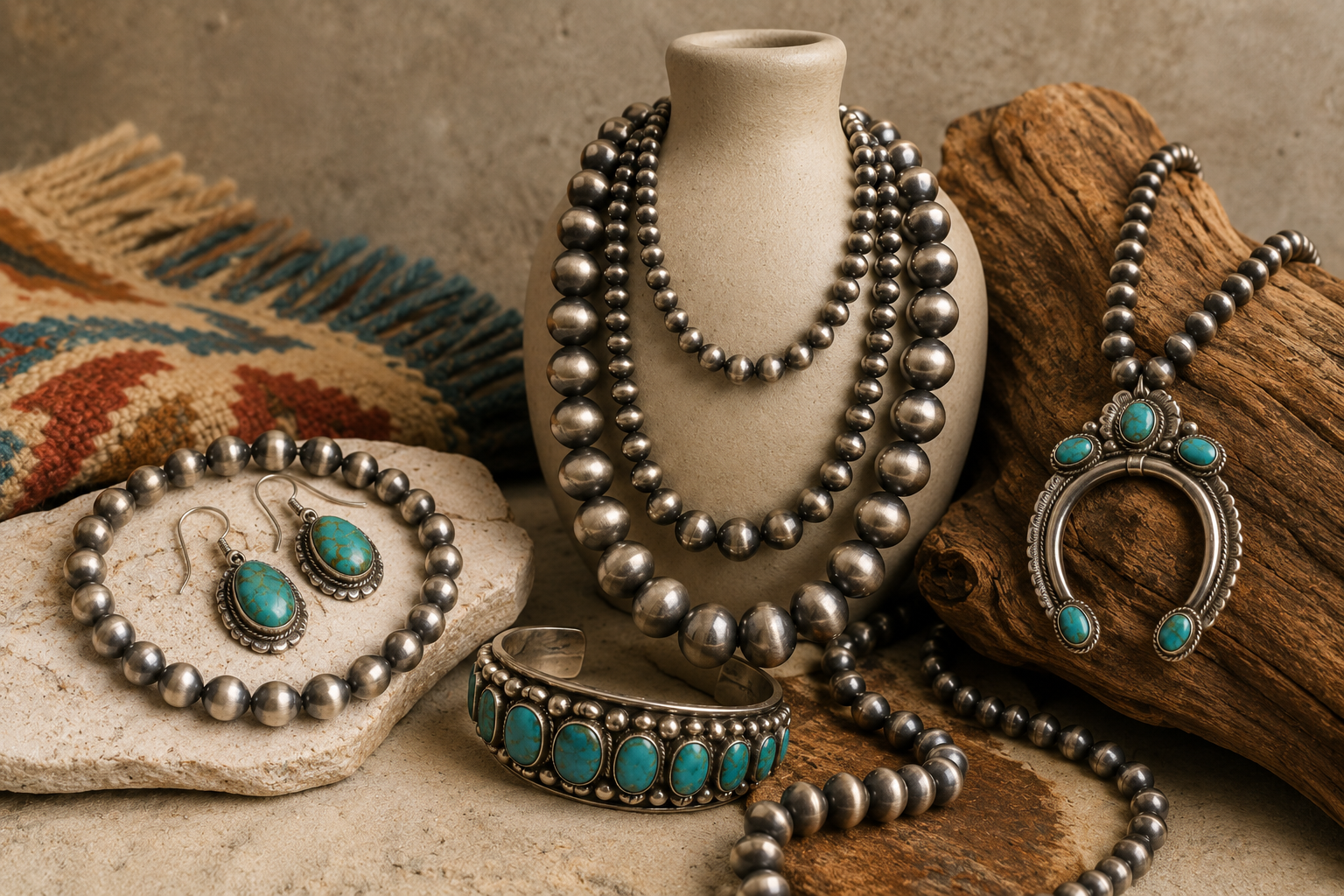
Jewelry can serve many purposes, from personal adornment to cultural expression. In some traditions, however, jewelry becomes much more than an accessory. It becomes a form of artistic creation that reflects generations of skill, heritage, and craftsmanship. Native American artisans have long been recognized for producing pieces that combine beauty with technical excellence, and their work continues to attract collectors around the world.
Among the most respected traditions, Zuni Jewelry has gained recognition for its intricate designs, exceptional stonework, and handcrafted quality. Each piece often represents countless hours of careful work, transforming natural materials into wearable works of art that showcase both creativity and cultural heritage.
The Artistic Heritage Behind Zuni Craftsmanship
The Zuni people have a rich artistic tradition rooted in their connection to community, history, and the natural environment. Over generations, jewelry making evolved into one of the most celebrated forms of this artistic expression.
Today, many artisans continue to preserve traditional methods while creating pieces that appeal to modern collectors. Their commitment to craftsmanship helps distinguish their work from factory-produced accessories and reinforces its reputation as a respected art form.
Precision Is Central to Every Design
One of the qualities that sets this jewelry tradition apart is the extraordinary level of precision involved in its creation. Many designs feature carefully shaped stones that fit together with remarkable accuracy.
Techniques That Demonstrate Artistic Skill
- Skilled artisans spend considerable time cutting and shaping individual stones by hand. Every component must fit perfectly within the design, requiring patience, technical expertise, and an eye for balance and proportion.
- Stone placement is carefully planned before assembly begins. The arrangement of colors, shapes, and textures contributes to the overall composition, creating a finished piece that resembles a miniature artwork.
- Detailed silverwork often provides the foundation for complex stone arrangements. The metal elements must enhance the design while allowing the natural beauty of the stones to remain the focal point.
- Some creations contain dozens or even hundreds of individual components. Each piece must be positioned with precision because even a slight variation can affect the overall appearance.
- Years of practice are often required to master these techniques. The craftsmanship reflects a deep level of dedication that is evident in the finished work.
Unique Stonework Sets These Pieces Apart
One of the most recognizable features of this kind of jewelry is its use of highly detailed stone inlay, needlepoint, and petit point techniques. These methods require an exceptional level of patience and accuracy that is rarely seen in mass-produced jewelry.
Artisans work with natural materials such as turquoise, coral, shell, jet, and other stones, carefully shaping each one to fit within a larger design. The result is a piece that combines technical precision with artistic creativity.
Popular Stonework Styles
- Needlepoint designs feature slender stones cut into elongated shapes and arranged in balanced patterns. The level of detail involved often creates an elegant and refined appearance.
- Petit point work uses slightly larger stones while maintaining the same emphasis on symmetry and precision. These designs showcase the artisan’s ability to create visual harmony through careful placement.
- Inlay techniques involve fitting multiple stones together to form images, patterns, or symbolic motifs. Every stone must be individually shaped to achieve a seamless result.
- Mosaic styles use numerous small stone fragments to create intricate compositions. These designs highlight both creativity and technical skill while ensuring that each piece remains unique.
- Natural variations in color and texture add character to every creation. Since no two stones are exactly alike, each finished piece possesses its own distinctive identity.
Cultural Expression Through Artistic Design
Beyond craftsmanship, these pieces are valued because they serve as a form of cultural expression. Many designs draw inspiration from nature, traditional beliefs, and symbols that hold significance within the community.
The artistic choices made by each jeweler reflect both personal creativity and a connection to longstanding traditions. This balance between innovation and heritage is one of the reasons collectors view the work as fine art.
As a result, Zuni Jewelry is appreciated not only for its visual appeal but also for the stories, symbolism, and cultural traditions it represents.
Handcrafted Work Creates Lasting Value
Fine art is often associated with originality, skill, and the ability of the creator to bring a unique vision to life. Handcrafted jewelry shares many of these qualities because every stage of production involves direct artistic involvement.
Unlike factory-made accessories, handcrafted pieces reflect countless decisions made by the artisan. From selecting materials to arranging design elements, every detail contributes to the final result.
This level of craftsmanship helps explain why collectors frequently regard exceptional examples as both jewelry and artistic creations.
The Connection Between Collecting and Appreciation
Collectors are often drawn to handmade jewelry because it offers qualities that cannot be replicated through automated manufacturing. Intricate stonework, traditional techniques, and cultural significance give each piece a unique character.
Certain works become especially sought after because they demonstrate extraordinary skill or reflect the signature style of a respected artisan. In many ways, collecting this Jewelry resembles collecting paintings, sculptures, or other forms of fine art.
The appeal extends beyond appearance and includes appreciation for the craftsmanship, creativity, and heritage that make each piece distinctive.
FAQs
What makes this jewelry style different from other Native American jewelry traditions?
This jewelry tradition is particularly known for highly detailed stonework techniques such as needlepoint, petit point, and intricate inlay. These methods require exceptional precision and patience, often involving numerous individually shaped stones. While many Native American jewelry traditions are highly respected, this style is especially recognized for its delicate detail and refined craftsmanship.
Why do collectors consider Zuni Jewelry a form of art?
Collectors often view Zuni Jewelry as art because every piece reflects the direct involvement of a skilled artisan. The creation process requires creativity, technical expertise, and extensive handwork that cannot easily be replicated through machine production. Beyond its decorative purpose, the jewelry also serves as a form of cultural and artistic expression.
Does handcrafted stonework increase the value of a piece?
Yes, handcrafted stonework can significantly influence value because it requires specialized skills and many hours of labor. Techniques such as needlepoint, petit point, and inlay demand careful attention to detail and years of experience. The quality of the craftsmanship, combined with the materials used and the reputation of the artisan, often contributes to both artistic and collectible value.
