What Are the Top Benefits of Buying a Cruising Houseboat?
A cruising houseboat sits in a different category from a stationary floating home, since it is built with a working...
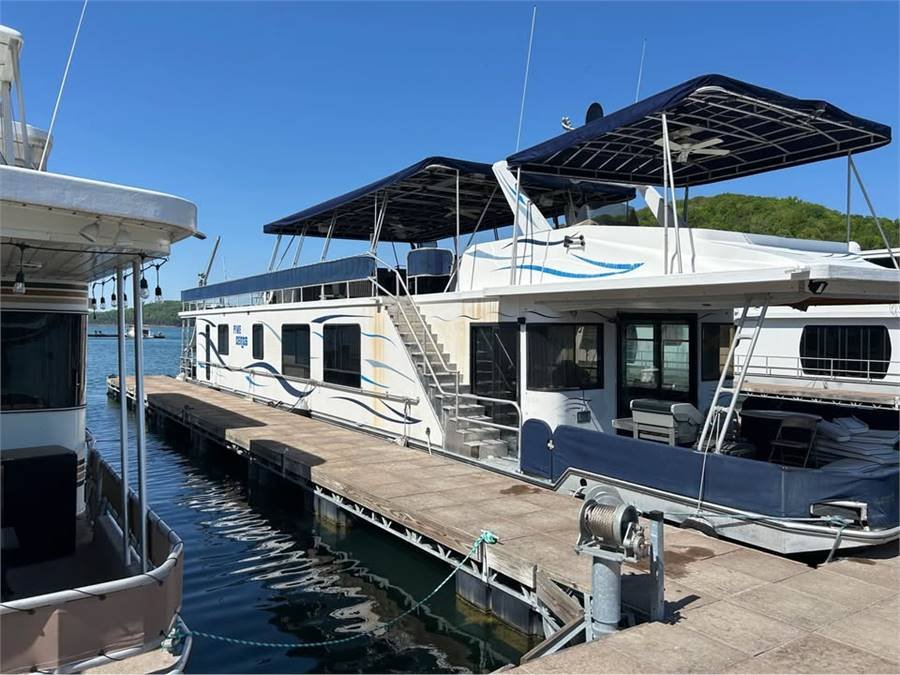
A cruising houseboat sits in a different category from a stationary floating home, since it is built with a working hull, an engine, and the ability to actually leave the dock under its own power. That single difference opens up a range of benefits that a fixed vessel simply cannot offer. For buyers weighing their options, the ability to move matters just as much as the ability to live comfortably.
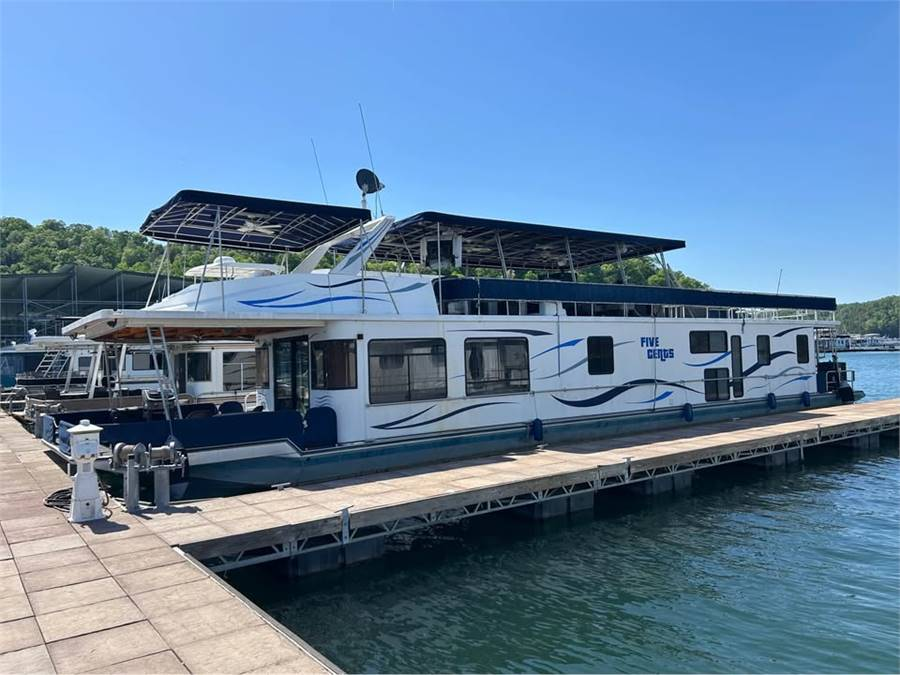
Freedom to Explore Beyond a Single Dock
The most obvious benefit of a cruising design is mobility. A stationary floating home stays tied to one location for its entire life, while a cruising houseboat can travel between lakes, rivers, and coastal waterways depending on the region.
That freedom changes how an owner experiences ownership day to day. A weekend trip does not require towing a trailer or booking a hotel room, since the living space simply travels along with the vessel. Families searching listings for house boats for sale often cite this flexibility as the deciding factor over a fixed dock home.
Real Hull Construction Built for the Water
Cruising houseboats are engineered with a proper hull, not just a flotation platform, which means they are built to handle wave action, wake, and changing water conditions during actual travel. That construction standard tends to hold up better over time than a design meant only to sit still.
- Reinforced hulls handle wake and chop from other boat traffic
- Engine compartments are built with proper ventilation and access for service
- Bilge and pump systems are designed for a vessel that actually moves through water
Multiple Ways to Use the Same Vessel
A cruising houseboat serves more than one purpose over its lifetime, which adds real value beyond the purchase price. The same boat that hosts a weekend fishing trip in the spring can become a full-time home base for an extended summer trip, then return to a home marina for the winter months.
- Weekend recreation for a family that wants a change of pace
- Extended vacation travel across connected waterways
- Seasonal or full-time liveaboard use for owners ready to relocate
- A rental or charter asset for owners interested in extra income
That kind of flexibility is difficult to match with almost any other kind of vessel, since most boats are optimized for a single use case rather than several.
Access to a Wider Range of Destinations
Because a cruising houseboat can travel under its own power, owners are not limited to a single lake or a single marina community. Rivers, connected lake systems, and coastal routes all become accessible depending on the vessel’s size and rating.
This matters for buyers who value variety over routine. Rather than seeing the same shoreline every weekend, a cruising owner can plan entirely different trips throughout a season, from quiet coves to busier marina towns with restaurants and shops within walking distance of the dock.
Stronger Resale Position Over Time
Cruising houseboats generally hold a broader buyer pool than stationary floating homes, since they appeal both to buyers who want to travel and to buyers who simply want a comfortable place to dock permanently. That wider pool of interested buyers tends to support resale value better over the long run.
A vessel that can do both jobs, travel and permanent living, is simply more useful to more people, and usable assets tend to sell faster and closer to their asking price when the time comes.
What to Consider Before Buying a Cruising Model
A cruising houseboat does come with a few tradeoffs worth weighing honestly. Fuel costs, engine maintenance, and insurance tend to run higher than a stationary floating home, since the vessel carries more mechanical complexity. Draft and air clearance also matter more for owners planning to travel through locks, under bridges, or into shallower coves.
- Fuel and engine upkeep add to the annual cost of ownership
- Insurance premiums often run higher for vessels rated for open water travel
- Draft depth needs to be checked against planned cruising routes in advance
None of these tradeoffs outweigh the core benefits for most buyers, though a clear-eyed look at the added costs helps set realistic expectations before signing a purchase agreement.
Comparing a Cruising Model Against a Fixed Alternative
Buyers who have not yet decided between a cruising vessel and a stationary floating home often find it useful to think through their actual usage pattern before comparing prices. Someone who plans to stay at one marina indefinitely may not need the mechanical complexity that a cruising design carries, and a simpler stationary model could serve that goal just as well for less money.
On the other hand, a buyer who values variety, or who has not settled on a permanent location yet, generally gets more long-term satisfaction from a cruising design, even with the added maintenance responsibilities. Being able to change course, quite literally, tends to matter more once the initial excitement of ownership settles into a routine.
Getting the Most Out of Ownership
New owners tend to get the most value from a cruising houseboat by planning a mix of short local trips and a few longer seasonal journeys, rather than letting the boat sit at the dock most of the year. A vessel built for movement earns its purchase price back fastest when it actually gets used for what it was designed to do.
Joining a local owners group or a brand-specific community can also shorten the learning curve considerably, since experienced cruisers often share route recommendations, maintenance tips, and marina reviews that are hard to find anywhere else.
Frequently Asked Questions
Can a cruising houseboat handle open water conditions?
Capability depends heavily on the specific model and hull rating, so it helps to confirm ratings before planning coastal trips.
Is a cruising houseboat more expensive to maintain than a stationary one?
Generally yes, since the engine, hull, and mechanical systems require more regular upkeep than a fixed floating home.
What license is needed to operate a cruising houseboat?
Requirements vary by state and by vessel size, so checking local boating authority rules before purchase is worthwhile.
How far can a typical cruising houseboat travel in a day?
Daily range depends on engine setup and fuel capacity, though many models comfortably cover forty to sixty miles.
Does a cruising houseboat need a bigger crew to operate safely?
Many models are designed for operation by one experienced person, though an extra hand helps with docking and mooring.