
How Remodeling and Construction Stay On Budget With a Designer Onboard?
Budgets have a way of drifting the moment a wall comes down, and homeowners typically feel it halfway through a...
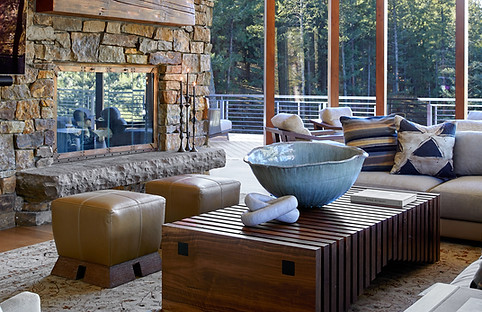
Budgets have a way of drifting the moment a wall comes down, and homeowners typically feel it halfway through a renovation once change orders start piling up. Bringing a designer in early changes that trajectory more than most people expect.
Where Budget Overruns Actually Start
Overruns rarely originate on the job site itself. They usually trace back to decisions made, or skipped, long before construction started. A missing selection, an unclear scope, or a rushed layout choice can quietly cost more once trades are already on-site and waiting.
- Selections made after materials have already been ordered
- Structural surprises uncovered mid-demolition
- Scope creep from small “while we’re at it” additions
- Vendor delays that stall a trade crew already on-site
Each of these problems is preventable with enough planning time up front, which is exactly where a designer earns their keep.
The Role of a Designer Before the First Wall Comes Down
Remodeling and Construction projects tend to stay closer to budget when every finish, fixture, and layout decision gets locked in before crews mobilize. That sequencing sounds simple, but it requires discipline that busy homeowners rarely have time to enforce on their own.
A designer typically works through every selection, tile, hardware, lighting, plumbing fixtures, well ahead of demolition day. That head start gives manufacturers enough lead time to deliver custom or special-order pieces on schedule, rather than leaving a crew standing around waiting for a shipment that has not arrived.
Coordinating Trades Without the Guesswork
A designer acts as a translator between architect, contractor, and homeowner, catching conflicts before they become costly change orders. When a plumber, electrician, and cabinet installer all need to work around the same wall, someone needs to confirm those plans agree with each other before anyone shows up with tools.
- Confirming lead times on custom pieces before demolition starts
- Flagging conflicts between design intent and structural constraints
- Keeping a single source of truth for finish selections
- Scheduling site visits around key construction milestones
This kind of coordination prevents the most expensive kind of mistake, the one that requires tearing out finished work to fix a problem that should have been caught on paper.
Where Money Is Best Spent, and Where It Isn’t
Not every dollar in a renovation budget deserves equal weight. Countertops, flooring, and anything touched daily tend to reward higher spending, while some cosmetic details can flex without affecting how a space actually performs over time.
A homeowner working without guidance often spreads a budget evenly across every category, which usually means underspending on durability and overspending on details nobody will notice in five years.
Local Realities That Shape Every Budget
Arizona Interior Designers deal with a specific set of local realities, from monsoon season scheduling delays to desert-specific material sourcing, that directly affect how a budget holds up over the life of a project. Materials that perform well in a humid coastal climate often fail quickly under intense desert sun, so substituting the wrong finish to save money upfront can create a costly repeat expense down the line.
Local permitting timelines and HOA review periods also factor into scheduling in ways that catch out-of-area contractors off guard. A designer familiar with these local rhythms builds that time into the plan from day one instead of discovering it mid-project.
A Realistic Look at Project Timelines
Staying on schedule protects a budget just as much as staying on spec does. Every week a project runs past its planned finish date adds carrying costs, whether that means extended rental housing, storage fees, or simply more time paying two sets of bills at once.
Phased projects, where design decisions and material orders happen well ahead of each construction milestone, tend to hold their timelines more reliably than projects where decisions get made reactively as each phase begins.
Homeowners who see this planning discipline in action often describe it as the difference between a renovation that feels stressful and one that feels, surprisingly, almost calm.
Building In a Cushion for the Unexpected
Even the most carefully planned project runs into something nobody could have predicted, whether that is aging plumbing behind an old wall or a shipping delay from overseas. A well-structured budget sets aside a reasonable contingency for exactly this kind of surprise, rather than assuming everything will go exactly according to plan.
That cushion does more than cover unplanned costs. It also gives a homeowner room to make a small upgrade if an opportunity comes up mid-project, without derailing the rest of the budget to do it.
- Setting aside a contingency percentage before construction begins
- Reviewing that reserve at each major project milestone
- Adjusting remaining selections if early phases run under or over
- Communicating budget status clearly at every check-in point
A designer who tracks this reserve throughout the project tends to catch a budget drifting off course weeks before it becomes an unmanageable problem.
FAQ
How much does a designer typically add to a remodeling budget?
Design fees vary by scope and firm, but the upfront cost is often offset by avoided change orders and fewer costly mid-project corrections.
What is the most common reason remodels go over budget?
Late decisions are the most frequent culprit, since selections made after materials are ordered or trades are scheduled tend to trigger delays and added costs.
Should a designer be hired before or after an architect?
Bringing both on around the same time usually works best, since design intent and structural planning influence each other from the earliest stages.
Can a designer help avoid delays from custom furnishings?
Yes, confirming lead times and placing orders well ahead of installation dates is one of the most effective ways to keep a project moving on schedule.
Is it possible to remodel on a tight budget and still use a designer?
It is possible, and often advisable, since prioritizing spending correctly on a tight budget usually benefits more from professional guidance than a project with room to spare.