
How a Fire Risk Assessment in Nottingham Helps Protect Businesses and Employees
Fire safety is an essential responsibility for every business, regardless of its size or industry. From offices and retail stores...
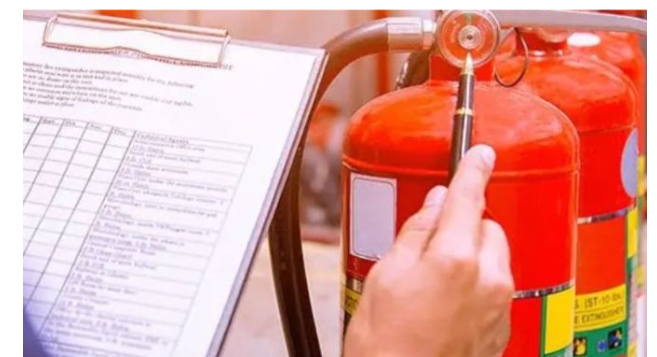
Fire safety is an essential responsibility for every business, regardless of its size or industry. From offices and retail stores to warehouses, rental properties, and hospitality venues, every workplace can face potential fire hazards. Identifying those hazards before they become serious problems can help protect employees, customers, visitors, and valuable property.
A professional fire risk assessment Nottingham service helps businesses understand where fire risks may exist and what practical measures can reduce them. Rather than simply focusing on fire extinguishers or alarms, an effective assessment considers the entire premises, including electrical equipment, escape routes, storage areas, emergency procedures, and the needs of people who may require additional assistance.
For Nottingham businesses, having a structured approach to fire safety can provide greater confidence and help create a safer working environment. Regular assessments also make it easier to identify changes that could introduce new risks as a business grows or its premises are modified.
Understanding the Purpose of a Fire Risk Assessment
A fire risk assessment is a systematic review of a building to identify potential fire hazards and evaluate the risks they create. The process generally involves examining sources of ignition, combustible materials, people who could be affected, existing fire safety precautions, and emergency arrangements.
The objective is not simply to find problems. A good assessment also helps determine what should be done to control or remove those risks. For example, if combustible materials are being stored too close to electrical equipment, the assessment may recommend relocating them to a safer area.
For a business considering a fire risk assessment in Nottingham, the process can provide a practical safety roadmap. It can highlight weaknesses that may otherwise be overlooked during normal daily operations. Once risks have been identified, management can prioritize improvements according to their seriousness and the needs of the premises.
Identifying Common Workplace Fire Hazards
Businesses can face many different types of fire hazards. Electrical faults, overloaded sockets, damaged cables, heating equipment, cooking appliances, flammable substances, and accumulated waste can all contribute to fire risk.
Storage practices are another important consideration. A warehouse, for example, may contain large quantities of packaging or other combustible materials. An office may have a different risk profile because of computers, chargers, printers, kitchens, and electrical appliances.
A professional assessment examines these conditions rather than relying on assumptions. It can also identify blocked corridors, poorly positioned fire doors, inadequate signage, or escape routes that are difficult to use. Addressing small issues early may significantly improve overall fire safety.
Protecting Employees, Customers, and Visitors
The people inside a building are ultimately the most important consideration in fire safety planning. Employees may understand the workplace layout, but customers and visitors may not know where emergency exits are located. A fire risk assessment helps businesses consider how everyone would respond during an emergency.
Particular attention should be given to people who may need additional support, including individuals with mobility limitations or other accessibility requirements. Emergency arrangements should account for their safe evacuation rather than assuming everyone can leave the building in exactly the same way.
A fire risk assessment Nottingham can help identify whether escape routes are suitable, emergency lighting is adequate, and evacuation procedures are practical. Businesses can then provide appropriate training and clear instructions to staff.
Improving Emergency Evacuation Procedures
An evacuation plan should be simple, realistic, and suitable for the specific building. Employees should know what to do when an alarm sounds, where to assemble, and how to report concerns.
A professional assessment can reveal problems that may affect evacuation. For instance, an emergency exit might technically exist but become difficult to access because of furniture, stock, equipment, or temporary storage.
Businesses can use assessment findings to improve evacuation routes, signage, fire doors, emergency lighting, and staff procedures. Regular drills can then help employees become familiar with the plan.
For example, a busy retail business may need to account for customers who are unfamiliar with the premises. A warehouse may need procedures for workers operating in separate areas. Tailoring evacuation arrangements to actual working conditions makes emergency planning more effective.
Supporting Legal and Safety Responsibilities
Fire safety is not only a matter of good business practice. Employers and responsible persons have important legal responsibilities relating to fire safety in non-domestic premises. A suitable risk assessment forms an important part of managing those responsibilities.
However, businesses should avoid treating an assessment as a one-time administrative task. Fire risks can change whenever a company introduces new equipment, changes the building layout, stores different materials, increases staffing levels, or begins using previously unused areas.
This is why businesses should review their fire safety arrangements when significant changes occur and periodically reassess existing risks. A fire risk assessment Nottingham can help management maintain an organized approach to identifying hazards and implementing appropriate controls.
Keeping records of findings and corrective actions can also make it easier to monitor progress and demonstrate that fire safety is being actively managed.
Why Regular Reviews Matter
A workplace that was considered relatively low risk several years ago may not have the same risk profile today. New electrical equipment, additional storage, renovations, changes in occupancy, or different working practices can introduce new hazards.
Regular reviews help businesses stay ahead of these changes. They can also confirm whether previously recommended improvements have actually been completed.
For example, suppose an office assessment identifies overloaded extension leads. Management replaces the temporary arrangement with appropriate electrical outlets. During a later review, the assessor can confirm that the original issue has been addressed while checking for new risks.
This ongoing approach is more effective than waiting until a fire, incident, or major building change forces attention toward safety.
Creating a Stronger Fire Safety Culture
Fire safety should not be the responsibility of one person alone. Employees at every level can contribute by reporting hazards, keeping escape routes clear, following workplace procedures, and participating in training.
A professional assessment can provide management with the information needed to educate staff about the risks specific to their environment. Training can then focus on practical situations rather than generic information.
For instance, kitchen employees may need guidance about cooking-related hazards, while warehouse workers may need greater awareness of combustible storage and machinery. Office staff may need reminders about electrical appliances and safe charging practices.
When employees understand why particular rules exist, they are more likely to follow them consistently. This creates a stronger safety culture where fire prevention becomes part of everyday workplace behavior rather than an occasional compliance exercise.
Conclusion
A professional fire risk assessment Nottingham can play an important role in protecting businesses, employees, customers, and visitors. By identifying hazards, reviewing existing precautions, and improving emergency procedures, businesses can take practical steps toward reducing fire-related risks.
Fire safety should be viewed as an ongoing process rather than a one-time requirement. Buildings, equipment, staff numbers, storage arrangements, and working practices can change over time, so fire safety measures should change with them.
For Nottingham businesses, a thorough assessment provides a clearer understanding of potential hazards and helps management prioritize improvements. More importantly, it supports a workplace where people can feel safer and better prepared should an emergency occur.
FAQs
What is a fire risk assessment?
A fire risk assessment is a structured examination of a premises to identify fire hazards, evaluate risks to people, and determine suitable measures for reducing those risks.
Who needs a fire risk assessment in Nottingham?
Businesses and other non-domestic premises generally need appropriate fire safety arrangements, with the responsible person required to carry out or arrange a suitable fire risk assessment where applicable.
How often should a fire risk assessment be reviewed?
There is no universal interval that suits every premises. Assessments should be reviewed regularly and whenever significant changes occur that could affect fire safety.
What does a fire risk assessment usually examine?
It may examine ignition sources, combustible materials, electrical equipment, fire doors, escape routes, emergency lighting, alarms, extinguishers, evacuation arrangements, staff procedures, and the needs of vulnerable occupants.
Can a fire risk assessment improve workplace safety?
Yes. It can identify hazards that may otherwise be overlooked and provide practical recommendations for reducing risks, improving evacuation arrangements, and strengthening overall fire safety management.
