Hedge Cutting Season UK: What You Need to Know Before You Start
Understanding Hedge Cutting Season in the UK If you’ve ever looked at an overgrown hedge and thought it just needs...
Understanding Hedge Cutting Season in the UK
If you’ve ever looked at an overgrown hedge and thought it just needs a quick trim, it’s not quite that simple in the UK. Hedge Cutting Season in the UK isn’t just about timing for appearance. It’s shaped by wildlife laws, plant health, and long-term maintenance.
In general, the recommended period for hedge cutting runs from late summer through winter, typically between August and February. During these months, most hedges have finished their active growth phase, and more importantly, bird nesting season has ended. This makes it safer for wildlife and more effective for shaping the hedge.
Cutting outside this window can cause more harm than good. It can stress the plant, leave it vulnerable to disease, and potentially disturb protected wildlife. That’s why timing isn’t just a suggestion, it’s a responsibility.
Why Timing Matters More Than You Think
There’s a common assumption that trimming hedges regularly keeps them neat. While that’s true to an extent, cutting at the wrong time can actually weaken the hedge over time.
During spring and early summer, hedges are in their strongest growth phase. Cutting them then can lead to uneven regrowth, gaps, or even permanent damage depending on the species. On top of that, this period overlaps with bird nesting season, which is protected by law in the UK.
Ignoring this can lead to legal consequences, especially if active nests are disturbed. More realistically, it can disrupt local biodiversity, which is something many homeowners don’t consider until it’s too late.
The Legal Side of Hedge Cutting in the UK
This is where things get a bit more serious. Under the Wildlife and Countryside Act 1981, it is illegal to intentionally damage or destroy an active bird’s nest. Since many birds nest in hedges between March and August, cutting during this time carries risk.
This doesn’t mean you can never touch your hedge during these months, but it does mean you need to check thoroughly for nesting activity before doing any work. In practice, many professionals simply avoid hedge cutting altogether during peak nesting season to stay compliant and avoid any issues.
If you’re managing land or working commercially, the rules can be even stricter, especially in rural or conservation areas.
Best Months for Hedge Cutting in the UK
For most homeowners and property managers, the safest and most effective time to cut hedges is from late August through winter. This period offers a balance between plant health and legal compliance.
Late summer is ideal for shaping, as growth has slowed and the hedge will hold its form longer. Autumn is often used for more significant trimming, while winter is suitable for harder cuts on deciduous hedges.
Evergreen hedges, like conifers, typically respond better to light trimming rather than heavy cutting, and timing can vary slightly depending on the species. That’s why a one-size-fits-all approach doesn’t always work.
Different Types of Hedges, Different Approaches
Not all hedges behave the same way, and treating them as if they do is one of the more common mistakes.
Formal hedges, such as box or privet, benefit from regular, controlled trimming to maintain clean lines. These can often be cut once or twice within the safe season. Informal hedges, on the other hand, are more about natural shape and may only need occasional maintenance.
Then there are fast-growing species like leylandii, which can quickly get out of control if neglected. These require more frequent attention but still need to be managed within the recommended Hedge Cutting Season in the UK.
Understanding what type of hedge you’re dealing with changes how and when you should approach the job.
Tools and Preparation Before You Start
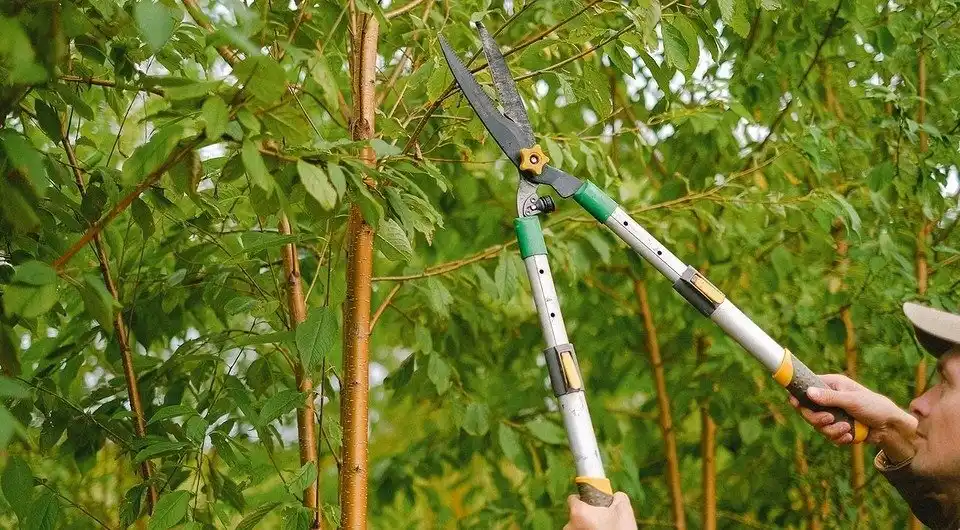
Before you even make the first cut, preparation matters more than most people realise. Blunt tools can tear branches instead of cutting them cleanly, which increases the risk of disease and slows recovery.
Whether you’re using manual shears or powered hedge trimmers, sharp blades and steady technique make a noticeable difference. It’s also worth checking weather conditions. Cutting during wet or frosty conditions can stress the plant and reduce the quality of the finish.
Another overlooked factor is waste management. Hedge cutting can produce a surprising amount of debris, so planning how you’ll dispose of it beforehand saves time and effort later.
Common Mistakes to Avoid
A lot of hedge problems come down to a few repeated mistakes. Cutting too early in the year is probably the most common, followed closely by cutting too aggressively.
Removing too much growth in one go can shock the plant and leave it struggling to recover. This is especially true for conifer hedges, which don’t regenerate well from old wood.
Another issue is inconsistent trimming. Uneven cuts not only affect the appearance but can also lead to patchy growth over time. A steady, measured approach almost always produces better long-term results.
When to Call a Professional
There’s a point where DIY hedge cutting stops being practical. If the hedge is particularly tall, overgrown, or close to neighbouring properties, it might be worth bringing in a professional.
They’re more likely to understand species-specific needs, legal considerations, and how to achieve a clean, balanced finish. It also removes the risk of injury, which is often overlooked when dealing with ladders and power tools.
More importantly, professionals tend to work strictly within the safe Hedge Cutting Season in the UK, which reduces the chance of legal or environmental issues.
Final Thoughts
Hedge cutting might seem straightforward on the surface, but timing, technique, and awareness all play a role in getting it right. The key takeaway is simple: work with the natural cycle of your hedge, not against it.
By respecting the proper Hedge Cutting Season in the UK, you not only protect your plants but also contribute to the wider environment. And in most cases, that approach leads to healthier, better-looking hedges with far less effort over time.