
Eco from the Ground Up: The Rise of Green Buildings
Green building, also known as sustainable or eco-friendly construction, refers to the practice of creating structures and using processes that...
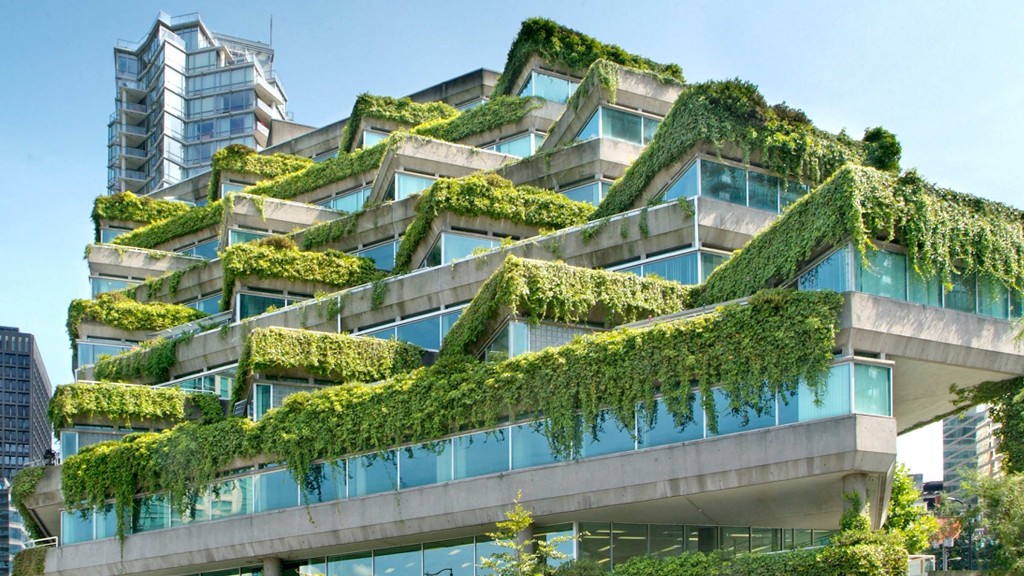
Green building, also known as sustainable or eco-friendly construction, refers to the practice of creating structures and using processes that are environmentally responsible and resource-efficient throughout a building’s life cycle. From site selection and design to construction, operation, maintenance, renovation, and demolition, green building practices aim to reduce the overall impact on the environment and human health.
At its core, green building promotes efficiency in the use of energy, water, and materials. It also focuses on enhancing indoor environmental quality and reducing waste. The goal is to minimize the carbon footprint of buildings and contribute positively to the environment and occupants’ well-being. As climate change concerns intensify and natural resources become increasingly limited, green building has become more crucial than ever before.
One of the primary aspects of green building is energy efficiency. Traditional buildings consume a significant amount of energy, often derived from non-renewable sources. Green buildings incorporate design elements and technologies that reduce energy demand, such as better insulation, high-efficiency HVAC systems, LED lighting, and smart energy management systems. In many cases, they also use renewable energy sources like solar panels or wind turbines to further reduce reliance on fossil fuels.
Water conservation is another key component of green construction. Green buildings use water-efficient fixtures, rainwater harvesting systems, and landscape designs that minimize irrigation needs. Greywater recycling systems, which repurpose water from sinks and showers for uses like toilet flushing or irrigation, are also becoming more common. These measures not only reduce the strain on municipal water systems but also lower utility costs for occupants.
Material selection plays a crucial role in sustainable construction. Green buildings often utilize recycled, renewable, or locally sourced materials to decrease environmental impact. Materials with low volatile organic compounds (VOCs) are favored to improve indoor air quality and promote occupant health. Additionally, design strategies that allow for adaptability and future reuse of materials help extend a building’s life cycle and reduce demolition waste.
Indoor environmental quality is a defining feature of green buildings. Adequate ventilation, natural lighting, and the use of non-toxic materials contribute to healthier indoor spaces. These improvements not only enhance the comfort and productivity of building occupants but can also reduce the incidence of respiratory issues, allergies, and other health problems.
Site planning and design also contribute to the sustainability of green buildings. Choosing locations with access to public transportation, incorporating green roofs, preserving existing vegetation, and minimizing land disruption are all part of a comprehensive green strategy. Urban planning that supports higher density, mixed-use developments can also reduce the need for long commutes, further lowering greenhouse gas emissions.
Beyond environmental benefits, green buildings offer significant economic and social advantages. They typically have lower operating costs due to energy and water savings, and they often command higher property values and rental rates. Moreover, many governments and municipalities offer incentives, tax credits, and grants to encourage green construction.
Socially, green buildings contribute to healthier, more comfortable living and working environments. Studies have shown that occupants of green-certified buildings experience higher levels of satisfaction, productivity, and overall well-being. This human-centered design approach reflects the broader objective of sustainable development: meeting present needs without compromising the ability of future generations to meet their own.