Is Artificial Grass Suitable for Bournemouth Gardens?
Yes, artificial grass is suitable for many Bournemouth gardens, particularly where homeowners want a consistently neat lawn with less routine...
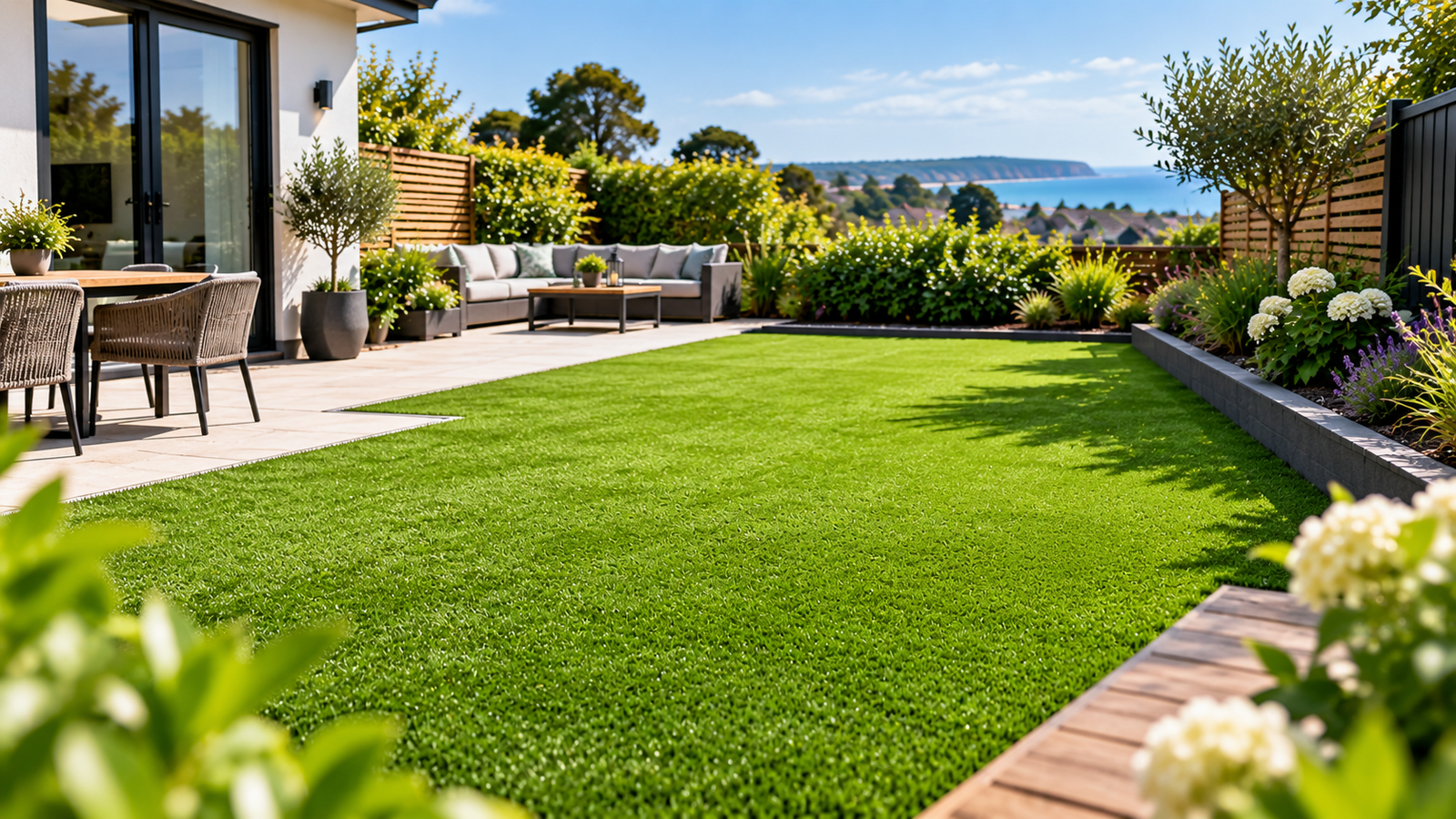
Yes, artificial grass is suitable for many Bournemouth gardens, particularly where homeowners want a consistently neat lawn with less routine upkeep than natural turf. Its suitability still depends on the individual garden. Drainage, existing ground conditions, shade, intended use, access and the quality of the installation should all be considered before deciding whether artificial grass is the right option. For some properties, natural turf remains the preferred choice. For others, artificial grass can provide a practical lawn area that works alongside paving, planting, decking and other landscaping.
Why Do Bournemouth Homeowners Consider Artificial Grass?
A natural lawn can be an attractive part of a garden, but maintaining it takes time. Mowing, edging, watering during dry periods and dealing with worn or muddy areas are all part of conventional lawn care. Artificial grass changes that routine. It does not require mowing and remains green throughout the year. This can make it particularly appealing for homeowners who want a lawn area but would prefer to spend less time carrying out traditional grass maintenance.
It may also be considered for gardens where the lawn receives frequent use and appearance is a priority. That does not make artificial grass maintenance free. Leaves, debris and spills still need to be dealt with, and the surface may need occasional brushing and cleaning. The more accurate description is low maintenance rather than no maintenance.
What Types of Bournemouth Gardens Can Artificial Grass Work In?
Artificial grass is flexible enough to be considered for many different garden layouts. A small urban garden may use it to create a defined green area between a patio and planting beds. A larger family garden might use it as part of a broader landscaping scheme. It can also be incorporated around decking, paving and other outdoor features.
It may be particularly worth considering for:
- Small gardens where every part of the lawn needs to remain usable
- Family gardens receiving regular foot traffic
- Gardens where mowing is inconvenient
- Properties where homeowners want to reduce routine lawn care
- Contemporary gardens combining lawn and hard landscaping
- Areas where the existing lawn becomes worn through regular use
Suitability should still be assessed individually. A product that works well in one setting will not automatically be the correct choice for another.
Is Artificial Grass Good for Small Bournemouth Gardens?
Artificial grass can be particularly useful in compact gardens. In a smaller space, even a relatively small worn or muddy section can affect the appearance of the entire garden. Artificial turf can provide a defined green surface without requiring space for a lawn mower or other traditional lawn-care equipment. The design needs careful thought, however.
Covering the entire garden in one material can sometimes make a compact outdoor space feel flat. Combining artificial grass with planting, paving or another contrasting surface can provide greater visual interest. The shape of the lawn also matters. Straight lines can complement contemporary properties, while carefully designed curves may work better with softer planting schemes. The objective should be to make the artificial lawn part of the overall garden rather than treating it as an isolated green rectangle.
Does Bournemouth’s Weather Affect Artificial Grass?
Artificial grass is not dependent on growing conditions in the same way as natural turf, but weather still affects how the installation performs. Rainfall needs somewhere to go. Leaves and organic debris may accumulate during autumn. Shaded areas can remain damp for longer, and exposed gardens can collect windblown debris. This makes the construction underneath the visible grass important.
A permeable artificial turf product does not automatically guarantee that a garden will drain successfully. Water still needs to pass through the installation and into a suitable underlying structure or drainage route. If the existing garden already suffers from standing water, the cause should be investigated before new artificial grass is fitted.
Does Artificial Grass Solve a Waterlogged Garden?
No. Artificial grass should not be treated as a solution to an existing drainage problem. Replacing muddy natural turf with a synthetic surface may change what you see, but it does not necessarily correct what is happening underneath. Poor drainage can result from several factors, including soil conditions, compaction, inappropriate garden levels or surrounding hard surfaces.
Where waterlogging already occurs, the site should be assessed during the preparation stage. The required solution will depend on the cause. Not every garden needs a dedicated drainage system, but an existing problem should not simply be covered over. This is one reason professional artificial grass installation in Bournemouth should begin with the ground rather than the turf catalogue.
What Ground Preparation Does Artificial Grass Need?
The finished lawn may be the most visible part of the project, but much of the important work takes place underneath it. Artificial grass should not normally be rolled directly over an existing soil lawn without appropriate preparation. Depending on site conditions, groundwork may include removing existing turf and vegetation, excavating unsuitable material, preparing levels and installing an appropriate base system. Edging and perimeter details also need consideration because they help define and secure the finished installation. There is no single base material or universal excavation depth that should be prescribed for every garden. Product specifications, soil conditions, drainage and intended use can influence the construction method. Good artificial grass groundwork is therefore site specific.
Can Artificial Grass Be Used in Shaded Gardens?
Natural grass can sometimes become sparse in heavily shaded locations because it needs appropriate growing conditions. Artificial grass does not depend on sunlight for growth, so shade itself does not prevent it from remaining green. However, a shaded artificial lawn still requires maintenance. Areas receiving limited sunlight may remain damp for longer after rainfall, while leaves and other organic material can collect on the surface. Regular debris removal and appropriate drainage therefore remain important. If a garden is shaded by trees, overhanging vegetation may also increase the frequency of cleaning.Artificial grass can remove one challenge associated with growing natural turf in shade, but it does not eliminate the need to manage the conditions of the wider garden.
Is Artificial Grass Suitable for Family Gardens?
A family lawn often has to accommodate much more than its appearance. Children may play on it, garden furniture may be moved across it and the same routes between the house and patio can receive repeated foot traffic. Artificial grass does not become worn in exactly the same way as living turf, which can make it useful in regularly used areas. The specific product still needs to match the intended use. Pile characteristics, installation method and the construction underneath should all be considered. Frequently used areas may also require more brushing and cleaning than decorative sections of lawn. For families, the decision should be based on practical use rather than appearance alone.
What About Gardens With Dogs and Other Pets?
Artificial grass is commonly considered for gardens used by dogs, but homeowners should choose the system carefully.Do not assume that every artificial grass product has identical characteristics or is automatically suitable for pets. Ask the supplier or installer about the particular product and its intended use. Cleaning and drainage are especially important in pet areas. Solid waste should be removed promptly, while frequently used areas may require regular cleaning according to the manufacturer’s instructions. If odour becomes persistent, simply adding fragrance is unlikely to address the underlying cause. Cleaning practices and drainage may need to be examined. A properly considered pet garden needs to account for the surface, base and drainage together.
Will Artificial Grass Always Look Natural?
Modern artificial grass is available in many appearances, but whether a lawn looks convincing depends on more than the turf itself. Colour, pile structure, lawn shape, edging and surrounding landscaping all affect the finished result. A high-quality product can still look poorly integrated if it is fitted without considering the rest of the garden.
Planting can make a considerable difference. Real shrubs, grasses, trees and flowering borders can soften the transition between the artificial lawn and surrounding surfaces. Likewise, thoughtful combinations with patios or decking can make the lawn feel like one part of a complete garden design.Choosing artificial grass should therefore involve looking beyond a small product sample.
Is Artificial Grass Really Low Maintenance?
Yes, compared with many natural lawns, but it is not maintenance free. Artificial grass eliminates mowing and several other jobs associated with keeping living turf healthy. It still benefits from straightforward ongoing care.
Typical maintenance can include:
- Removing fallen leaves and garden debris
- Cleaning spills when they occur
- Removing pet waste promptly
- Brushing flattened high-traffic areas when required
- Keeping edges clear
- Checking drainage areas
- Monitoring joins and perimeter details
How often this is necessary depends on the garden.
A lawn beneath mature trees will probably need more frequent debris removal than an open garden. Likewise, a lawn used daily by children or pets will have different maintenance requirements from a lightly used decorative area.
How Does Artificial Grass Compare With Natural Turf?
The better choice depends on what you expect from the garden.
- Natural turf provides a living lawn and may be preferred by homeowners who value real grass and do not mind seasonal lawn maintenance.
- Artificial grass provides a manufactured surface that stays green without mowing but requires cleaning and has different installation considerations.
Before choosing between them, consider:
| Factor | Natural Turf | Artificial Grass |
|---|---|---|
| Mowing | Required | Not required |
| Water for establishment/growth | May be required | Not required for growth |
| Cleaning | Usually limited | Periodic cleaning required |
| Natural appearance | Real living grass | Product dependent |
| Ground preparation | Important | Important |
| Drainage | Important | Important |
| Seasonal change | Yes | Limited |
| Repair approach | Can regrow or be returfed | Damaged sections may require repair |
Neither option should automatically be described as better. The right choice depends on priorities, site conditions and how the lawn will be used.
Can Artificial Grass Be Combined With Patios and Decking?
Yes, and this can often produce a more practical garden than relying on one surface throughout. For example, a patio can provide a stable area for dining furniture, while artificial grass creates a softer visual section elsewhere. Decking can define a seating area, with planting used to connect the different materials. Planning these elements together also allows levels, drainage and transitions to be considered before construction begins. This is particularly useful during a complete garden transformation because installing each feature independently can make it harder to achieve a cohesive result.
When Might Artificial Grass Not Be the Right Choice?
Artificial grass is not appropriate for every homeowner or every garden. Natural turf may be more suitable if you strongly prefer a living lawn, enjoy gardening and lawn care, or simply prefer the seasonal character of real grass. Artificial turf may also require reconsideration where serious drainage or ground problems have not yet been resolved.
Cost is another factor. Artificial grass requires upfront investment in both the product and appropriate groundwork. Comparing only the price of turf materials does not provide a realistic picture of the complete installation.A professional assessment should help determine whether artificial grass actually meets the needs of the property rather than treating it as the default lawn solution.
Is Artificial Grass Right for Your Bournemouth Garden?
For many properties, the answer is yes. Artificial grass in Bournemouth can provide a practical lawn where reduced maintenance, regular use and a consistently green appearance are priorities. Its success, however, depends heavily on choosing an appropriate product and preparing the garden correctly. Drainage, groundwork, levels and surrounding landscaping should be considered before installation rather than after problems appear.
NexGen Landscapes provides artificial grass and turfing services in Bournemouth, allowing homeowners to consider both lawn options alongside patios, paving, fencing, decking and wider garden improvements. The best choice is the one that suits the conditions of the garden and how the outdoor space will actually be used.
FAQs About Artificial Grass in Bournemouth
Is artificial grass suitable for Bournemouth’s rainy weather?
It can be, provided the installation has appropriate drainage for the individual site. Artificial grass itself should not be expected to solve an existing waterlogging problem.
Can artificial grass be installed in a small Bournemouth garden?
Yes. It can provide a defined, low-maintenance lawn in compact gardens and can be combined with planting and paving to create different functional areas.
Does artificial grass need maintenance?
Yes. Leaves and debris should be removed, spills and pet areas cleaned, and flattened fibres brushed where necessary. It is low maintenance, not maintenance free.
Can artificial grass be installed over soil?
The existing ground normally requires preparation before artificial turf is installed. The appropriate build-up depends on site conditions, drainage, use and the chosen installation system.
Is artificial grass better than natural turf?
Not universally. Artificial grass may suit homeowners prioritising reduced lawn care, while natural turf suits those wanting a living lawn. The garden and homeowner’s priorities should determine the choice.