
How Super Best Friends Soccer Creates Lasting Friendships on the Field
Soccer is often described as a game of goals, teamwork, and competition, but its influence can reach far beyond the...
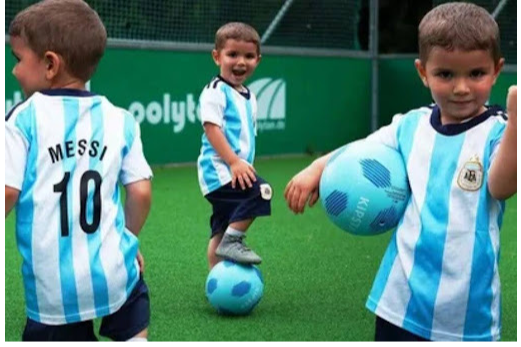
Soccer is often described as a game of goals, teamwork, and competition, but its influence can reach far beyond the final whistle. For many young players, the soccer field becomes a place where meaningful friendships begin. The shared experiences of training, competing, celebrating victories, and overcoming challenges can create connections that last for years. This is one of the reasons the idea of super best friends soccer has become so meaningful for players and families who value both athletic development and social growth.
When children play soccer together regularly, they learn how to communicate, trust one another, and support teammates during difficult moments. These experiences naturally create opportunities for friendships to develop. A strong soccer environment does not simply teach children how to pass or score; it gives them a community where they can feel included, confident, and connected.
Why Soccer Is a Natural Environment for Friendship
Soccer provides children with something that many individual activities cannot: continuous interaction with teammates. Players must communicate throughout a match, understand each other’s movements, and work toward the same objective. These repeated interactions can turn unfamiliar teammates into trusted friends over time.
The super best friends soccer concept highlights this social side of the sport. A player may initially join a team knowing only one or two people, but regular practices and games create countless opportunities to build relationships. Passing the ball to a teammate, encouraging someone after a missed opportunity, or celebrating a goal together can strengthen trust.
For example, a new player who feels nervous during the first practice may become much more comfortable after teammates invite them into a passing drill or encourage them during a game. Small moments like these can make a young athlete feel accepted and valued.
Teamwork Builds Stronger Connections
Learning to Trust Teammates
Teamwork is one of the strongest foundations of lasting soccer friendships. Players quickly discover that success depends on trusting others rather than trying to do everything themselves. A midfielder needs to trust a forward to make a run, while defenders depend on one another to maintain their positions.
Through Super Best Friends Soccer, players can develop this trust naturally. They learn that every teammate has an important role and that cooperation can produce better results than individual effort. This lesson often extends beyond the field.
Consider a situation where a player makes a mistake that leads to an opponent scoring. Instead of blaming that teammate, supportive players can encourage them and focus on the next play. Experiences like this teach children how to respond positively when someone struggles. Over time, those shared moments of trust and encouragement can transform teammates into genuine friends who support each other both during games and outside soccer.
Shared Experiences Create Lasting Memories
Friendships become stronger when people experience important moments together. Soccer provides plenty of memorable experiences, from a player’s first tournament to a dramatic last-minute goal. Even challenging experiences, such as losing an important match, can become stories that teammates remember and discuss years later.
The best soccer experience for super best friends is built around these shared memories. Players may spend weekends traveling to games, practicing after school, participating in team activities, or celebrating accomplishments together. These activities create a sense of belonging that goes beyond regular competition.
For instance, teammates who struggle through a difficult tournament may develop a stronger relationship because they encouraged one another throughout the event. Winning is exciting, but overcoming challenges together can sometimes create an even deeper connection. These memories help children understand that friendship is not only about having fun when everything goes well; it is also about supporting each other when circumstances become difficult.
Communication Helps Young Players Connect
Talking, Listening, and Supporting
Good communication is essential in soccer, and it is equally important for developing friendships. Players need to communicate quickly during games, but they also need to listen to coaches and teammates. These habits can help children become more comfortable expressing themselves and understanding different personalities.
A positive Super Best Friends soccer environment encourages communication without making players afraid of mistakes. Instead of criticizing a teammate for making the wrong pass, players can learn to communicate constructively. Simple phrases such as “keep going,” “nice try,” or “I’m open” can make a major difference in team morale.
Coaches and parents can support this process by encouraging respectful communication. When children learn to speak positively, listen carefully, and resolve disagreements calmly, they develop social skills that can benefit them at school and in other areas of life. Soccer therefore becomes more than an athletic activity; it becomes a practical environment for learning how healthy relationships work.
Inclusion Makes Friendships More Meaningful
A soccer team can bring together children with different personalities, backgrounds, skill levels, and interests. This diversity creates an opportunity for players to meet people they might not otherwise know. When teams encourage inclusion, young athletes are more likely to feel comfortable participating and forming friendships.
The spirit behind Super Best Friends Soccer is especially valuable when every player feels that they have a place on the team. A beginner should feel just as welcome as an experienced player. Coaches can help by creating balanced activities, encouraging teamwork, and making sure quieter children have opportunities to participate.
A practical example is pairing experienced players with newer teammates during practice drills. The experienced player can offer guidance while the newer player gains confidence. Both athletes benefit because teaching and learning create opportunities for conversation and cooperation. Over time, these interactions can develop into friendships based on mutual respect rather than simply shared competition.
Coaches Play an Important Role
Creating a Positive Team Culture
Coaches influence much more than technical performance. Their attitude can shape how players treat one another and whether the team feels welcoming. A coach who emphasizes respect, teamwork, encouragement, and sportsmanship creates an environment where friendships can develop naturally.
In a super best friends soccer setting, coaches can include activities that encourage players to interact with different teammates instead of always working with the same friends. Rotating practice partners, using small-sided games, and organizing team challenges can help players become familiar with everyone.
Coaches should also recognize positive behavior. Praising a player for helping a teammate, sharing the ball, or encouraging someone after a mistake reinforces the idea that good teammates matter as much as talented players. This approach can reduce unnecessary competition within the team and create a healthier atmosphere where children feel comfortable being themselves.
Parents Can Encourage Healthy Soccer Friendships
Parents also have an important role in helping children build positive relationships through soccer. Encouraging children to focus on teamwork rather than only goals or wins can make their experience more enjoyable. Parents can ask questions such as, “Who did you enjoy playing with today?” or “Did you help one of your teammates?” instead of focusing exclusively on the match result.
The super best friends soccer experience becomes stronger when adults allow children to develop friendships naturally. Parents can support team activities, encourage respectful behavior, and avoid creating pressure around performance.
It is also helpful to remember that not every teammate will become a best friend, and that is perfectly normal. Children can still learn valuable lessons from working with people who have different personalities. The goal is to create respectful, supportive relationships where players enjoy being part of the team and feel comfortable participating.
Friendships Can Continue Beyond the Soccer Field
One of the most valuable aspects of youth soccer is that friendships do not necessarily end when practice or a match is over. Teammates may continue spending time together at school, community events, birthday parties, or other activities. Soccer can become the starting point for relationships that develop in many different areas of life.
The super best friends soccer idea represents this lasting connection. A shared passion for the sport gives children something in common, but genuine friendship grows through trust, communication, humor, support, and shared experiences.
Even when players eventually move to different teams, the friendships they developed can remain meaningful. A teammate from childhood may become someone they remember fondly years later. These long-term relationships demonstrate why youth soccer should be about more than competition. The field can provide an environment where children learn how to cooperate, appreciate others, handle challenges, and build relationships that extend well beyond the game.
Conclusion
Soccer has the power to develop athletes while also helping children build meaningful social connections. Through teamwork, communication, shared challenges, and positive encouragement, players can form friendships that become some of their most valuable memories from childhood.
Super Best Friends Soccer represents the idea that the strongest teams are not only measured by their scores but also by how players treat and support one another. When coaches, parents, and teammates create an inclusive environment, soccer becomes a place where children can grow in confidence and build relationships naturally. The friendships formed on the field can ultimately become one of the most rewarding parts of the entire soccer experience.
Frequently Asked Questions
What makes soccer good for building friendships?
Soccer requires constant teamwork, communication, and cooperation. Players spend regular time together during practices and games, giving them repeated opportunities to interact, support each other, and develop trust.
How can coaches encourage stronger friendships?
Coaches can rotate practice partners, organize team-building activities, encourage positive communication, and recognize players who demonstrate teamwork and sportsmanship rather than focusing only on individual performance.
Can beginner players make friends through soccer?
Absolutely. Soccer gives beginners opportunities to interact with teammates during drills and games. A welcoming team environment can help new players gain confidence while forming relationships with other children.
Why are shared soccer experiences important?
Shared experiences create memories. Winning games, overcoming difficult matches, traveling for tournaments, and supporting teammates through mistakes can strengthen relationships and give players experiences they remember for years.
Does soccer friendship continue outside the field?
Yes. Teammates may become friends at school, social events, or other activities. Even after players join different teams, the relationships and memories developed through soccer can continue to influence their lives.
