
Mobile Auto Hail Damage Repair for Convenient Vehicle Restoration
Hailstorms can happen unexpectedly, leaving vehicles covered with dents, dings, and other visible damage. Even a short storm can affect...
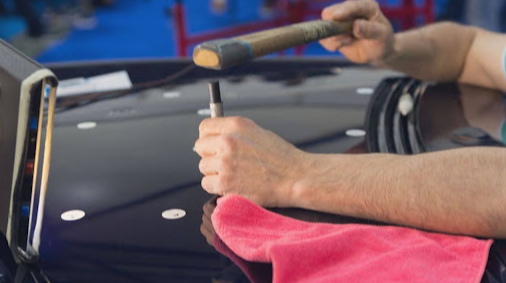
Hailstorms can happen unexpectedly, leaving vehicles covered with dents, dings, and other visible damage. Even a short storm can affect the appearance and value of a car. For vehicle owners dealing with storm-related damage, finding a convenient repair option can make the recovery process much easier. Mobile auto hail Damage repair provides a practical solution by bringing professional repair services directly to the vehicle.
Instead of spending time arranging transportation to a traditional body shop, vehicle owners may be able to have technicians inspect and repair their cars at a convenient location. This approach can save time while making the repair process less disruptive to everyday routines.
Modern repair techniques can also restore many hail-damaged panels without replacing the original parts. Understanding how mobile hail repair works, what benefits it offers, and when professional assistance is needed can help vehicle owners make an informed decision after a storm.
Understanding Mobile Auto Hail Damage Repair
Mobile auto hail Damage repair is a service designed to repair hail-related dents at a customer’s preferred location when the damage and working conditions allow it. Skilled technicians generally use specialized tools and techniques to carefully restore damaged panels while maintaining the vehicle’s original structure.
One commonly used approach is paintless dent repair, often called PDR. This technique involves carefully manipulating the metal from behind the panel to remove dents without disturbing the original factory paint. It can be particularly useful when hail creates multiple small or medium-sized dents.
For example, a vehicle parked outside during a severe storm might have dozens of shallow dents across its hood and roof. Rather than replacing every affected panel, a qualified technician can assess the damage and determine whether paintless repair is appropriate. This can make the process more efficient and preserve original components.
Why Mobile Repair Is a Convenient Option
Convenience is one of the biggest advantages of mobile hail damage services. Traditional repairs may require a vehicle owner to drive to a repair facility, arrange transportation, and potentially leave the vehicle there for an extended period. Mobile services can reduce some of these inconveniences by allowing repairs to take place closer to home or work.
This flexibility is especially useful for busy professionals, families, and people who depend on their vehicles every day. A technician may be able to inspect the vehicle and perform suitable repairs while it is parked at a residence or workplace.
Another benefit is that the vehicle owner can communicate directly with the technician during the assessment. They can ask questions about the dents, repair methods, estimated timeframe, and recommended next steps. However, the exact mobile service capability depends on the vehicle’s condition, damage severity, weather, workspace, and equipment requirements.
How Technicians Assess Hail Damage
Before starting repairs, a professional technician should carefully inspect the vehicle. Hail damage is not always limited to obvious dents. A thorough inspection can identify affected areas on the hood, roof, trunk, doors, fenders, and other panels.
Lighting is important during this process because specialized inspection lights can reveal shallow dents that may be difficult to see under normal conditions. Technicians also examine the depth, location, size, and number of dents before choosing a repair method.
For instance, two vehicles may experience the same hailstorm but require completely different repair approaches. One may have small dents that are ideal for paintless dent repair, while another may have cracked paint or heavily damaged panels requiring conventional bodywork.
A detailed inspection helps prevent unnecessary repairs and provides the vehicle owner with a clearer understanding of the damage. It is also useful for insurance documentation when a claim is involved.
Benefits of Paintless Dent Repair
Paintless dent repair can be an effective option for many hail-damaged vehicles when the original paint remains intact and the metal has not been excessively stretched. Instead of sanding, filling, and repainting the damaged area, technicians carefully reshape the panel.
One major advantage is preserving the vehicle’s original factory finish. Keeping original paint can be valuable for maintaining appearance and consistency across the vehicle. The process may also require fewer materials than conventional body repair.
Another potential benefit is efficiency. Since PDR does not normally involve extensive painting or drying stages, suitable repairs can sometimes be completed faster than traditional bodywork.
Consider a sedan with numerous small hail dents on its roof and hood but no broken paint. A technician may be able to access the damaged areas and gradually massage the dents back into position. The result can be a cleaner appearance without repainting large sections of the vehicle.
Choosing a Qualified Mobile Repair Technician
Choosing the right technician is important because poor dent repair can leave visible imperfections or create additional panel damage. Vehicle owners should look for professionals with relevant experience in hail damage and dent repair.
Before approving the work, ask about the technician’s repair process, experience, inspection procedure, and whether the proposed method is suitable for the vehicle. It can also be helpful to review examples of previous work and customer feedback.
A professional should explain what can realistically be repaired rather than promising that every dent will disappear regardless of its condition. Severe dents, damaged paint, sharply creased metal, or structural problems may require different repair methods.
For example, if a technician discovers that hail has damaged both the metal and paint on a door, simply pushing the dent outward may not be enough. A proper assessment helps determine whether PDR, traditional body repair, or panel replacement is the more appropriate solution.
Working With Insurance After a Hailstorm
Hail damage may be covered by comprehensive auto insurance, depending on the vehicle owner’s policy and applicable terms. Before beginning repairs, it is wise to review the policy and contact the insurance provider if a claim may be necessary.
Vehicle owners should document the damage with clear photographs from different angles. Keeping information about the storm date, location, visible damage, and repair estimates can also be useful during the claims process.
Some repair companies may assist customers with insurance-related documentation, but coverage decisions ultimately depend on the insurer and policy.
For example, after a major hailstorm, a vehicle owner might photograph every damaged panel before moving the car. They can then contact the insurer and arrange an inspection. Having organized documentation can make communication easier and provide a clear record of the vehicle’s condition.
Preparing Your Vehicle for Mobile Repair
A suitable workspace can make mobile repairs easier and safer. Ideally, the vehicle should be parked in a clean, accessible area where the technician has enough room to work around the car.
If possible, moving the vehicle into a garage or covered area can provide protection from direct sunlight, rain, or changing weather conditions. However, not every mobile technician requires a garage, so vehicle owners should confirm workspace requirements before scheduling an appointment.
The vehicle should also be reasonably clean because dirt and debris can make small dents harder to inspect accurately. Removing personal belongings from the vehicle may also make certain repair tasks easier.
Before the appointment, ask the technician whether any preparation is required. A few simple steps can help prevent delays and allow the inspection and repair process to proceed more smoothly.
When Professional Hail Repair Should Not Be Delayed
Hail damage may look purely cosmetic, but delaying an inspection can sometimes create additional concerns. Damaged paint can expose underlying metal to moisture, potentially increasing the risk of corrosion over time.
A prompt professional inspection can help identify damage that is not immediately obvious. It also allows vehicle owners to understand their repair options while information about the storm and damage is still fresh.
For example, a vehicle may have several visible dents on the roof but also have less noticeable damage around the edges of the hood or doors. A thorough inspection can identify these areas before repairs begin.
If the vehicle has broken glass, damaged lights, exposed metal, or other safety-related problems, it should be handled carefully and inspected by an appropriate professional. Mobile auto hail Damage repair is most suitable when the vehicle’s condition and repair requirements can safely be handled at the selected location.
FAQs
Can hail dents be repaired without repainting?
Yes, many hail dents can potentially be repaired without repainting when the original paint remains intact and the panel has not suffered excessive damage. A technician should inspect the vehicle before confirming whether paintless dent repair is suitable.
How long does mobile hail damage repair take?
The timeframe depends on the number, size, depth, and location of the dents. A vehicle with limited damage may require considerably less time than one with extensive hail damage across multiple panels.
Can mobile technicians repair large hail dents?
Some larger dents can be repaired, but suitability depends on factors such as metal stretching, creasing, paint condition, and panel accessibility. A professional inspection is necessary to determine the appropriate method.
Should I contact my insurance company before repairs?
If you intend to file an insurance claim, contacting your insurer before authorizing repairs is generally a sensible step. Your policy may have specific requirements for inspections, estimates, deductibles, or claim documentation.
Is mobile repair available for every vehicle?
Not necessarily. Mobile service depends on the vehicle’s damage, repair technique, workspace, weather, equipment, and technician capabilities. Some complex repairs may need to be completed at a dedicated repair facility.
Conclusion
Hail damage can be frustrating, but vehicle owners do not always need to deal with the inconvenience of a traditional repair process. Mobile auto hail Damage repair offers a convenient way to have eligible hail damage assessed and repaired at a suitable location. Techniques such as paintless dent repair can preserve original paint while restoring the appearance of many damaged panels.
The key is choosing a qualified professional who carefully evaluates the vehicle before recommending a repair method. By documenting damage, understanding insurance requirements, preparing an appropriate workspace, and arranging an inspection promptly, vehicle owners can take practical steps toward restoring their cars after a hailstorm.