
Revolutionizing Patient Monitoring: Computer Vision in ICU and Remote Care
In today’s fast-evolving healthcare landscape, real-time patient monitoring has become more crucial than ever. Whether in an intensive care unit...
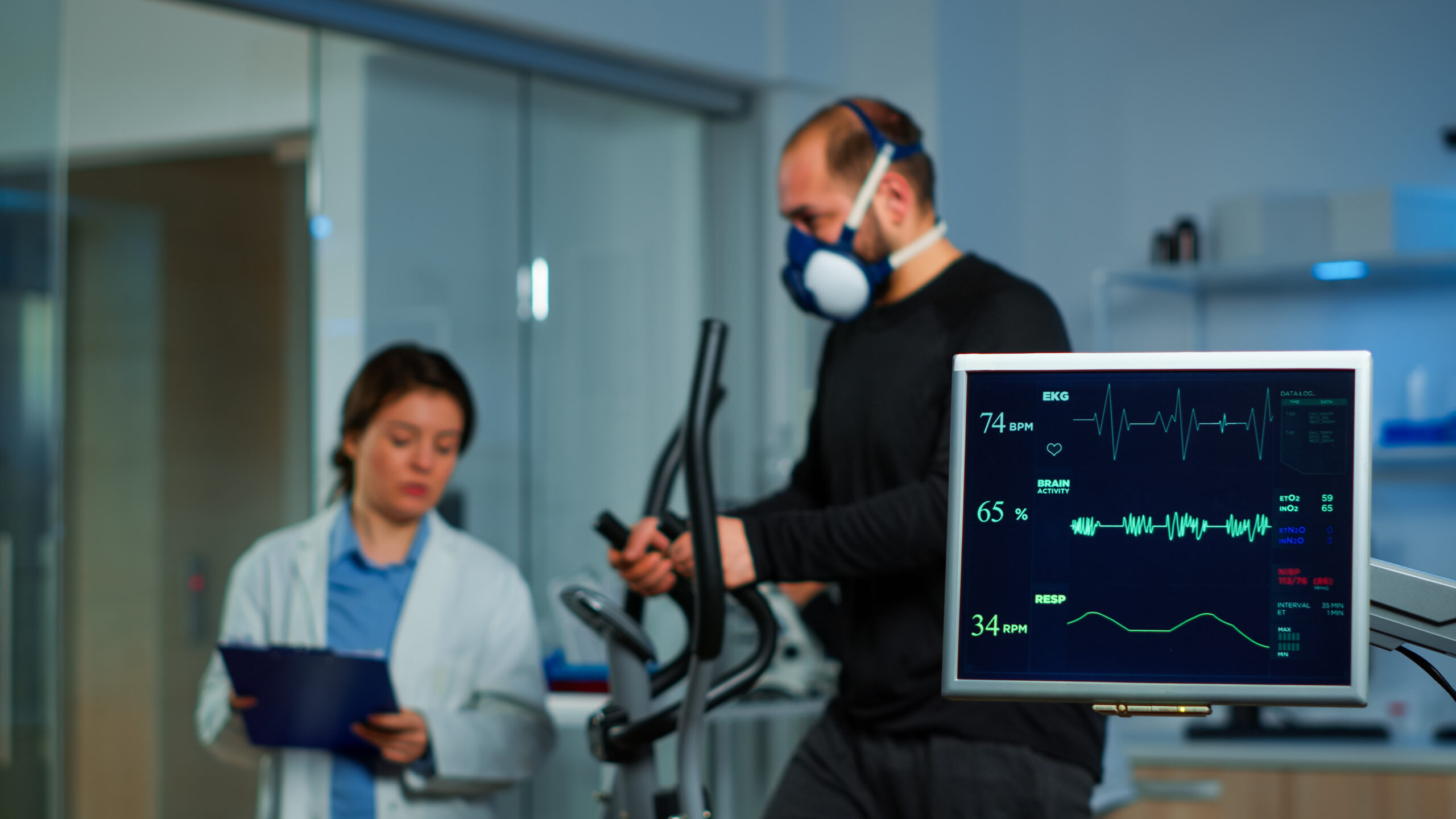
In today’s fast-evolving healthcare landscape, real-time patient monitoring has become more crucial than ever. Whether in an intensive care unit (ICU) or at home under remote care, clinicians need accurate, timely information to intervene at the right moment. Enter computer vision—a transformative force bringing a new layer of intelligence and automation to patient monitoring. Computer vision, a field within artificial intelligence (AI), enables machines to process, interpret, and respond to visual data. When applied in healthcare settings like ICUs and remote patient care, it goes far beyond surveillance—it becomes a proactive partner in saving lives. This article dives deep into how computer vision is revolutionizing patient monitoring across critical care environments and remote settings, the challenges it addresses, real-world applications, and what the future holds.
The Need for Enhanced Patient Monitoring
Patient monitoring is fundamental to medical care, particularly in high-acuity settings like ICUs, where even a few seconds of delay can be life-threatening. Traditional monitoring systems, while effective in measuring vitals like heart rate and oxygen levels, often rely on static thresholds, miss non-verbal signs of distress, and require manual intervention for alerts or interpretation. In remote care, these limitations are even more pronounced. Patients recovering from surgery, managing chronic illnesses, or undergoing post-acute care at home may lack direct supervision. In both settings, human oversight has limitations in scalability, speed, and consistency. This is where computer vision steps in to fill the gaps—by “seeing” and understanding patient behavior and physical changes in real time, it brings a level of proactive care that was once unimaginable.
How Computer Vision Works in Healthcare Monitoring
At its core, computer vision leverages cameras and visual sensors to collect data. Machine learning models then analyze this input to detect specific patterns, behaviors, or changes. In patient monitoring, this process involves image acquisition via in-room or wearable cameras, real-time video analysis using deep learning algorithms, pattern recognition for behavior, posture, movement, facial expressions, or skin color, and triggering alerts or responses when abnormalities are detected. These systems can operate 24/7, capturing subtle cues that a human eye might miss—such as micro-movements, breathing patterns, or facial grimaces suggesting pain.
ICU Monitoring: A Smarter Set of Eyes
ICUs are designed for the highest level of patient care, yet even in these controlled environments, critical events can be missed due to staff fatigue, information overload, or human error. Computer vision solutions in ICUs can detect patient movements indicating agitation, seizures, or falls, monitor facial expressions to assess pain levels or consciousness, track posture changes to prevent pressure ulcers or bedsores, and ensure adherence to medical protocols, like ventilator positioning or central line handling. For example, systems like Pose Estimation AI track skeletal alignment to identify whether a patient is repositioned adequately. Similarly, skin color tracking algorithms can detect cyanosis (bluish discoloration due to low oxygen) much earlier than traditional pulse oximeters. Moreover, CV systems can analyze multiple patients simultaneously and prioritize alerts based on risk levels, improving nurse workload distribution and response efficiency.
Reducing ICU-Acquired Complications
One significant benefit of real-time visual monitoring is the prevention of complications that develop due to prolonged immobility or device misuse. Common ICU risks include delirium from prolonged sedation, accidental extubation, catheter dislodgement, and hospital-acquired infections (HAIs). Computer vision can analyze behavior patterns to flag anomalies early. For instance, repetitive limb movement could indicate impending agitation, prompting timely sedation adjustments. Likewise, CV systems can verify whether a patient is wearing oxygen masks correctly or if lines and tubes are intact.
Hygiene Compliance and Staff Monitoring
Patient safety isn’t limited to the patient alone—healthcare workers’ hygiene and procedural compliance play a huge role. Vision-based systems can track hand hygiene compliance using thermal and visible light cameras, monitor the use of PPE (Personal Protective Equipment), and ensure that sterile zones aren’t breached. By automating these checks, computer vision minimizes the risk of human oversight, ensuring that best practices are followed consistently without the need for constant manual supervision.
Remote Patient Monitoring: Bringing ICU Intelligence to the Home
Beyond hospitals, remote patient monitoring (RPM) has emerged as a critical solution for patients with chronic conditions, post-operative care needs, and even mental health concerns. While wearable devices track physiological parameters like heart rate or glucose levels, they fall short in interpreting behavior. Computer vision fills this void by enabling fall detection through posture and motion tracking, sleep quality monitoring by observing body movement patterns, medication adherence monitoring by tracking pill intake or inhaler use, and daily activity tracking such as walking, eating, and exercising. AI models embedded in home cameras or smartphones can flag concerning patterns, like reduced mobility or increased sedentary behavior, which may indicate deterioration.
Supporting Elderly and Chronic Care Populations
The aging population and rise in chronic illnesses demand scalable care models. Computer vision is particularly well-suited for elderly patients, who are more prone to falls, missed medication, cognitive decline, and isolation and depression. Computer vision systems can assist caregivers by sending alerts when anomalies are detected—like an elderly patient not getting out of bed or showing signs of distress. Combined with other sensors (e.g., temperature, heart rate), this creates a comprehensive patient health profile.
Mental Health and Behavioral Monitoring
Mental health is another area where computer vision is gaining traction. Subtle facial expressions, eye movement, and posture can all provide insights into a patient’s emotional state. In telepsychiatry or virtual therapy, CV tools can analyze micro-expressions to detect stress or depression, monitor eye contact and engagement levels, and identify signs of anxiety or cognitive disorders through behavior tracking. These observations can support clinicians in making more informed decisions and provide early warnings for relapse or crises.
Case Study: AI in the ICU—Johns Hopkins Hospital
At Johns Hopkins, computer vision is being used to reduce complications in ICU patients. Their “Project Emerge” initiative uses computer vision and sensors to track sedation levels, monitor mobility for pressure injury prevention, and identify communication barriers. This system integrates data from monitors, electronic health records, and video analysis, offering clinicians a real-time, holistic view of the patient. The result? Improved communication, earlier intervention, and lower ICU-associated complications.
Overcoming Privacy and Ethical Challenges
While the advantages of computer vision in patient monitoring are compelling, they also raise serious privacy and ethical concerns: patient consent, data security, and algorithmic bias. Capturing continuous video in private settings like homes or ICUs demands clear, informed consent. Visual data must be encrypted and securely stored to prevent breaches. Algorithms must be trained on diverse data to avoid unequal performance across different demographics. To mitigate these concerns, developers are focusing on edge computing (processing data locally on devices) and anonymization techniques (like blurring faces) while maintaining functionality.
Integration with Hospital Systems and EHRs
To truly add value, computer vision systems must integrate seamlessly with existing electronic health records (EHRs) and hospital information systems. When alerts and analytics feed directly into clinician workflows, it prevents alert fatigue and ensures meaningful use. Some advanced platforms even include voice interfaces, enabling nurses or doctors to ask for visual insights—like “show last 10 minutes of patient movement” or “alert if patient tries to leave bed again.”
The Future: Predictive Care and Ambient Intelligence
As computer vision evolves, the focus is shifting from reactive alerts to predictive care. By analyzing patterns over time, these systems could predict sepsis before physiological signs emerge, risk of readmission after discharge, or behavioral indicators of a depressive episode. We’re also moving toward the idea of ambient intelligence—an environment where all devices (cameras, sensors, AI) work together silently and unobtrusively to support human health. In such settings, the role of human clinicians becomes more strategic and less task-oriented.
Conclusion: The Expanding Role of Computer Vision in Healthcare
From ICU bedsides to living rooms, computer vision is redefining how we monitor patients. It transforms raw video into actionable insights, allowing clinicians to respond faster, smarter, and more accurately. Whether preventing pressure injuries in critical care or helping elderly patients stay safe at home, this technology is a powerful tool in delivering proactive, personalized care. And yet, this is only the beginning. As integration deepens and algorithms improve, we’ll see computer vision not as a support tool, but as a central element of modern medicine. It brings us one step closer to truly intelligent healthcare environments—where patients are safer, caregivers are empowered, and care is continuous rather than episodic. In the broader picture, this advancement showcases the rapidly growing potential of computer vision in healthcare—a technology not just watching, but actively caring.