
7 Reasons Permanent Tooth Replacements Restore Confidence and Function
Missing teeth can affect much more than appearance. They can influence the way you eat, speak, smile and even how...
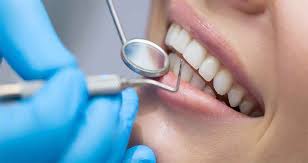
Missing teeth can affect much more than appearance. They can influence the way you eat, speak, smile and even how confident you feel in social situations. For many people, replacing missing teeth is not simply about aesthetics. It is about restoring comfort, function and quality of life.
Permanent tooth replacement options have become increasingly advanced, offering solutions designed to feel secure and natural. For those exploring long-term options, understanding the wider benefits can make the decision much clearer.
1. They Help Restore Confidence in Your Smile
A missing tooth can make some people hesitant to smile, laugh or speak openly. Even a single gap can affect self-esteem in everyday situations, from work meetings to social events.
Permanent replacements can restore a more complete smile and often help people feel more comfortable again. That renewed confidence can have a surprisingly positive effect in both personal and professional settings.
Feeling good about your smile often goes hand in hand with feeling more like yourself.
2. They Improve Everyday Chewing and Comfort
Missing teeth can make eating less enjoyable than it should be. Certain foods may become difficult to chew, and some people start avoiding their favourites altogether.
Permanent tooth replacements can help restore bite strength and improve comfort while eating. This often makes everyday meals easier and more enjoyable.
For many patients exploring dental implants UK options, function is just as important as appearance. Restoring the ability to chew comfortably can make a meaningful difference to daily life.
3. They Can Help Support Jaw Health
When a tooth is missing, the jawbone in that area can begin to lose density over time. This is one reason missing teeth can affect facial structure as well as oral health.
Some long-term replacement options help support the bone and maintain oral structure. This can contribute to both function and facial support over time.
Protecting the foundation beneath the smile is often an overlooked benefit of permanent replacement solutions.
4. They Can Feel More Secure Than Temporary Alternatives
One reason many people prefer permanent solutions is stability. Options designed to stay securely in place can feel more natural during speaking, chewing and day-to-day activities.
That sense of security often makes a major difference in confidence and comfort. Rather than worrying about movement or fit, patients can focus on living normally.
For many, that reliability is one of the biggest advantages.
5. Bone Grafting Dental Implants Can Support Stronger Foundations
Some patients may need additional support before implant treatment can proceed, particularly where bone volume has reduced. In these situations, bone grafting dental implants procedures may help rebuild a stronger foundation.
This can open up treatment possibilities for patients who may have assumed implants were not an option.
Building the right support beneath the implant often contributes to better long-term stability and successful outcomes. It is one reason modern restorative dentistry can help more patients than ever before.
6. They Can Be a Long-Term Investment in Oral Health
While many people first think about appearance, permanent tooth replacement can also be a practical long-term decision.
Replacing missing teeth may help prevent neighbouring teeth from shifting and support a healthier bite. In some cases, it can reduce the risk of additional complications developing later.
Patients researching dental implants UK solutions often value the combination of durability, function and long-term support these options may provide.
Sometimes investing in a lasting solution now can help avoid more extensive concerns later.
7. They Help Restore Everyday Quality of Life
One of the biggest benefits is often not a single feature but the overall impact on daily life.
Being able to eat comfortably, smile naturally and speak with confidence can change how people feel day to day. Small moments often matter most.
For many patients, restoring a missing tooth is not just dental treatment. It is regaining normality.
When Extra Preparation Can Improve Outcomes
Not every patient begins treatment with the same needs. Some may require preparatory procedures before moving ahead with implants.
In certain cases, bone grafting dental implants treatment can support areas where additional bone structure is needed. While that may sound daunting, it can play an important role in making long-term restorative treatment possible.
A personalised assessment helps determine what approach is most suitable.
Permanent Solutions Can Restore More Than Teeth
Replacing missing teeth is often about much more than filling a gap. It can restore confidence, improve oral function and support long-term health.
With modern options available, many patients have more choices than they realise. Whether exploring implant treatment or discussing whether preparatory procedures may be needed, seeking advice can help clarify the right next step.
The right tooth replacement solution can restore far more than a smile. It can restore comfort, confidence and quality of life.
FAQs
1. Why do people choose permanent tooth replacements?
Many choose them to restore appearance, chewing function, comfort and long-term confidence.
2. Are dental implants designed for UK patients to feel natural?
Yes, many patients value implants because they can offer a secure and natural-feeling replacement option.
3. What is bone grafting dental implants treatment?
It is a procedure used to support or rebuild bone where needed before implant placement.
4. Can missing teeth affect oral health beyond appearance?
Yes, they can affect bite alignment, chewing function and even jawbone support over time.
5. How do I know if implants may be suitable for me?
A consultation with a dentist can help assess your oral health and whether implant treatment may be appropriate.