
How Invisalign Braces Treatment Works Step-by-step and What To Expect During Treatment
If the idea of straightening your teeth makes you think of metal wires, bulky brackets, and years of discomfort, it...
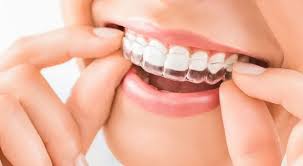
If the idea of straightening your teeth makes you think of metal wires, bulky brackets, and years of discomfort, it is time to think again. Invisalign is a modern orthodontic treatment that uses a series of clear, removable plastic trays , called aligners , to gradually move your teeth into the right position. There are no metal parts whatsoever.
The aligners are smooth, nearly invisible when worn, and you can take them out to eat and brush your teeth. At Manningtree Dental and Implant Centre in Essex, we offer Invisalign as a discreet, comfortable alternative to traditional braces for both teenagers and adults. Here is exactly how the whole process works, from your very first appointment to the end of treatment.
What exactly is Invisalign and how is it different from metal braces?
Traditional metal braces are fixed onto your teeth and cannot be removed until treatment is finished. They work by using wires and brackets to push and pull teeth into position over time. Invisalign braces works on the same basic principle , moving teeth gradually , but the method is completely different. Instead of fixed brackets, you wear a series of custom-made clear plastic trays. Each tray is worn for about two weeks before you swap to the next one in the series. Every new tray is slightly different from the last, nudging your teeth a tiny bit further towards their final position. Because the trays are made from smooth, clear plastic and fit closely over your teeth, most people around you simply will not notice you are wearing them at all.
What problems can Invisalign treat?
Invisalign is not just for mildly wonky teeth. It can treat a surprisingly wide range of orthodontic concerns. These include crowded teeth, where there is not enough space in the mouth and teeth overlap each other. It can close gaps between teeth, correct overbites where the upper teeth sit too far forward, fix underbites where the lower teeth sit in front of the upper ones, and address crossbites too. It works for both teenagers and adults. More complex cases may still be better suited to fixed braces, and your dentist at Manningtree Dental will always be honest with you about which option will actually give you the best result for your specific situation.
Step 1 Your first consultation at Manningtree Dental
The process starts with a proper consultation at Manningtree Dental and Implant Centre on the High Street in Manningtree. Your dentist will examine your teeth carefully, talk through what you would like to change, and assess whether Invisalign is the right treatment for you. This is a no-pressure appointment. If you are not quite ready to come in, you can also book a free telephone consultation first to ask questions and get a feel for things before committing to anything. If Invisalign is a good fit, your dentist will explain the full treatment plan, the expected timeline, and the cost before you make any decisions.
Step 2 Digital scans and your personalised treatment plan
Once you decide to go ahead, your dentist takes detailed digital impressions of your teeth using a small handheld scanner. There is no messy putty or uncomfortable moulding material involved. The scanner builds a precise 3D image of your mouth in just a few minutes. This image is used to create your full treatment plan digitally. Mapping out exactly how each tooth needs to move and in what order. One of the most exciting parts of this step? You can actually see a simulation of what your teeth will look like at the end of treatment. That also before your aligners are even made. It gives you a clear picture of the result you are working towards.
Step 3 , Your custom Invisalign aligners are produced
Based on your 3D scan and your agreed treatment plan, a full series of Invisalign aligners is produced. It is made specifically for your teeth. Every single tray in the series is custom-shaped to your mouth and designed to create a precise amount of movement at each stage. No two patients have the same set of aligners. When they are ready, you come into Manningtree Dental to collect them. Your dentist walks you through exactly how to wear them, how to care for them. And, what to expect in the first few days. Most patients notice a small amount of pressure when they first put in a new tray. This is completely normal , it is simply the aligner beginning to do its job.
Step 4 Wearing your aligners day to day
This is the step where your consistency makes all the difference. Invisalign aligners need to be worn for 22 hours every single day to work properly. You take them out to eat, to drink anything other than plain water. And, to brush and floss your teeth , then they go straight back in. Every two weeks you move on to the next tray in your series, and your teeth shift gradually with each change. Because each tray only moves your teeth by a small amount, the process is much more comfortable than most people expect. The more disciplined you are about wearing them, the closer your results will be to what you saw in that initial simulation.
Step 5 Check-up appointments along the way
You will not be left to get on with it alone. Throughout your Invisalign treatment at Essex Dental Clinic, you will come in for check-up appointments every six to eight weeks. These visits allow your dentist to check that your teeth are moving as planned. Plus, that your aligners are fitting well, and that there are no issues to address. They are usually fairly quick appointments and give you a chance to raise any questions or concerns as treatment progresses. If your teeth are responding particularly well, your dentist may also reassess the plan and adjust accordingly. Most patients find these regular touchpoints reassuring, especially in the early stages of treatment.
What happens after Invisalign treatment is finished?
When you reach the final aligner in your series, your teeth will have moved into their new positions , but the job is not quite done. Teeth have a natural tendency to drift back towards where they came from, especially in the months right after treatment ends.
To prevent this, your dentist will recommend wearing a retainer. A retainer is a thin, discreet device , often worn just at night , that holds your teeth in their new position while everything settles. Keeping up with your regular dental check-ups at Manningtree Dental after treatment also helps ensure your smile stays exactly where it should be. With good aftercare, results from Invisalign can last well.