
How Event Platforms Are Adapting to Global AI Regulations in 2026?
Artificial intelligence has become a central part of event platforms. It manages registration, personalizes experiences, and supports organizers in once...
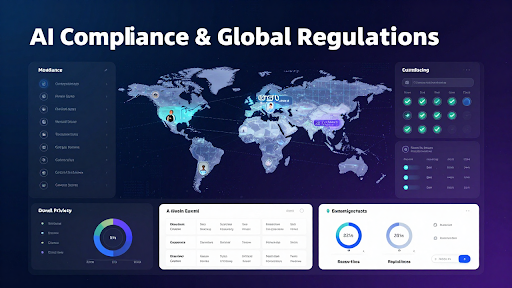
Artificial intelligence has become a central part of event platforms. It manages registration, personalizes experiences, and supports organizers in once impossible ways. Yet, as AI grows, so do the rules that guide its use. In 2026, global regulations are shaping how event platforms operate. These rules are not only about technology but also about trust, fairness, and responsibility.
The Rise of AI Compliance in Event Platforms
Event platforms are now expected to follow strict standards. AI compliance in event platforms is no longer optional. It is a requirement that touches every part of the system. Compliance means that the software must respect laws about data use, transparency, and accountability.
Some platforms are building clear policies that explain how AI decisions are made. Others are adding tools that allow users to see why a recommendation was given. This shift is not only about following the law. It is also about showing participants that their information is handled with care.
Data Privacy for Event Registration AI
Registration is often the first step in an event. It is also the moment when sensitive information is shared. Data privacy for event registration AI has become a major focus. Platforms must ensure that names, emails, and preferences are stored safely.
In 2026, many systems are designed to limit how much data is collected. Instead of gathering every detail, they focus only on what is necessary. Encryption and secure storage are now standard. Some platforms even allow participants to control how their data is used after the event ends.
This approach builds confidence. Attendees feel more comfortable when they know their personal details are not exposed or misused.
AI Governance in Event Software
Rules are not only about privacy. They also cover how AI makes decisions. AI governance in event software is about setting boundaries. It ensures that algorithms do not act in ways that are unfair or biased.
Governance often includes regular audits. These audits check if the AI is working as intended. They also look for patterns that may harm certain groups of users. Platforms are creating committees or teams that oversee these checks. The goal is to keep AI aligned with ethical standards.
Governance also means that event organizers can explain AI behavior. If a participant asks why they were matched with a certain session, there should be a clear answer. Transparency is now part of the design.
Balancing Innovation and Regulation
Event platforms are built to be creative. They aim to make experiences smooth and engaging. Yet, regulations demand caution. The balance between innovation and compliance is delicate.
Some platforms are slowing down the release of new features until they are sure those features meet global standards. Others are redesigning old systems to fit new rules. This process takes time, but it prevents problems later.
The challenge is to keep events exciting while respecting the boundaries set by law. Platforms that succeed in this balance will gain trust and loyalty from users.
Global Standards and Local Differences
AI regulations are not the same everywhere. Some regions focus heavily on privacy. Others emphasize fairness or transparency. Event platforms must adapt to these differences.
For example, a platform that operates across multiple countries may need separate compliance systems. One set of rules for one region, another set for another. This adds complexity, but it also shows respect for local values.
Global standards are slowly forming, but local differences remain strong. Platforms that can adjust quickly will stay ahead.
The Human Side of AI Compliance
Technology is only part of the story. People are the ones who design, monitor, and use AI. Event platforms are investing in training for staff. They want employees to understand both the technical and ethical sides of AI.
This training helps staff respond to questions from participants. It also prepares them to handle issues if something goes wrong. Human oversight is a key part of compliance. AI may be powerful, but it still needs guidance.
Building Trust Through Transparency
Trust is the foundation of every event. Without it, participants may hesitate to share information or engage fully. Transparency is the way platforms build that trust.
Clear communication about how AI works is becoming common. Platforms explain what data is collected, how it is used, and why certain decisions are made. This openness reduces fear and increases confidence.
When participants feel informed, they are more likely to enjoy the event. They see AI not as a hidden force but as a helpful tool.
Looking Ahead
The future of event platforms will continue to be shaped by AI regulations. Compliance, privacy, and governance are not temporary trends. They are permanent parts of the system.
Platforms that embrace these rules will thrive. They will create safe, fair, and engaging experiences. Those who ignore them may struggle to gain trust.
AI is powerful, but power must be guided. Regulations provide that guidance. Event platforms in 2026 are learning to adapt, and in doing so, they are building stronger connections with their users.
Final Thoughts
Event platforms are not just about technology. They are about people, trust, and responsibility. AI compliance in event platforms ensures that innovation does not come at the cost of safety. Data privacy for event registration AI protects the details that matter most. AI governance in event software keeps systems fair and transparent.
Together, these elements form the foundation of modern event platforms. They show that progress and responsibility can exist side by side. In 2026, this balance is not only possible. It is essential.