
What’s the Secret to Getting a Cheap Retail Vending System?
Business owners, startups, local shops, and independent vendors increasingly seek retail systems that deliver reliability without high costs. The market...
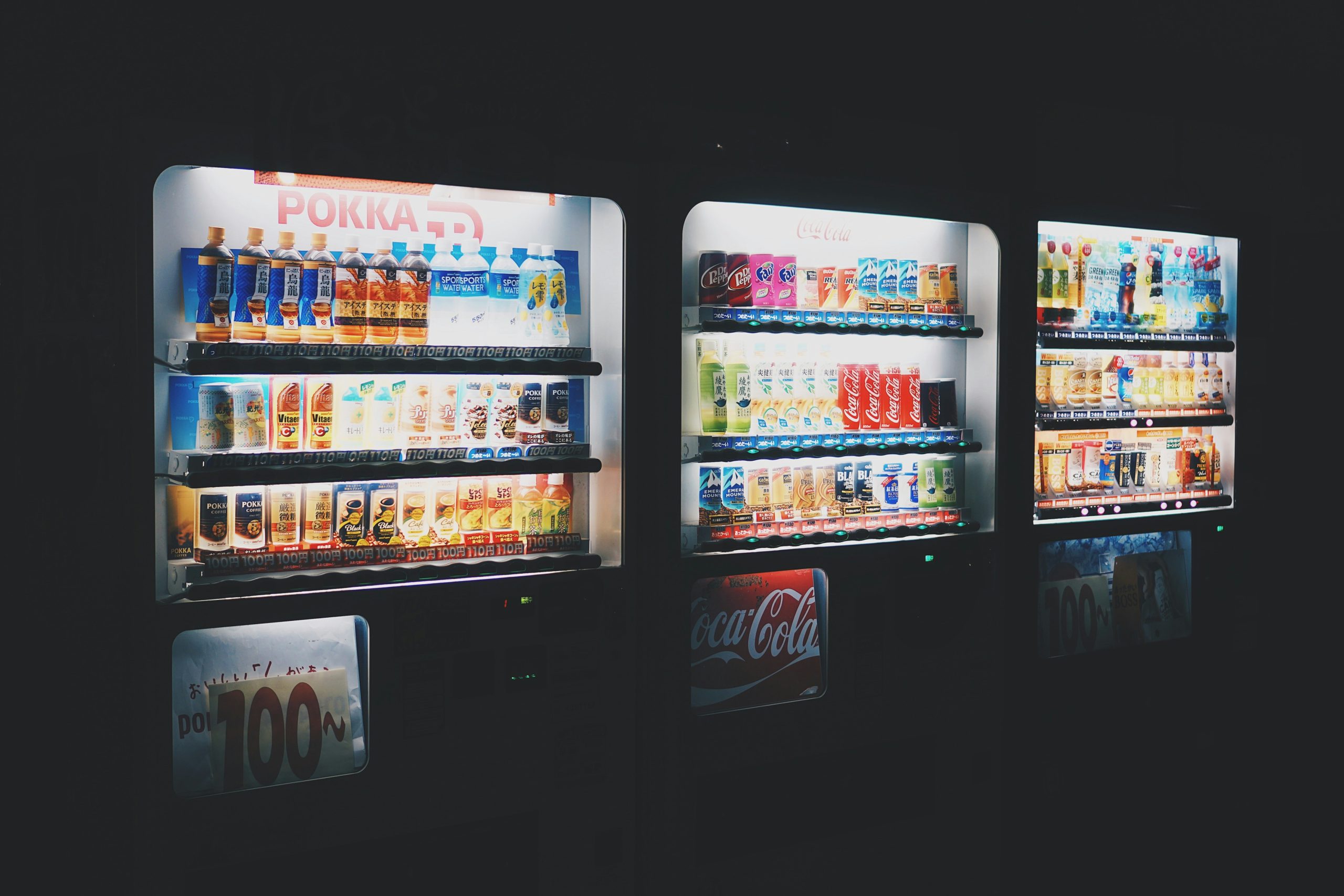
Business owners, startups, local shops, and independent vendors increasingly seek retail systems that deliver reliability without high costs. The market offers a variety of solutions for those looking to operate efficiently while keeping initial expenses low. Many buyers explore discounted models, refurbished machines, and regional suppliers to find practical options that meet their operational needs. Understanding different sources, evaluating deal quality, and recognizing essential system features simplifies the buying process. Selecting the right system is crucial for maintaining smooth operations and minimizing unexpected expenses. This guide explains the key strategies for acquiring affordable retail equipment, including affordable vending machines for sale north carolina, while ensuring durability and usability. Following these strategies, buyers can confidently choose cost-effective systems that support business growth.
Why Many Businesses Seek Budget-Friendly Retail Systems
Low-cost retail setups provide businesses with several advantages, starting with reduced startup expenses that allow new ventures to launch without large financial commitments. Compact and automated systems help streamline daily operations, reduce staff intervention, and maintain consistent service quality. Many small-scale operations benefit from low-maintenance units that operate reliably with minimal supervision. Industries such as retail kiosks, office breakrooms, and small hospitality locations rely on affordable solutions to meet demand efficiently. Budget-friendly systems also offer flexibility for expansion, enabling businesses to scale operations gradually without committing to expensive, high-capacity machines. This combination of cost savings, efficiency, and adaptability drives the demand for economical retail systems.
Key Features to Look For in a Low-Cost Retail System
Choosing a budget-friendly system does not mean compromising on functionality. Consider these essential features:
- Durable hardware suited for regular use – Ensures the system withstands daily operation and reduces repair frequency.
- Simple user interface for quick operation – Streamlines transactions and minimizes user errors.
- Payment system compatibility for cash and digital methods – Accommodates a variety of customer preferences and increases sales potential.
- Practical product capacity for daily demand – Prevents frequent restocking and avoids downtime.
- Energy-efficient components that help control utility costs – Lowers ongoing operational expenses and supports long-term savings.
Each feature directly impacts performance, customer experience, and overall value, making it easier to identify which systems truly provide cost-effective solutions without sacrificing reliability.
Where Buyers Commonly Find Cheap Retail Systems
Several sourcing channels exist for affordable retail equipment. Local wholesalers often provide competitive prices on bulk purchases. Equipment distributors offer refurbished or clearance units at reduced rates, with inspection opportunities that help buyers assess quality. Liquidation warehouses allow businesses to acquire machines from closing stores or overstocked inventories. Direct-from-business listings provide access to gently used systems sold by previous owners, sometimes including warranties or maintenance records. Comparing multiple sources ensures buyers understand market prices, verify machine condition, and select the best combination of cost and reliability. Smart comparison shopping reduces the risk of overpaying or receiving equipment in poor condition.
Common Types of Retail Systems Available at Lower Prices
Low-cost retail systems come in various forms suitable for different business environments. Small automated kiosks provide compact, self-service solutions for limited spaces. Combo systems for snacks and drinks combine multiple product types in one unit, maximizing revenue from single locations. Basic countertop retail devices support low-volume sales in offices or small shops. Mechanical coin-operated systems offer simple, durable functionality for cash transactions. Entry-level digital retail units integrate technology at an affordable price, appealing to businesses seeking modern features without large investments. Each type matches specific operational needs, customer traffic levels, and product offerings.
How to Make Sure a Deal Is Legitimate and Worthwhile
Securing a low-cost system requires verifying seller credibility and product condition. Consider these points:
- Availability of service records or refurbishment details – Confirms the system has been maintained or restored professionally.
- Accurate information about equipment age – Prevents surprises related to wear and performance.
- Clear warranty or return policy – Offers protection in case of malfunction or defects.
- Positive reviews or testimonials from other buyers – Indicates past satisfaction and reliable service.
- Access to replacement parts at reasonable prices – Ensures future repairs remain affordable.
Verification of these factors safeguards the buyer’s investment, reduces the likelihood of hidden costs, and ensures long-term system functionality.
What Price Ranges Typically Qualify as “Cheap” in This Market?
Affordable systems vary depending on type, brand, age, and included technology. Small, basic units often fall into the lower price brackets, while larger combo or digital machines command higher costs even when discounted. Refurbished systems typically cost less than new machines but maintain comparable functionality, making them ideal for budget-conscious buyers. Awareness of typical pricing brackets helps businesses recognize genuine bargains and avoid overpaying. Evaluating features alongside cost allows buyers to make informed decisions that balance initial investment and long-term value.
Why Maintenance Planning Contributes to Long-Term Savings
Consistent maintenance routines play a critical role in extending the life of any retail system. Regular cleaning, replacement of worn parts, inspection of payment mechanisms, and checks on refrigeration or cooling components help prevent major breakdowns. Proactive upkeep ensures systems operate efficiently, reduces downtime, and minimizes costly emergency repairs. Over time, maintenance planning improves performance, maintains customer satisfaction, and protects the initial cost savings associated with budget-friendly equipment.
Best Setup Practices for Newly Purchased Retail Systems
Proper setup maximizes both sales potential and customer convenience. Selecting a visible location increases foot traffic and interaction with the system. Ensuring reliable power connections and appropriate electrical support prevents technical issues. Organizing products logically improves the customer experience and simplifies restocking. Testing early sales performance helps identify operational adjustments and optimizes machine efficiency. Effective setup enhances usability, supports business objectives, and reinforces the value of the investment.
Conclusion
Acquiring a cheap retail system requires careful research, feature comparison, seller evaluation, and long-term maintenance planning. Understanding the market, knowing which features matter most, and verifying the legitimacy of deals helps businesses secure reliable, budget-friendly equipment. By balancing affordability with performance and maintaining systems appropriately, buyers can support sustainable growth while minimizing unnecessary expenses. Following these strategies ensures businesses select retail systems that meet operational needs and deliver consistent value over time.
FAQs
What features matter most in a low-cost retail system?
Durable hardware, simple interface, payment compatibility, practical capacity, and energy efficiency ensure performance and long-term value.
Where can businesses find affordable retail systems?
Options include local wholesalers, equipment distributors, liquidation warehouses, refurbished product centers, and direct-from-business listings.
How can buyers verify the quality of a discounted system?
Checking service records, equipment age, warranty options, reviews, and availability of replacement parts helps confirm legitimacy and reliability.
What is a typical price range for cheap retail machines?
Prices vary by type, brand, age, and included technology, with refurbished and entry-level new systems offering the best value.