
Why Should Farmers Prioritize Reliable Seed Processing?
Seed quality is the foundation of successful farming, and the way seeds are handled can make or break a harvest....
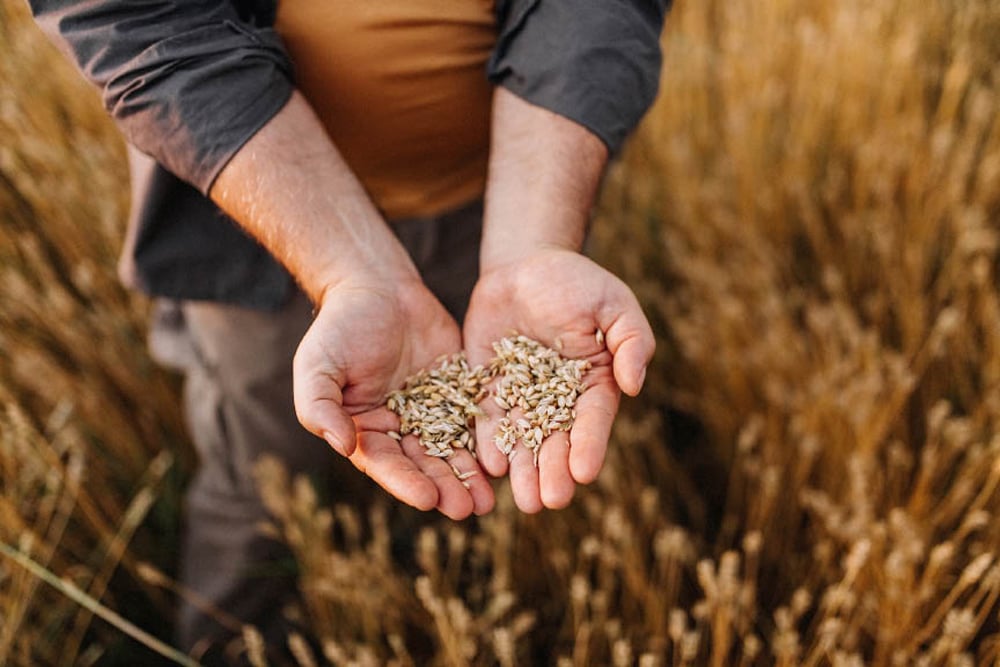
Seed quality is the foundation of successful farming, and the way seeds are handled can make or break a harvest. A custom seed processing company in USA plays a vital role in ensuring that farmers receive clean, healthy, and certified seeds ready for planting. By focusing on reliable seed processing, farmers can improve crop yields, enhance efficiency, and secure long-term sustainability for their agricultural practices.
Importance of Reliable Seed Processing
Ensuring High Germination Rates
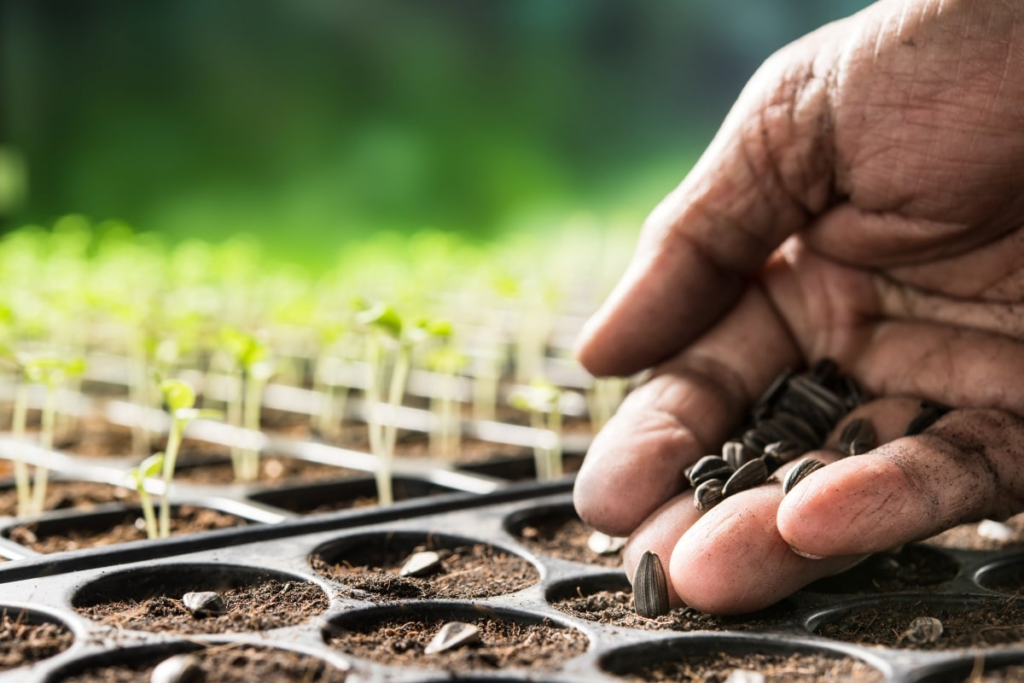
One of the main advantages of seed processing is the improvement in germination performance. Poorly processed seeds often include damaged, immature, or diseased seeds that lower germination rates. By removing these weak or contaminated seeds, farmers are left with stronger, viable seeds that have a higher chance of sprouting successfully.
- Increased establishment success: When most of the seeds planted germinate, fields achieve uniform growth, making it easier to manage crops.
- Better stand uniformity: Consistent plant spacing reduces competition for water and nutrients, ensuring healthier development.
- Reduced risk of crop failure: By eliminating low-quality seeds, farmers minimize wasted effort and maximize the return on their seed investment.
Enhancing Crop Quality and Yield
Reliable seed processing ensures that farmers start with the highest-quality planting material. Clean, treated, and graded seeds are proven to produce stronger, more vigorous plants. This directly influences both the quality and quantity of the harvest.
- Healthier plants: Seeds free from debris, weed seeds, or foreign matter grow without unnecessary competition.
- Higher yields: When only the best-performing seeds are planted, farmers can expect greater output per acre.
- Market-ready produce: Crops grown from quality seeds often meet higher market standards, leading to better selling prices.
Reducing Risks of Disease and Contamination
Another major benefit of reliable seed processing is the protection it offers against seed-borne diseases and contamination. Seeds that are not properly processed can carry pathogens or weed seeds, which threaten the entire crop.
- Impurity removal: Processing equipment removes broken, diseased, or contaminated seeds before they reach the soil.
- Disease prevention: Treated seeds are coated with protective solutions that safeguard against fungi, bacteria, and soil-borne pests.
- Long-term protection: Healthy, disease-free seeds contribute to stronger crop resilience and reduce the need for costly chemical treatments later in the season.
Role of Technology in Seed Processing

Advanced Cleaning and Sorting Equipment
One of the most significant innovations in seed processing is the use of precision cleaning and sorting technology. These machines are designed to detect and remove impurities such as broken seeds, stones, dust, and weed seeds. By doing so, they ensure that only the strongest and most viable seeds make it to the field.
- High-quality seed selection: Advanced optical sorters and graders can identify defects that are invisible to the human eye, ensuring that only premium seeds are chosen.
- Consistency and uniformity: Automation guarantees that each batch of seeds is processed under the same standards, giving farmers reliable results.
- Reduced errors and costs: With minimal manual handling, human error is greatly reduced, lowering labor expenses and saving valuable time.
Seed Treatment and Coating Benefits
Beyond cleaning and sorting, modern technology allows for seed treatment and coating, which provide a layer of protection and efficiency for farmers. These treatments are applied with precision equipment to ensure that every seed receives the right amount of coating.
- Protection against threats: Treated seeds are shielded from pests, fungi, and harmful soil-borne diseases, reducing the need for chemical sprays later in the crop cycle.
- Improved handling and sowing: Seed coatings make seeds smoother and more uniform in size, which helps planting equipment perform better and increases sowing accuracy.
- Resilience in harsh conditions: Coated seeds can withstand stress from drought, temperature fluctuations, and other environmental challenges, leading to stronger crop establishment.
Common Mistakes Farmers Make with Seeds
Using Uncertified or Low-Quality Seeds
While uncertified or cheaper seeds may seem like a cost-saving option, they often come with hidden risks. These seeds are more likely to be mixed with impurities, have lower germination rates, and carry diseases that threaten the crop.
- Inconsistent growth and poor harvests: Uncertified seeds may not be genetically stable, leading to uneven plant development and lower yields.
- Greater vulnerability to pests and diseases: Seeds that have not been treated or certified lack protection, leaving crops exposed to harmful pathogens and infestations.
- Higher long-term costs: Savings made on cheap seeds are often lost when farmers face reduced productivity and increased disease management expenses.
Ignoring Laboratory Testing and Certification
Seed testing and certification are critical for ensuring quality and viability. Yet, some farmers overlook this step and risk planting seeds that are impure or unsuitable for their soil and climate.
- Assurance of genetic purity: Testing verifies that seeds are true to their variety, maintaining crop consistency and quality.
- Confirmation of viability: Certified seeds are tested for germination rates, ensuring that farmers plant seeds with the highest potential for success.
- Foundation for long-term profitability: Investing in tested and certified seeds reduces risks, leading to stronger, healthier crops and reliable harvests year after year.
Long-Term Benefits of Professional Seed Processing
Choosing professional seed processing is not just about short-term success—it’s a strategy for building sustainable farming practices. Farmers who consistently use high-quality, processed seeds enjoy stronger harvests and greater resilience against challenges.
- Higher returns on investment: Reliable seeds produce higher yields, giving farmers more value for every dollar spent.
- Stronger, more resilient crops: Professionally processed seeds are better prepared to handle pests, diseases, and harsh weather conditions.
- Adaptability to market and climate changes: With access to certified, tested, and hybrid varieties, farmers can quickly adapt to shifting demands and environmental pressures.
Conclusion
Seed processing is not just an additional step in farming—it is the foundation of agricultural success. From ensuring high germination rates to protecting against diseases and improving yields, reliable seed processing directly impacts both short-term results and long-term profitability. Farmers who overlook this crucial step often face poor harvests, increased risks, and greater production costs. By investing in reliable seed sources and modern processing technology, farmers secure healthier crops, stronger yields, and better resilience against changing environmental and market conditions. In today’s competitive agricultural landscape, prioritizing professional seed processing is no longer optional—it’s non-negotiable for sustainable and profitable farming.
FAQs
1. Why is seed processing important for farmers?
Seed processing improves germination, ensures purity, removes impurities, and protects against diseases, leading to higher yields and healthier crops.
2. How does seed processing increase crop yield?
By selecting only high-quality seeds and removing weak or contaminated ones, farmers achieve stronger plant establishment and more consistent harvests.
3. What is the difference between certified and uncertified seeds?
Certified seeds are tested for purity, quality, and germination rates, while uncertified seeds may contain impurities, diseases, and have lower success rates.
4. How does seed treatment protect crops?
Seed treatment coats seeds with protective layers against fungi, pests, and soil-borne diseases, ensuring early-stage crop protection and stronger growth.
5. What technologies are used in modern seed processing?
Advanced seed processing uses cleaning machines, optical sorters, automated grading systems, and coating equipment to deliver uniform, healthy seeds ready for planting.