
Why Irish Publishers Are Clamoring for These Writing Techniques
The Irish publishing ecosystem is experiencing a dynamic renaissance. From world-renowned literary presses in Dublin to boutique regional publishing houses,...
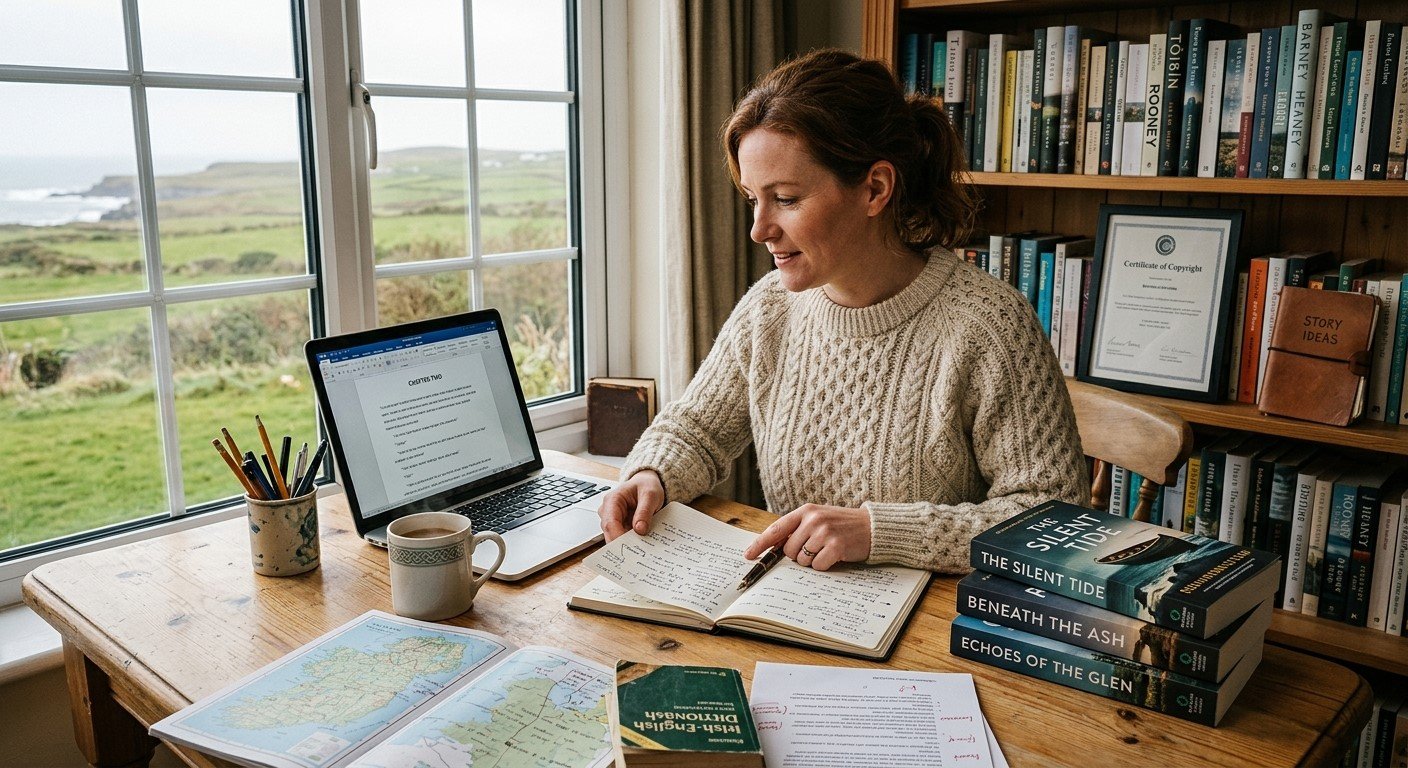
The Irish publishing ecosystem is experiencing a dynamic renaissance. From world-renowned literary presses in Dublin to boutique regional publishing houses, the demand for compelling, finely crafted stories is higher than ever. However, acquiring editors at major houses routinely review thousands of submissions each year, rejecting up to 98% of manuscripts. To break through the noise, your manuscript needs more than just a good premise—it requires structural discipline, authentic voice, and market readiness.
Whether you are seeking a traditional contract or preparing your manuscript for direct-to-reader release, mastering specific storytelling and formatting techniques will instantly set your manuscript apart. In this guide, you will discover the exact writing techniques acquisition editors look for, alongside practical insights on leveraging modern ebook publishing services and amazon publishing services to build a global author platform.
1. Ground Universal Themes in Authentic Local Voice
Irish literary culture is celebrated worldwide for its rich cadence, sharp wit, and deep character development. However, one of the most common mistakes emerging authors make when targeting book publishing in Ireland is relying on exaggerated stereotypes or generic regional dialect.
- Capture Natural Rhythm: Reflect modern Irish dialogue through syntax, pacing, and subtle vernacular rather than phonetic spelling.
- Anchor Universal Core Themes: Pair local settings—whether a small village in West Cork or modern urban Dublin—with universal human struggles like identity, family dynamics, or resilience.
- Avoid Over-Exposition: Allow cultural nuances to unfold naturally through character interactions rather than long, explanatory passages.
2. Master the “Inciting Hook” in Chapter One
Traditional acquisitions editors and indie readers decide whether to continue reading within the first three pages. Manuscripts that spend several chapters setting up backstory before introducing conflict are frequently set aside.
Weak Opening (Heavy Exposition):
Siobhán had lived in Limerick all her life. Her grandfather had built the house in 1954 after returning from overseas…
Strong Opening (In Media Res):
The door to the solicitor’s office slammed shut, leaving Siobhán in the rain with a deed that didn’t bear her name.
To optimize your opening chapter:
- Introduce your protagonist’s primary internal or external conflict within the first 500 words.
- Establish immediate stakes so the reader understands what the main character stands to lose.
- Weave character background details into active dialogue and physical motion rather than static exposition blocks.
3. Balance “Show” and “Tell” with Sensory Precision
Acquisition readers actively look for evocative narrative prose. “Showing” creates emotional resonance, drawing readers into the story rather than merely describing events to them.
- Engage Multiple Senses: Describe textures, sounds, and ambient scents to make scenes feel tangible.
- Utilize Active Verbs: Replace passive sentence structures (was walking, had been running) with direct, high-impact verbs (strides, bolted).
- Use Subtext in Dialogue: In real life, people rarely state their exact feelings directly. Give your dialogue emotional depth by leaving space for unsaid tension.
4. Align Your Narrative Structure with High-Demand Genres
Irish readers and publishers continue to show strong demand across several primary categories. Aligning your structural techniques with genre expectations is critical.
| Genre | Key Narrative Requirement | Ideal Target Word Count |
| Crime & Psychological Thriller | Fast pacing, high-stakes twists, tight narrative tension | 75,000 – 90,000 words |
| Literary & Contemporary Fiction | Deep character psychology, strong voice, rich thematic depth | 80,000 – 95,000 words |
| Memoir & Personal Development | Clear thematic focus, emotional honesty, actionable universal takeaways | 60,000 – 80,000 words |
| Children’s & YA Literature | Fast narrative momentum, clear age-appropriate voice | 500 (Picture Books) to 75,000 (YA) words |
5. Prepare Your Manuscript for Multi-Platform Publishing
Modern publishing demands versatility. A manuscript formatted correctly from the start saves hundreds of hours during conversion to digital formats like Kindle or EPUB.
Structural Formatting Checklist
- Apply Standard Typography: Use standard fonts (Times New Roman, Arial, or Garamond at 12pt) with double line spacing.
- Utilize Styles for Paragraph Formatting: Use paragraph indentation settings rather than pressing the spacebar or tab key to indent lines.
- Set Up Clean Chapter Breaks: Insert explicit page breaks at the end of every chapter to prevent layout distortion across screen sizes.
Clean formatting ensures seamless integration when utilizing digital ebook publishing services or formatting print-ready interiors for physical production.
6. Combine Traditional Quality with Digital Reach
While landing a traditional contract remains a goal for many authors, self-publishing has evolved into a highly respected, profitable alternative. Modern independent authors utilise professional editorial standards alongside global distribution channels like amazon publishing services to launch their careers without waiting on traditional query cycles.
Manuscript Draft
Step 1: Structural & Developmental Editing
Step 2: Line Editing & Proofreading
Step 3: Professional Interior & Cover Layout
Step 4: Multi-Channel Launch
Print (Local Irish Printers & Global POD)
Digital (Kindle, Apple Books, Kobo via e-book publishing services)
By maintaining traditional editorial standards while retaining full rights, self-published authors gain maximum speed to market, complete creative control, and significantly higher royalty margins.
Frequently Asked Questions
What do Irish book publishers look for in a submission?
Irish publishers look for a polished manuscript with a distinct voice, a clear narrative arc, correct formatting, and strong commercial or literary appeal. A succinct query letter highlighting your book’s target demographic and comparative titles is also essential.
Do I need to live in Ireland to publish with an Irish publisher?
No. Many Irish publishers accept submissions from international authors, provided the manuscript fits their editorial focus and catalogue strategy.
What is the difference between traditional and self-publishing in Ireland?
In traditional publishing, the publisher pays for production, editing, and distribution in exchange for acquiring book rights and paying author royalties (typically 8% to 15%). In self-publishing, the author retains 100% of rights and higher royalties, covering initial editorial and production services independently.
How do ebook publishing services help independent authors?
Ebook publishing services Ensure your manuscript file is properly formatted into valid reflowable EPUB or MOBI formats, preventing layout errors across mobile devices, tablets, and dedicated e-readers like Kindle or Kobo.
Can I publish my book on Amazon while living in Ireland?
Yes. Authors in Ireland can distribute their books globally through amazon publishing services and Kindle Direct Publishing (KDP), making their titles available in print and digital formats to millions of international readers.
Conclusion
Understanding what acquisitions editors and modern readers expect is the most effective way to turn a draft into a published book. By sharpening your manuscript’s opening hook, refining dialogue, adhering to industry formatting standards, and understanding market expectations for book publishing in Ireland, you put your work in the best position for commercial success.
Whether you aim for a traditional contract or want to take charge of your author career through professional self-publishing, top-tier editorial and design support make all the difference. Reach out to Self Publishing Ireland today to access expert manuscript editing, cover design, and complete digital and print publishing support tailored to your goals.