Role of Advanced Diagnostics in Cancer Hospitals
Early and accurate detection is vital for effective treatment of cancer. In a cancer treatment hospital in Delhi, advanced diagnostic...
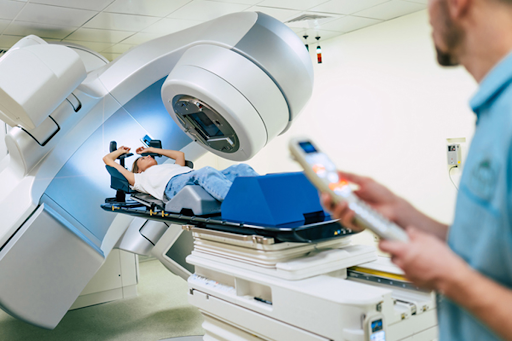
Early and accurate detection is vital for effective treatment of cancer. In a cancer treatment hospital in Delhi, advanced diagnostic tools help doctors precisely identify the type, stage, and location of cancer. These tests reduce the risk of misdiagnosis, prevent unnecessary procedures, and guide the selection of the most suitable therapy for each patient. Combining modern technology with clinical expertise, advanced diagnostics support timely, accurate decisions and improve overall treatment outcomes.
Essential Imaging Techniques for Cancer Care
Medical imaging is a critical component of cancer diagnosis and monitoring. It provides clear, detailed images of organs and tissues, helping doctors assess the extent of the disease and plan appropriate interventions. Imaging also assists in assessing treatment progress and guiding surgical procedures.
- MRI scans: Provide high-resolution images of soft tissues, including the brain and spinal cord, helping detect tumours that may not be visible through other methods.
- CT scans: Offer cross-sectional images of the body, enabling precise localisation and measurement of tumours.
- PET scans: Detect areas of increased metabolic activity, which often correspond to cancerous growths, helping identify even small or early-stage tumours.
- Ultrasound: Useful for visualising soft tissue structures and guiding needle biopsies safely and accurately.
Using these imaging methods together ensures doctors have a comprehensive understanding of a patient’s condition. This detailed information is essential for creating a personalised treatment plan and reducing the chances of unnecessary procedures.
Laboratory Tests in Cancer Diagnosis
Laboratory tests complement imaging by providing insights at the cellular and molecular levels. These tests allow clinicians to understand tumour characteristics and biology, which is crucial for selecting the most suitable treatments.
- Blood tests: Detect specific cancer markers and monitor overall health.
- Tissue biopsies: Confirm the presence, type, and stage of cancer through microscopic examination.
- Genetic tests: Identify mutations that may respond to targeted therapies, enabling personalised medicine.
By combining laboratory findings with imaging results, clinicians can develop a more precise treatment plan. Laboratory diagnostics also help predict how patients may respond to specific therapies, improving the effectiveness of interventions and reducing side effects.
Biomarker and Molecular Testing
Another important aspect of advanced diagnostics is biomarker and molecular testing. These tests analyse specific molecules, genes, and proteins within cancer cells to provide detailed information about the tumour’s behaviour. Understanding these factors allows doctors to select treatments that target the cancer more effectively.
- Identification of genetic mutations: Detect mutations that may make the tumour susceptible to targeted therapies.
- Assessment of protein markers: Determine how aggressively the cancer is likely to behave.
- Prediction of treatment response: Helps doctors choose therapies that have a higher likelihood of success.
Biomarker and molecular testing are particularly useful in cancers such as breast, lung, and colorectal cancer. They guide personalised treatment strategies, ensuring patients receive therapies that are most likely to be effective while minimising unnecessary side effects.
Early Detection and Continuous Monitoring
Advanced diagnostics are not only vital for initial detection but also for ongoing monitoring. Regular imaging and laboratory tests help track tumour progression, evaluate treatment effectiveness, and identify early recurrence. This continuous evaluation allows doctors to adjust therapies promptly, improving long-term outcomes and reducing the risk of complications.
Monitoring also provides valuable information about the disease’s behaviour over time. Understanding how cancers respond to treatment in real time ensures that therapy remains effective and supports better overall management. Patients benefit from knowing that their condition is closely monitored and that any changes are addressed promptly.
Impact on Patient Care and Recovery
Advanced diagnostics provide significant advantages for patients, both in terms of physical health and emotional well-being. Accurate detection and personalised treatment planning can greatly improve treatment success and reduce stress.
- Early detection: Significantly increases the chances of successful treatment and recovery.
- Accurate diagnosis: Reduces unnecessary procedures and potential complications.
- Targeted treatment: Therapies are more effective, less invasive, and tailored to individual needs.
- Continuous monitoring: Ensures timely adjustments to treatment, helping to maintain optimal health outcomes.
- Informed decision-making: Patients can understand their condition and actively participate in planning their care.
These advantages improve overall patient satisfaction and confidence, reinforcing the importance of advanced diagnostics in delivering high-quality cancer care.
Conclusion
Advanced diagnostics play a key role in modern cancer care. Imaging, laboratory tests, and biomarker analysis provide precise information for personalised treatment and continuous monitoring of tumour progression. Patients in a cancer treatment hospital in Delhi benefit from accurate diagnosis and treatment plans tailored to their needs, ensuring timely and appropriate care. Combined with clinical expertise, these tools improve treatment outcomes, enhance patient confidence, and support long-term health and well-being throughout the cancer care journey.