Motorcycle Safety Tips for Everyday and Long-Distance Riding
Motorcycles offer a unique combination of freedom, convenience, and excitement, but safe riding requires more than simply knowing how to...
Motorcycles offer a unique combination of freedom, convenience, and excitement, but safe riding requires more than simply knowing how to operate the controls. Whether you commute through busy city streets, take weekend rides through the countryside, or plan a long-distance motorcycle tour, good safety habits can make every trip more predictable and enjoyable. Resources such as motorcycle guides from BikerGuides can also help riders learn more about motorcycles, riding gear, maintenance, and practical ownership. The important thing is to develop habits that work in real traffic, changing weather, and unexpected road situations.
Start Every Ride With a Basic Motorcycle Safety Check
A few minutes of preparation can help identify problems before they become dangerous on the road. You do not need a complicated workshop inspection every time you ride, but several basic checks are worth making part of your routine.
Check the Tires Before You Ride
Motorcycle tires are one of the most important contact points between the bike and the road. Check that both tires have appropriate air pressure and look for obvious cuts, cracks, punctures, or unusual wear.
Incorrect tire pressure can affect handling, braking, and overall stability. Before a long trip, check the pressure when the tires are cold and follow the motorcycle manufacturer’s recommended specifications rather than relying on a random number printed elsewhere.
Test the Brakes, Lights, and Controls
Before pulling into traffic, make sure the front and rear brakes feel normal. Check the headlight, brake light, indicators, and horn. If a brake lever suddenly feels different or a light is not working, deal with the problem before starting the journey.
Also pay attention to unusual sounds, fluid leaks, or warning lights. Small mechanical symptoms are easier to address in the driveway than beside a highway.
Wear Motorcycle Gear That Matches the Ride
Protective equipment should not be treated as something reserved for long-distance touring. Even a short trip across town can involve unpredictable traffic.
Choose a Properly Fitting Helmet
A motorcycle helmet should fit securely without causing painful pressure points. Full-face helmets provide substantial coverage and are a popular choice for riders who want protection around the chin and face as well as the head.
Brands such as AGV, HJC, and Shoei offer different helmet designs for different riding preferences. The specific brand matters less than choosing a properly certified helmet that fits correctly and suits your riding environment.
Do not buy a helmet simply because it looks good or because another rider recommends the same model. Head shape, sizing, ventilation, visibility, and riding position can all influence comfort.
Protect Your Hands, Feet, and Body
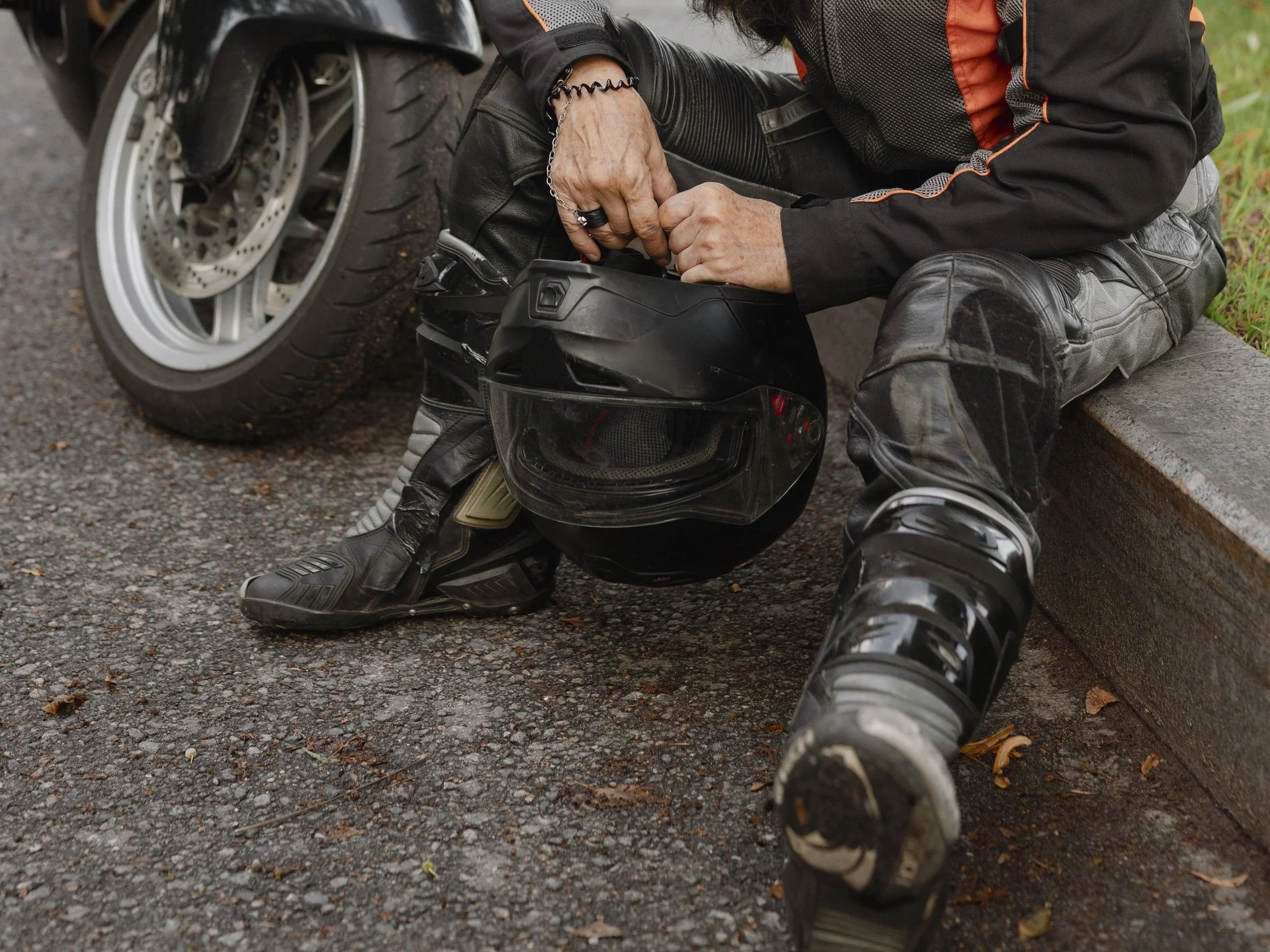
Motorcycle gloves can improve grip while providing protection for the hands. Proper riding boots should cover the feet and ankles, while a suitable motorcycle jacket and riding pants can provide additional protection from abrasion and weather.
For everyday commuting, gear should be practical enough that you will actually wear it consistently. For touring, consider equipment that handles changing temperatures, rain, and long hours in the saddle.
Make Visibility a Priority in Traffic
One of the biggest challenges for motorcyclists is being surrounded by larger vehicles. Drivers may fail to notice a motorcycle, particularly when it is positioned in another vehicle’s blind spot.
Avoid riding for extended periods in areas where drivers are unlikely to see you. Maintain a position that gives you a useful view of surrounding traffic and allows other road users a reasonable chance to notice your motorcycle.
Keep your headlights and signals in good working order, and use indicators clearly before changing direction. At intersections, be particularly cautious. A green light does not guarantee that every approaching vehicle will stop.
Maintain a Safe Following Distance
Following too closely reduces your options when traffic suddenly slows. Motorcycles can stop quickly, but the rider still needs enough time to recognize a hazard and respond smoothly.
Leave enough space between your motorcycle and the vehicle ahead to see what is happening beyond it. If the car in front suddenly brakes because of an obstacle, animal, pothole, or stopped vehicle, extra distance gives you more room to react.
On wet or slippery roads, increase your following distance further and use smoother braking and acceleration.
Adjust Your Riding for Weather and Road Conditions
Road conditions can change significantly during a single ride. A dry road in the morning may become wet after an afternoon shower, while strong winds can make an exposed highway section more difficult to manage.
Ride More Smoothly on Wet Roads
Rain reduces traction and can make painted road markings, metal covers, and other surfaces particularly slippery. Avoid sudden steering, acceleration, or braking whenever possible.
After a long dry period, accumulated oil and grime on the road can also create unpleasant conditions when mixed with rain. Slow down and give yourself additional space until traction improves.
Be Careful Around Gravel, Potholes, and Road Debris
Loose gravel, sand, broken pavement, and potholes can upset a motorcycle quickly. Scan the road ahead instead of focusing only on the vehicle immediately in front of you.
If you spot a hazard early, reduce speed smoothly and choose the safest path around it. Avoid making an abrupt maneuver simply to avoid a small object unless doing so is clearly safer.
Use Defensive Riding Techniques Every Day
Defensive riding means assuming that other road users may make mistakes and maintaining enough space and awareness to respond.
Watch the wheels of vehicles at intersections, monitor cars preparing to change lanes, and pay attention to pedestrians and cyclists. Do not assume a vehicle’s turn signal means the driver has actually seen you.
It also helps to keep your attention moving. Check mirrors regularly, scan intersections, and avoid staring at one object for too long. Good situational awareness gives you more information before a potential problem develops.
Prepare Differently for Long-Distance Motorcycle Trips
Long rides create additional challenges because fatigue, weather changes, mechanical issues, and unfamiliar roads become more important.
Plan Fuel, Rest, and Route Stops
Do not plan a long-distance route solely around the fastest possible arrival time. Include regular breaks for fuel, hydration, food, and stretching.
Fatigue can gradually reduce concentration even when you initially feel fine. If you become noticeably tired, find a safe place to stop rather than trying to push through the final portion of the trip.
Carry Basic Emergency Equipment
A touring rider should consider carrying items that can help with common problems, such as a tire repair solution appropriate for the motorcycle, a small tool kit, charging equipment, and basic rain protection.
Before leaving, check the motorcycle battery and charging system if there have been signs of starting difficulty. A battery that struggles at home can become a much bigger problem hundreds of miles away.
For longer tours, keep important documents, emergency contacts, and essential items protected from rain and easily accessible.
Avoid Common Motorcycle Safety Mistakes
Some riding mistakes are surprisingly easy to make because they develop gradually.
One common problem is becoming too comfortable with familiar roads. Knowing the route does not mean knowing what another driver will do today.
Another mistake is riding beyond your current skill level. A motorcycle may have impressive performance, but public roads are not racetracks. Speed should always match traffic, visibility, road conditions, and the rider’s ability to respond safely.
Skipping maintenance is another avoidable issue. Motorcycle oil, tires, brakes, chains, batteries, and other components need appropriate attention. A motorcycle that starts every morning can still have a developing mechanical problem.
Finally, avoid letting electronics distract you. Communication systems from companies such as Sena or Cardo can be useful for navigation and rider communication, but riders should configure them in a way that does not interfere with concentration.
Build Safety Habits That Work on Every Ride
The best motorcycle safety practices are the ones you can repeat consistently. Check the bike before riding, wear appropriate protective equipment, maintain visibility, leave enough space, watch road conditions, and stay mentally engaged with your surroundings.
Everyday commuting and long-distance touring may feel very different, but the fundamentals remain similar. The goal is not to eliminate every possible risk—that is impossible on a motorcycle—but to recognize hazards early and maintain enough control and space to deal with them.
A few extra minutes spent checking the motorcycle and preparing for the conditions can make a meaningful difference. Ride within your abilities, respect the road, and treat safety as part of the ride rather than something that begins only after a problem appears.