LSG Team Owner Partnership: Understanding the Ownership Structure
Lucknow Super Giants (LSG) have quickly become one of the most recognizable teams in the Indian Premier League. The franchise...
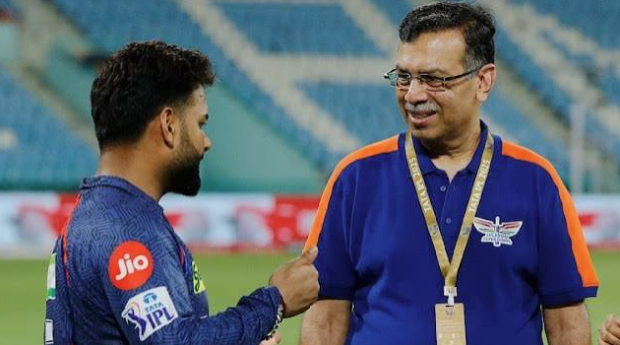
Lucknow Super Giants (LSG) have quickly become one of the most recognizable teams in the Indian Premier League. The franchise entered the IPL in 2022 after the Lucknow franchise rights were secured in 2021. Behind the team is the RP-Sanjiv Goenka Group, with RPSG Sports playing the central role in the franchise’s ownership and operations.
For readers looking for more information about the people and companies behind the franchise, this detailed guide to the LSG owner explains Sanjiv Goenka, RPSG Group and the team’s ownership background. Understanding the lsg team owner partnership requires looking beyond the public image of one individual and examining how the franchise is structured through RPSG Sports.
Who Owns Lucknow Super Giants?
Lucknow Super Giants is owned by RPSG Sports Private Limited, the sports arm of the RP-Sanjiv Goenka Group. The official IPL website also lists RPSG Sports Private Limited as the owner of Lucknow Super Giants.
The RPSG Group officially states that Dr. Sanjiv Goenka is the principal owner of LSG. The group secured the Lucknow franchise in 2021, making the team part of its growing sports portfolio.
Understanding the LSG Team Owner Partnership
The phrase lsg team owner partnership can sometimes create confusion because LSG does not operate like a franchise with several publicly promoted individual co-owners. Instead, the ownership is organized through corporate entities connected to the RPSG Group.
According to RPSG Ventures’ annual report, RPSG Ventures holds a 51% stake in RPSG Sports Private Limited, while the remaining 49% is held by another unlisted company within the RPSG Group. RPSG Sports holds the right to own and operate Lucknow Super Giants.
This structure means the term partnership is better understood as a corporate ownership arrangement within the wider RPSG Group rather than a traditional partnership between unrelated businessmen.
The Role of Sanjiv Goenka
Sanjiv Goenka is the most prominent individual associated with Lucknow Super Giants. He is the chairman of the RP-Sanjiv Goenka Group and has played a major role in expanding the group’s interests in professional sports.
The RPSG Group has built a wider sports portfolio that includes Lucknow Super Giants, Durban’s Super Giants and other sporting investments. This strategy has helped the group create a recognizable “Super Giants” identity across different competitions.
For more IPL ownership stories, franchise information and cricket business coverage, readers can explore the CricketGeek for additional articles and guides.
How RPSG Sports Fits Into the Structure
RPSG Sports Private Limited is the key company connecting the RPSG Group with Lucknow Super Giants. The company is part of the group’s sports business and holds the right to own and operate the IPL franchise.
RPSG Ventures has disclosed that it owns 51% of RPSG Sports, while another unlisted group company owns the remaining 49%. This arrangement keeps LSG within the wider RPSG corporate structure while allowing the sports business to operate through a dedicated company.
Why the Partnership Structure Matters
The corporate structure is important because it separates the personal role of Sanjiv Goenka from the legal ownership of the franchise. Goenka is the principal owner and leading figure associated with LSG, but the franchise is operated through corporate entities rather than being held simply in his personal name.
This model also gives the RPSG Group flexibility to manage its different sporting investments. Its sports division has interests across cricket and other professional sports, allowing the group to develop a broader sports-business strategy.
LSG’s Franchise Investment
RPSG Group’s entry into the IPL was a major investment. In 2021, the group won the rights to the Lucknow franchise with a bid of ₹7,090 crore. This demonstrated the group’s confidence in the long-term commercial potential of the IPL.
The investment also established LSG as an important part of the RPSG sports portfolio. Since entering the competition, the franchise has developed a strong following in Lucknow and has built commercial relationships through sponsorships, ticket sales and other IPL-related revenue streams.
Is LSG Owned by Multiple Individuals?
LSG should not be described as a franchise jointly owned by several unrelated individual investors. The official ownership information identifies RPSG Sports Private Limited as the owner, while RPSG Group identifies Sanjiv Goenka as the principal owner.
The corporate shareholding inside RPSG Sports does involve more than one group company, with RPSG Ventures holding 51% and another unlisted RPSG Group company holding 49%. Therefore, the lsg team owner partnership is primarily a corporate arrangement within the same business group.
The Future of LSG Ownership
The RPSG Group has continued to expand its presence in sports, making LSG an important part of its long-term strategy. The group’s investments in cricket and other sports suggest that it views franchise ownership as more than a short-term IPL opportunity.
As LSG continues to grow, the ownership structure may attract more attention because the franchise combines a strong cricketing identity with a large corporate backing. The RPSG model also gives the team access to the group’s wider business expertise and commercial network.
Final Thoughts
The lsg team owner partnership is best understood through the corporate relationship between RPSG Ventures, RPSG Sports and the wider RP-Sanjiv Goenka Group. RPSG Sports holds the right to own and operate Lucknow Super Giants, while RPSG Ventures owns 51% of RPSG Sports and another RPSG Group company holds the remaining 49%.
Sanjiv Goenka remains the principal owner and the most recognizable figure behind the franchise. Rather than being a simple partnership between individual owners, LSG is part of a structured sports business controlled within the RPSG Group. This makes its ownership model different from the way many fans may initially understand IPL franchise ownership.