
How to Prepare for Your First Hiking Adventure
Your first hiking adventure can be exciting, but it is also normal to feel unsure about what to bring, what...
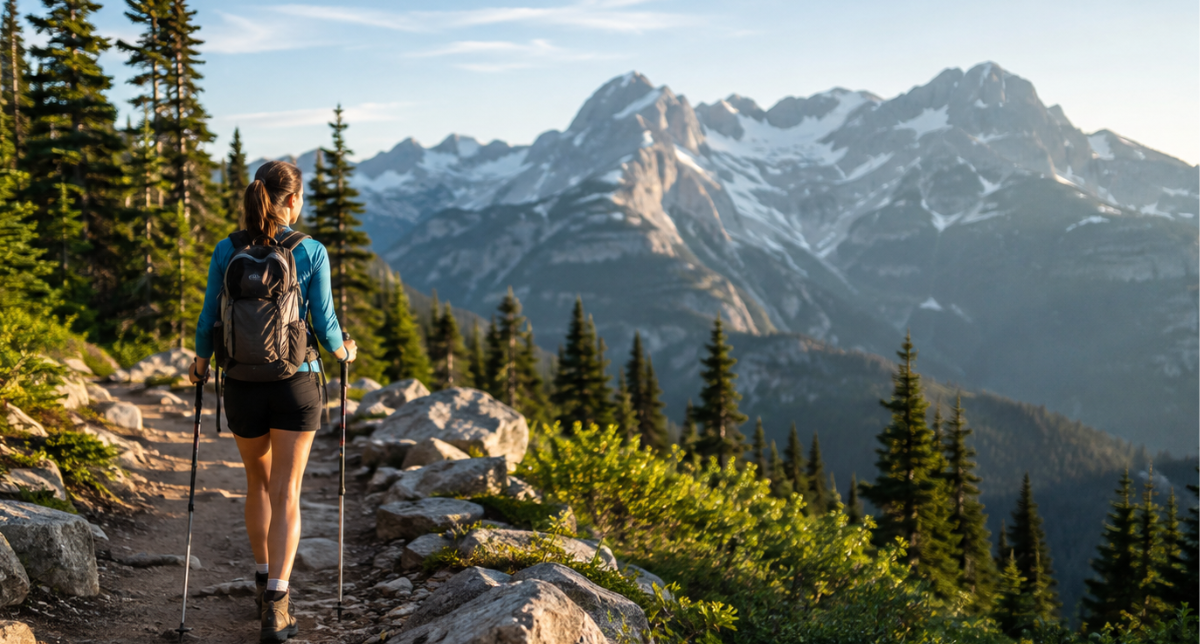
Your first hiking adventure can be exciting, but it is also normal to feel unsure about what to bring, what to wear, and how difficult the trail might be. You do not need to become an expert before stepping onto a trail. A little planning can make the experience considerably more comfortable and help you avoid problems that beginners commonly encounter. Resources such as an Oscar Hikes Guide can also help you understand hiking basics, gear choices, footwear, and trail preparation before heading outdoors.
The key is to prepare for the hike you are actually taking. A short walk on a maintained trail requires a different approach from a full-day trip through remote or mountainous terrain. Before you leave home, take some time to understand the route, check the conditions, prepare your equipment, and think through what you would do if your plans change.
Choose Your First Trail Carefully
The trail you choose can have a bigger impact on your experience than almost any piece of equipment.
When looking at potential trails, do not focus only on distance. Check the elevation gain, terrain, estimated duration, and difficulty level as well. A short trail with several steep climbs may be considerably more demanding than a longer route with gentle terrain.
For a first hike, choose something that feels achievable rather than impressive. A manageable trail gives you room to learn how your body responds to walking for several hours without making the experience unnecessarily difficult.
Before leaving, also check whether the trail has recent information about closures, construction, weather-related problems, or other changes.
Research the Route Before You Leave
Once you have selected a trail, spend a few minutes studying the route.
Look at a map and identify:
- The trailhead and parking or access point
- Major intersections
- Steep sections
- Possible water sources
- Rest areas or facilities
- The approximate turnaround point
- Alternative routes, if available
Understanding the route beforehand means you are less likely to become confused once you are on the trail.
If you are using a smartphone for navigation, consider downloading the map for offline use. Mobile coverage can be unreliable in some outdoor areas, and relying entirely on an internet connection is not ideal.
Check the Weather
Weather should be part of your preparation, not an afterthought.
Check the forecast close to your departure time and consider how conditions could change during the hike. Rain, heat, cold, strong wind, and direct sunlight can all affect your comfort and your ability to move safely.
If rain is expected, pack appropriate waterproof protection. In hot conditions, consider how exposed the trail is and make sure your water supply is suitable for the outing.
Do not be afraid to change your plans if the conditions look unsuitable. There is nothing wrong with postponing a hike when the weather creates unnecessary risk.
Wear the Right Footwear
Comfortable footwear is one of the most important parts of hiking preparation.
The best choice depends on the trail. A smooth, maintained path may be comfortable in hiking shoes, while rough or rocky terrain may make more protective footwear preferable.
Fit matters more than simply choosing a particular style. Your toes should have enough room, while your heel should remain reasonably secure. Walk around in your footwear before the hike to identify pressure points or rubbing.
If you notice discomfort at home, imagine how much more noticeable it could become after hours of walking. Fixing a footwear problem before the trip is much easier than dealing with blisters halfway through a trail.
Plan Your Clothing in Layers
Hiking clothing should help you adapt to changing conditions.
Instead of relying on one thick item, consider wearing layers that can be removed or added as necessary. This is particularly useful when temperatures change between the start of the hike and later in the day.
Choose clothing that allows comfortable movement and is appropriate for the expected weather. Bring an additional layer if conditions could become cooler, especially if you will be hiking for several hours.
Your clothing does not need to be expensive or highly specialized for a beginner hike. It simply needs to be comfortable, functional, and suitable for the environment.
Pack the Essentials
A day hike does not require an enormous backpack, but you should carry enough to deal with ordinary problems and changing conditions.
Useful items may include:
- Water
- Snacks or food
- A phone with sufficient battery
- Navigation tools
- Small first-aid supplies
- Weather-appropriate extra clothing
- Sun protection
- A flashlight or headlamp
- Basic emergency supplies
The exact contents should depend on your route. A short hike close to town is different from a remote trail where assistance may take longer to reach you.
Avoid the temptation to pack every possible item. Excess weight can make a beginner hike much more tiring than necessary. Focus on things that have a realistic purpose.
Plan Your Food and Water
Hydration and food deserve their own consideration.
Bring enough water for the expected duration and conditions. Hot weather, strenuous climbs, and longer hikes can increase your needs.
Do not automatically assume that natural water sources are safe to drink. If you intend to collect water during a hike, understand the local conditions and use suitable treatment methods when necessary.
For food, choose snacks that are easy to carry and eat. The goal is convenience rather than creating a complicated outdoor meal.
If your hike is longer than expected, having extra food and water can give you a useful margin.
Tell Someone About Your Plans
If you are hiking alone, particularly on an unfamiliar or remote trail, let someone know where you are going.
Share the basic route, trailhead, and approximate return time. This simple step gives another person useful information if something unexpected happens.
Even when hiking with friends, it is worth having a clear understanding of your planned route. Everyone should know where the group is going and what the general schedule looks like.
Start With a Comfortable Pace
Your first hiking adventure is not the time to prove how fast you can walk.
Many beginners start quickly because they feel energetic at the trailhead. After a long climb or several miles, however, that early pace can become difficult to maintain.
Start slowly and find a rhythm that feels sustainable. Take short breaks when needed, especially on steep sections.
A steady pace is usually more useful than rushing through the first half of the trail and struggling later.
Prepare for the Possibility of Turning Back
Before starting, decide what conditions would make you reconsider the plan.
You might turn around because of worsening weather, unexpected trail conditions, lack of daylight, equipment problems, or physical discomfort. Having that decision in mind before the hike can make it easier to act rationally if something changes.
Do not let the fact that you have already spent time walking convince you to continue when conditions no longer make sense.
Turning back is a practical decision, not a failure.
Common First-Hike Mistakes
A few mistakes are especially easy for beginners to make.
Choosing a trail that is too difficult: Start with something manageable and increase the challenge gradually.
Ignoring elevation: Distance alone does not accurately describe how demanding a route will be.
Wearing new footwear: Give your shoes time to prove that they are comfortable.
Depending entirely on a phone: Download maps and consider what you would do if the battery died or coverage disappeared.
Carrying too much: Heavy backpacks can turn a pleasant hike into an exhausting one.
Ignoring the forecast: Conditions can affect everything from clothing choices to trail difficulty.
Leaving too little time: Give yourself enough daylight and flexibility to handle unexpected delays.
Learn From Every Hike
Your first adventure does not need to be perfect. In fact, you will probably learn something useful from it.
Maybe you discover that you need a different type of footwear, that your backpack is heavier than necessary, or that you prefer shorter trails with more frequent breaks. Those observations can help you prepare better next time.
After returning home, think about what worked and what did not. A few minutes of reflection can improve your preparation for future trips.
Make Preparation Part of the Experience
Preparing for a first hike should not feel like a complicated project. Start with a realistic trail, understand the route, check the weather, wear comfortable footwear, pack sensible essentials, and give yourself enough time.
Once those habits become routine, planning becomes much easier. You can gradually explore longer trails, different environments, and more challenging terrain while building confidence at your own pace.
Your first hiking adventure does not need to be the biggest one. It simply needs to be a good starting point for many more.