
How the US Machine Tool Industry Is Evolving: Trends to Watch
The US machine tool industry is changing very quickly. Modern factories need machines that are smarter, faster, and more efficient....
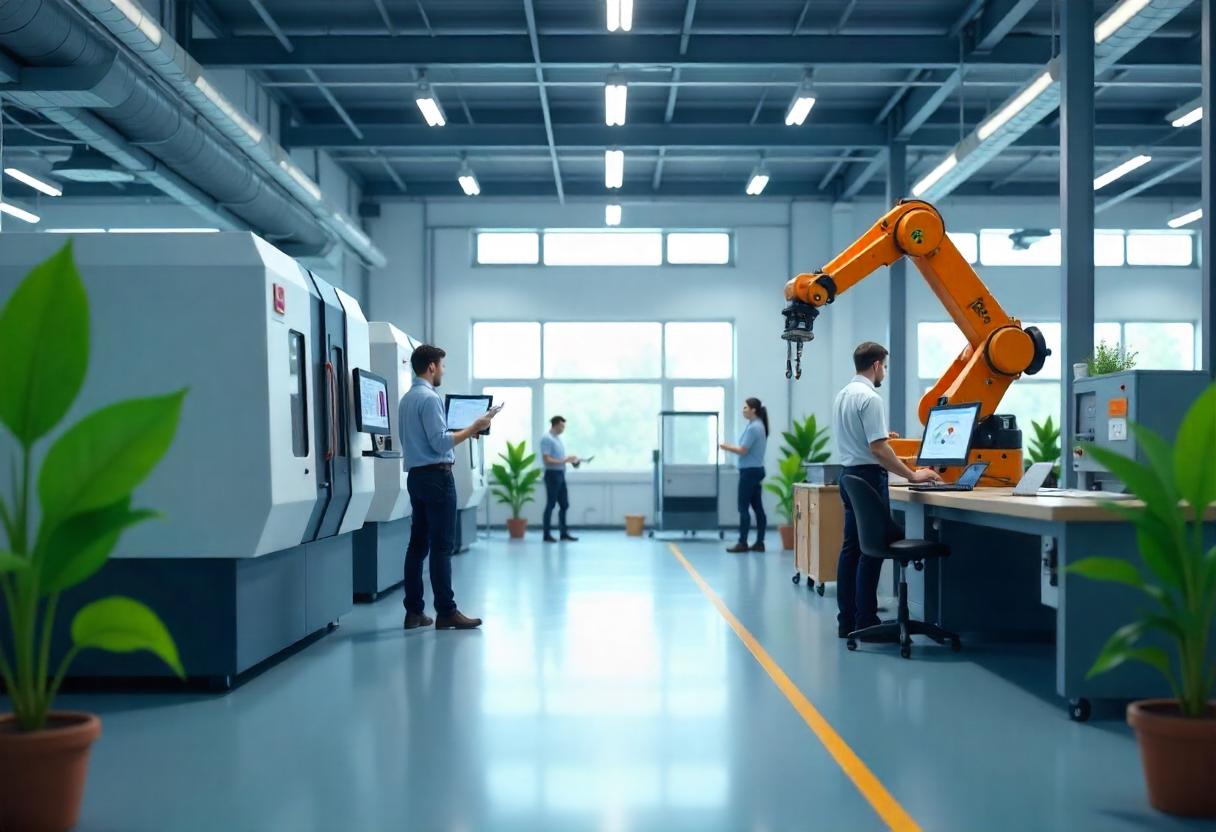
The US machine tool industry is changing very quickly. Modern factories need machines that are smarter, faster, and more efficient. This big shift is affecting jobs, production costs, and even the US economy.
It is important to understand the main trends in this industry. Knowing what’s changing helps companies stay ahead of the competition and plan for the future. Let’s look at five key trends that show how the US machine tool industry is evolving.
1. Rising Use of Automation and Robotics
Growth in Automation Adoption
One of the biggest trends is the rise of automation and robotics. More US factories are using robots to help with work. In fact, experts say the use of automation in factories will grow by 10% every year by 2025.
Big companies like Hyundai are spending a lot of money on robotic arms. These robots can do tasks like welding, painting, and moving heavy parts. They help make work faster and more accurate.
Impact on Efficiency and Jobs
Using robots brings many benefits. They cut down on cycle times, which means they finish jobs faster. They also make fewer mistakes than humans, which means better quality products.
However, robots also change the kinds of jobs people do. Some old jobs might disappear, but new jobs are being created. Workers are needed to program, maintain, and repair robots. So, the skill sets are changing.
Real-World Example
A good example is Lincoln Electric, a company that makes welding products. They use robots for welding. Thanks to these robots, their output went up by 20%, and their workers are now safer because they are away from dangerous welding tasks.
2. Advances in CNC and Smart Machine Technologies
Developments in CNC Machines
Another big change is the improvement in CNC machines. CNC stands for Computer Numerical Control. These machines are controlled by computers and can make very precise and complex parts.
Companies like Haas are making new CNC models that are smarter than ever. These machines can cut metals and other materials with amazing accuracy. This means better quality parts and less waste.
Integration of Sensors and IoT
Modern machines are also using sensors and the Internet of Things (IoT). These smart machines collect data while they work. For example, they can measure temperature, vibration, and speed.
This real-time data helps companies predict when a machine might break down. So they can fix it before it fails. This cuts downtime by up to 25%, which saves a lot of money.
Expert Insight
Industry analyst John Smith says, “Smart machines lower costs and boost quality.” This is why so many companies are investing in them.
3. Growing Focus on Sustainability and Green Manufacturing
Energy Efficiency Gains
Sustainability is another important trend. New machines are built to use 30% less power than older models. This helps factories lower their energy bills and reduce harmful emissions.
Many US manufacturers are trying to cut costs and help the environment at the same time. Using less energy is a win-win for everyone.
Use of Sustainable Materials
Companies are also starting to use more recyclable and eco-friendly materials. For example, US Tool is switching to supplies that are better for the environment.
This trend is not just good for nature. Many customers today want to buy from companies that care about the planet.
Case Study
Precision Machining, a small manufacturer, began recycling their cooling oil. This simple change saved them thousands of dollars every year. It also reduced waste and made their operations cleaner.
4. Impact of Supply Chain Changes
Supply Chain Disruptions
The last few years have shown how fragile supply chains can be. Problems like chip shortages and shipping delays have hurt the machine tool industry.
Companies sometimes have to wait weeks or even months for parts. This slows down production and raises costs.
Reshoring and Local Sourcing
Because of these problems, many US companies are bringing production back home, a trend known as reshoring. They also try to buy more from local suppliers.
Having a local supply chain makes it easier to get parts on time. It also creates more jobs in the US.
Actionable Tip
If you run a machine shop or factory, try to build strong relationships with local suppliers. This can help reduce delays and keep your business running smoothly, even when global supply chains are in trouble.
5. Skills and Workforce Development Needs
New Skills for Workers
As machines get smarter, workers need new skills. Running an advanced CNC machine or a robot is not like working with old manual machines. Workers must learn to program, troubleshoot, and maintain these systems.
This means more training is needed. Companies see that investing in their people pays off in the long run.
Training Initiatives
Many manufacturers are partnering with technical schools to teach these skills. Some even have in-house training programs. When workers learn new skills, companies see 15% higher productivity.
This makes training a smart business move.
Industry Quote
As Jane Doe, a factory manager, says:
“Skilled workers are the backbone of the new machine tool industry.”
Without well-trained people, even the smartest machines cannot run properly.
Conclusion
The US machine tool industry is moving forward very quickly. Automation, smart CNC machines, a focus on green practices, changes in the supply chain, and new skill needs are all driving this change.
Companies that pay attention to these trends and adapt early will be the ones that grow and lead the market. Staying informed is the first step. This way, businesses can plan better, train their teams, and invest in the right technology to secure a strong future.