How Do Experts Improve Efficiency During Seed Processing?
Seed processing presents unique challenges, from maintaining high quality to minimizing losses and meeting tight operational schedules. Efficient processing is...
Seed processing presents unique challenges, from maintaining high quality to minimizing losses and meeting tight operational schedules. Efficient processing is crucial to ensure seeds remain viable, disease-free, and ready for planting at the optimal time. Expert involvement transforms the seed handling process, introducing advanced methods and best practices that save time and resources while maintaining consistent quality. Professional seed processors bring specialized knowledge, equipment, and techniques that streamline operations and reduce manual labor. This post serves as a guide to the methods, techniques, and best practices experts employ to improve efficiency in seed processing operations, highlighting how custom seed processing elevates productivity and supports growers in achieving superior results.
Streamlined Seed Cleaning and Sorting Techniques
- Use of mechanical cleaning to remove dust, debris, and broken seeds quickly.
- Sieving and air separation for fast and precise sorting by size and weight.
- Magnetic and gravity-based methods to eliminate foreign particles efficiently.
- Seed coating and treatment processes to reduce time-intensive handling.
- Continuous quality checks to maintain consistency without slowing down operations.
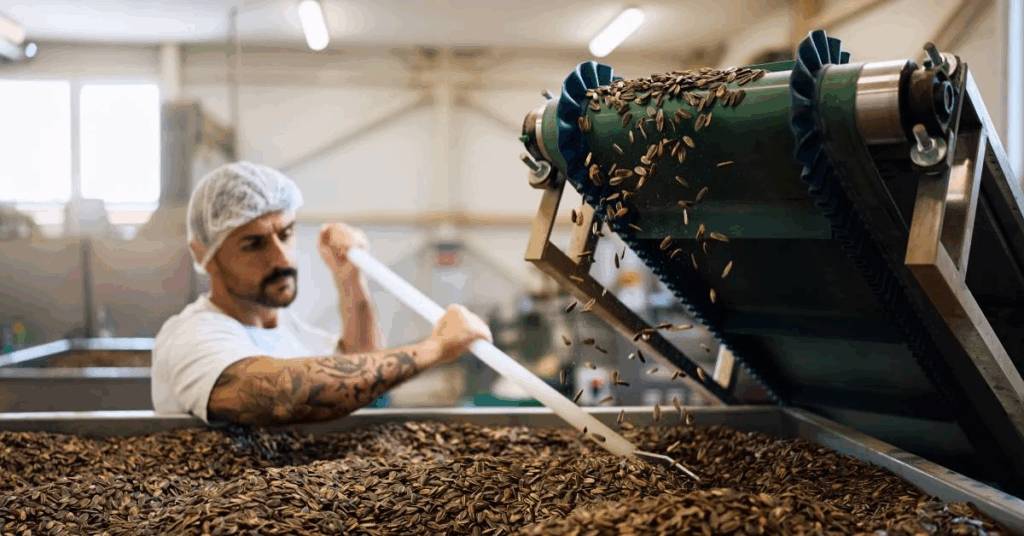
Experts focus on precision cleaning and sorting to maintain seed integrity and accelerate processing. Mechanical and automated systems ensure that unwanted materials are removed efficiently, while advanced sieving and air separation allow seeds to be sorted accurately by size and weight. Magnetic and gravity-based methods reduce contamination risk, and seed coating treatments save labor by combining handling steps. Continuous quality monitoring ensures that operations maintain high standards without slowing throughput, allowing large volumes of seeds to be prepared rapidly and reliably.
Optimized Handling and Storage Practices
- Organized storage layouts to reduce time spent accessing seeds.
- Controlled temperature and humidity for minimal seed spoilage.
- Proper packaging techniques for easy transport and handling.
- Routine sanitation to prevent contamination without halting operations.
- Employee training to ensure smooth, efficient processing workflows.
Efficient seed handling requires structured storage and strategic workflows. Proper layout planning reduces retrieval time, while controlled environmental conditions protect seeds from spoilage. Advanced packaging techniques simplify transport and ensure seeds remain intact during transit. Routine sanitation prevents contamination, and well-trained staff contribute to seamless operations. Together, these practices maintain seed quality while minimizing delays and operational inefficiencies.
Integration of Technology in Seed Processing
Automation and technology significantly enhance efficiency in seed processing. Automated machinery performs cleaning, sorting, and coating tasks faster and more consistently than manual labor. Inventory and tracking systems allow precise monitoring of seed batches, ensuring accurate records and traceability. Sensors and data-driven tools detect early signs of spoilage, pest activity, or process inconsistencies, enabling timely intervention. The combination of advanced equipment with expert supervision ensures maximum throughput while safeguarding seed quality, allowing processors to handle larger volumes without compromising operational standards.
Impact on Crop Yield and Farm Productivity
Efficient seed processing directly benefits farmers by improving germination rates and crop quality. Processed seeds experience reduced waste, leading to cost savings and more effective use of resources. Timely processing ensures seeds are ready for planting schedules, supporting farm productivity and operational planning. High-quality, efficiently processed seeds contribute to consistent crop growth, enabling farmers to maximize yield potential and strengthen their overall agricultural output.
Benefits of Working with Seed Processing Experts
Partnering with professional seed processors offers growers assurance of high-quality seeds processed efficiently. Expert teams minimize errors and reduce labor-intensive tasks, freeing farmers to focus on cultivation and crop management. Both large-scale farms and smaller growers benefit from tailored guidance on handling, storage, and planting readiness. Professionals provide strategic advice on optimizing operations, ensuring seeds remain viable, protected, and ready for planting when required. Custom seed processing solutions help farms achieve consistent results, higher yields, and operational reliability.
Conclusion
Expert-led seed processing integrates advanced cleaning, sorting, handling, and storage techniques with technology-driven solutions to optimize efficiency. Streamlined workflows, precise quality control, and trained staff ensure seeds are processed quickly without compromising quality. These practices directly enhance crop productivity, reduce waste, and provide cost-effective outcomes for farmers. Partnering with professionals offering custom seed processing allows growers to achieve consistent germination, timely planting, and improved operational performance, ensuring seeds are ready for use under optimal conditions.
FAQs
What is custom seed processing?
Custom seed processing refers to professional methods that clean, sort, coat, and handle seeds efficiently to maintain quality and optimize planting readiness.
How does technology improve seed processing efficiency?
Automated machinery, tracking systems, and sensors streamline cleaning, sorting, and monitoring, reducing manual labor and errors while ensuring consistent seed quality.
Why is proper seed handling important for farmers?
Correct handling, storage, and packaging reduce spoilage, contamination, and wastage, resulting in higher germination rates and improved crop productivity.
Can small farms benefit from expert seed processing services?
Yes, professional services offer scalable solutions tailored to both large and small growers, ensuring high-quality seeds and streamlined operations for all farm sizes.