From Daily Attendance Registers to Smart Apps: The Future of Workforce Tracking
For decades, businesses across industries have relied on the humble daily attendance register to monitor employee presence, punctuality, and working...
For decades, businesses across industries have relied on the humble daily attendance register to monitor employee presence, punctuality, and working hours. Whether it was a physical ledger passed around in an office or a printed sheet signed at the factory gate, attendance tracking has long been a fundamental part of workforce management. However, as workplaces evolve in response to technology, globalization, and changing employee expectations, traditional methods are steadily giving way to smarter, more efficient solutions.
The transformation from manual registers to digital systems is not just a matter of convenience it reflects a broader shift toward accuracy, transparency, and real-time decision-making.
The Limitations of the Daily Attendance Register
The daily attendance register served its purpose well in simpler times. It provided a straightforward way to record employee presence and calculate working hours. However, it comes with several limitations that modern businesses can no longer afford to ignore.
First, manual entry is prone to human error. Employees may forget to sign in or out, supervisors might overlook discrepancies, and data can easily be misrecorded. Over time, these small errors accumulate, leading to payroll inaccuracies and disputes.
Second, the traditional register lacks transparency and accountability. Proxy attendance—where one employee marks attendance for another has always been a challenge. Without a reliable verification mechanism, organizations often struggle to maintain discipline.
Third, managing physical records becomes increasingly difficult as organizations grow. Storing, retrieving, and analyzing data from stacks of registers is time-consuming and inefficient. It also limits the ability to generate insights about attendance patterns, absenteeism, and productivity.
The Rise of Digital Attendance Solutions
As businesses began to recognize these challenges, digital solutions emerged as a natural evolution. Early systems introduced basic computer-based tracking, but the real shift came with the development of the attendance app.
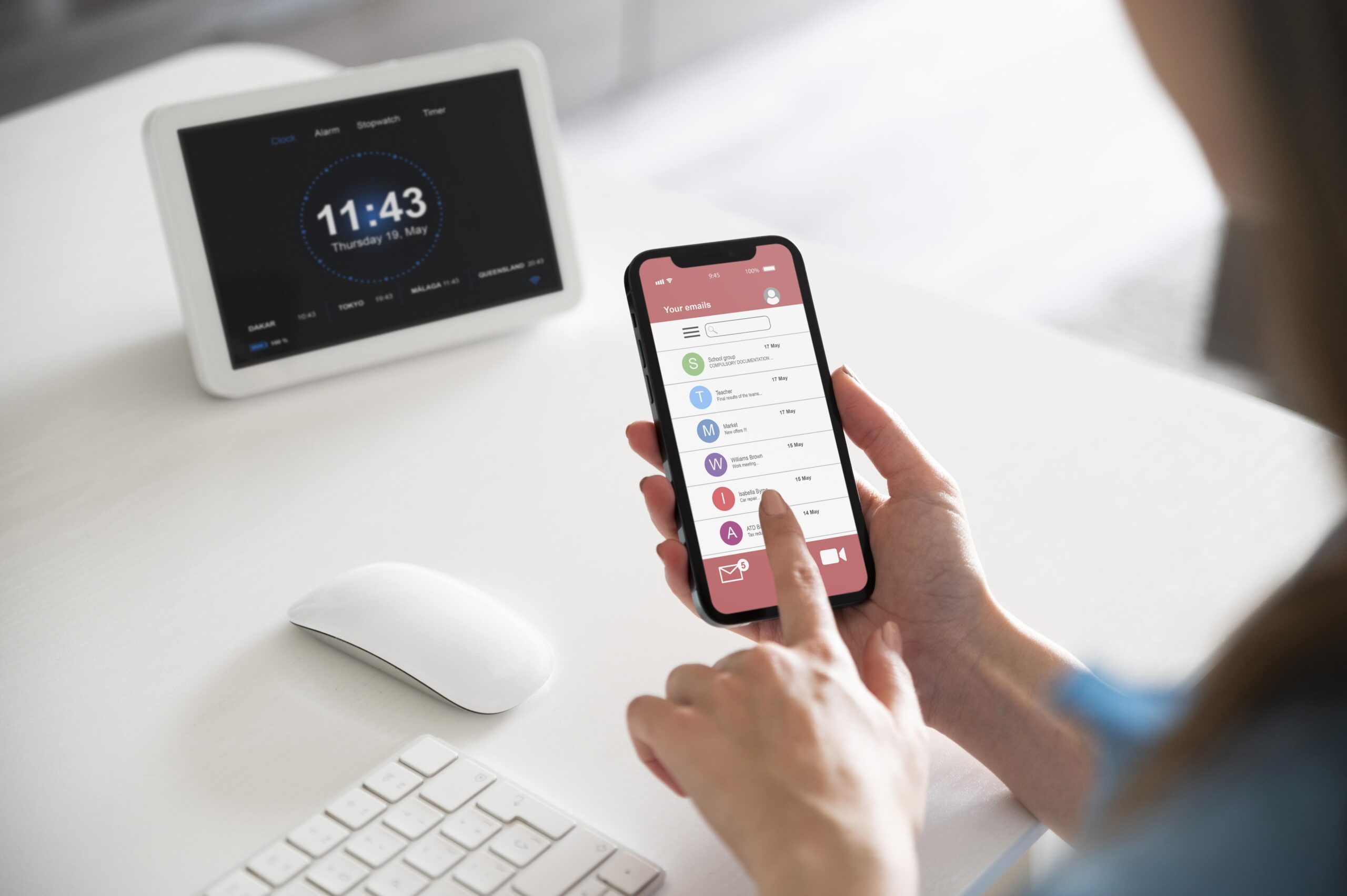
An attendance app allows employees to mark their presence using smartphones, tablets, or computers. These apps are designed to be intuitive and accessible, enabling organizations to move away from paper-based systems entirely. Employees can check in with a simple tap, while managers gain instant visibility into attendance data.
What makes these apps particularly powerful is their ability to integrate with other systems such as payroll, HR management, and scheduling tools. This integration reduces administrative workload and ensures that attendance data flows seamlessly across the organization.
Biometric Attendance: Enhancing Accuracy and Security
One of the most significant advancements in workforce tracking is the introduction of biometric attendance systems. These systems use unique biological identifiers such as fingerprints, facial recognition, or iris scans to verify an employee’s identity.
Biometric attendance eliminates the possibility of proxy attendance and ensures that records are accurate and tamper-proof. For industries where security and compliance are critical—such as manufacturing, healthcare, and government services this level of reliability is essential.
Additionally, biometric systems reduce the time spent on attendance marking. Employees no longer need to sign registers or remember login credentials; a quick scan is all it takes. This efficiency becomes especially valuable in large organizations with hundreds or thousands of employees.
The Emergence of Employee Attendance Apps
The modern employee attendance app goes beyond simply recording presence. It represents a comprehensive workforce management tool that adapts to the needs of today’s dynamic work environments.
With remote work and hybrid models becoming more common, employees are no longer confined to a single location. Attendance apps address this by offering features such as GPS tracking, geofencing, and remote check-ins. Employees can mark attendance from different locations while ensuring authenticity through location verification.
These apps also provide real-time dashboards for managers. Instead of waiting for end-of-day or end-of-month reports, supervisors can monitor attendance trends instantly. This enables quicker decision-making and better resource allocation.
Furthermore, employee attendance apps often include additional functionalities such as leave management, shift scheduling, overtime tracking, and performance analytics. By consolidating these features into a single platform, organizations can streamline their HR processes and improve overall efficiency.
Benefits of Smart Workforce Tracking
The transition from a daily attendance register to smart digital solutions brings numerous benefits:
- Improved Accuracy:
Automated systems minimize errors and ensure reliable data collection. This leads to accurate payroll processing and reduces disputes. - Time Efficiency:
Manual record-keeping is time-consuming. Digital tools automate repetitive tasks, allowing HR teams to focus on strategic activities. - Enhanced Transparency:
Employees and managers have access to the same data, promoting trust and accountability within the organization. - Real-Time Insights:
Organizations can analyze attendance patterns, identify trends, and make data-driven decisions. - Scalability:
Digital systems can easily adapt to growing workforce sizes without the need for additional physical resources. - Compliance and Security:
Biometric and app-based systems ensure compliance with labor laws and protect sensitive employee data.
Challenges in Adoption
Despite the advantages, the shift to digital attendance systems is not without challenges. Some organizations face resistance from employees who are accustomed to traditional methods. Concerns about privacy, especially with biometric attendance, can also arise.
Additionally, implementing new technology requires investment in infrastructure, training, and ongoing maintenance. Small businesses, in particular, may find it difficult to allocate resources for this transition.
However, these challenges are often temporary. With proper communication, training, and support, organizations can overcome resistance and ensure a smooth adoption process.
The Future of Workforce Tracking
The future of workforce tracking lies in intelligent, integrated systems that go beyond attendance monitoring. Emerging technologies such as artificial intelligence and machine learning are set to play a significant role in this evolution.
AI-powered attendance systems can predict absenteeism, identify patterns in employee behavior, and provide recommendations for improving productivity. For example, they can alert managers about potential staffing shortages or suggest optimal shift schedules based on historical data.
Another trend is the integration of attendance systems with wearable devices and Internet of Things (IoT) technologies. Employees may soon use smartwatches or other connected devices to automatically record their attendance without any manual input.
Cloud-based solutions will continue to dominate, offering flexibility, scalability, and accessibility. Organizations will be able to manage their workforce from anywhere, ensuring continuity in an increasingly remote and globalized world.
Striking the Right Balance
While technology offers immense potential, it is important for organizations to strike a balance between efficiency and employee well-being. Over-monitoring can lead to a sense of distrust and negatively impact morale.
The goal of workforce tracking should not be surveillance but empowerment. By using tools like attendance apps and biometric systems responsibly, organizations can create a transparent and supportive work environment.
Conclusion
The journey from the traditional daily attendance register to modern digital solutions reflects the broader transformation of the workplace. As businesses embrace innovation, attendance tracking is becoming more accurate, efficient, and insightful.
The adoption of attendance apps, biometric attendance, and comprehensive employee attendance app is not just a trend; it is a necessity in today’s fast-paced world. Organizations that invest in these technologies will be better equipped to manage their workforce, enhance productivity, and stay competitive.
Ultimately, the future of workforce tracking is not just about recording when employees show up it is about understanding how they work, supporting their growth, and building a more connected and efficient workplace.