
Diabetic Athletic Shoes: Comfort, Protection, and Performance for Every Step
Living with diabetes means making thoughtful choices to protect your health—especially when it comes to your feet. For anyone managing...
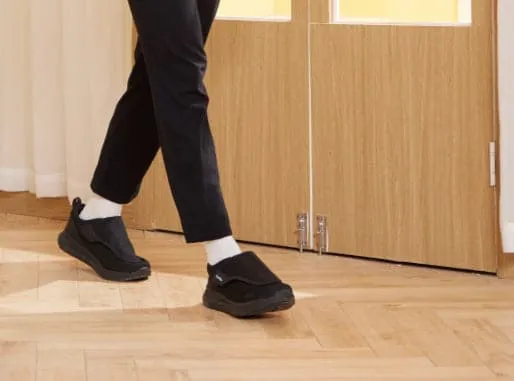
Living with diabetes means making thoughtful choices to protect your health—especially when it comes to your feet. For anyone managing diabetes, proper footwear isn’t just about comfort—it’s a key part of preventing complications like ulcers, infections, or long-term foot problems. That’s where diabetic athletic shoes come in.
Whether you’re walking, working out, or simply going about your day, diabetic athletic shoes are designed to provide the support and safety your feet need—without sacrificing style or performance.
Why Diabetic Shoes Matter
People with diabetes often experience neuropathy (nerve damage) or poor circulation, especially in the feet. This can make it hard to feel pressure, blisters, or injuries—small issues that can turn serious if left unnoticed. Regular shoes can sometimes rub, squeeze, or fail to protect sensitive areas, leading to painful consequences.
Diabetic athletic shoes are engineered to:
- Reduce pressure points
- Prevent skin breakdown
- Accommodate swelling and foot deformities (like bunions or hammertoes)
- Offer enhanced stability and shock absorption
Key Features of Diabetic Athletic Shoes
When shopping for diabetic-friendly athletic footwear, look for these essential features:
1. Extra Depth and Width
Diabetic shoes typically offer extra room to accommodate orthotics, swelling, or deformities. Wide and extra-wide options reduce pressure and help maintain proper foot alignment.
2. Seam-Free Interiors
Even minor friction can lead to blisters or ulcers. Seam-free linings made from soft, breathable materials help prevent skin irritation and keep feet cool and dry.
3. Adjustable Closures
Shoes with Velcro straps, bungee laces, or adjustable uppers allow for a custom fit—especially helpful if your feet swell during the day.
4. Supportive Insoles
Look for cushioning that offers arch support, heel cradling, and pressure distribution across the sole. Some shoes also include removable insoles so you can use custom orthotics.
5. Shock-Absorbing Midsoles
Cushioned midsoles—especially those made from dual-density EVA or PU foam—absorb impact and protect feet from hard surfaces, which is critical for preventing joint stress and fatigue.
6. Slip-Resistant Outsoles
Traction matters, especially for older adults with diabetes who may also face balance issues. A solid rubber outsole with good grip helps prevent falls.
Benefits of Wearing Diabetic Athletic Shoes
- Injury Prevention: Proper fit and support reduce the risk of foot injuries.
- Pain Relief: Cushioning helps reduce discomfort from common issues like plantar fasciitis, arthritis, or neuropathy.
- Improved Circulation: A good fit without tight pressure allows for better blood flow.
- All-Day Comfort: Designed for extended wear, these shoes offer the comfort you need for long walks, workouts, or hours on your feet.
Ideal Users: Who Should Wear Diabetic Athletic Shoes?
You don’t have to be a professional athlete to benefit from diabetic athletic shoes. They’re ideal for:
- People with Type 1 or Type 2 diabetes
- Anyone with neuropathy, circulation issues, or foot sensitivity
- Seniors who need stable, comfortable walking shoes
- People with swollen feet, bunions, hammertoes, or flat feet
Style & Performance: You Don’t Have to Compromise
Today’s diabetic athletic shoes are no longer bulky or unattractive. Many brands offer sleek, modern designs in a variety of colors and styles. From breathable mesh sneakers to orthopedic walking shoes that look like everyday trainers, there are options for every taste and activity level.
Choosing the Right Pair: What to Look For
When shopping for diabetic athletic shoes, consider the following tips:
- Try shoes on late in the day, when your feet are most swollen.
- Wear the socks you plan to use regularly for the most accurate fit.
- Check the toe box—it should be roomy enough for toes to move freely.
- Look for Medicare-approved options if you’re eligible for coverage.
- Ask your doctor or podiatrist if you need custom inserts or specific features.
Top Brands to Explore
While there are many reputable brands, some stand out in diabetic-friendly footwear:
- FitVille – Known for wide-width athletic shoes with innovative comfort tech.
- Orthofeet – Offers orthotic-friendly sneakers with deep heel cups and ergonomic soles.
- Dr. Comfort – Specializes in Medicare-approved diabetic footwear.
- Propet – Affordable and supportive options with extra width and depth.
Final Thoughts
Diabetic athletic shoes are more than just sneakers—they’re a preventive tool, a comfort upgrade, and a way to stay active without risking your foot health. Whether you’re walking your dog, heading to the gym, or just running errands, the right pair will support you every step of the way.
Remember, your feet are your foundation. Give them the care and protection they deserve with shoes designed just for your needs.