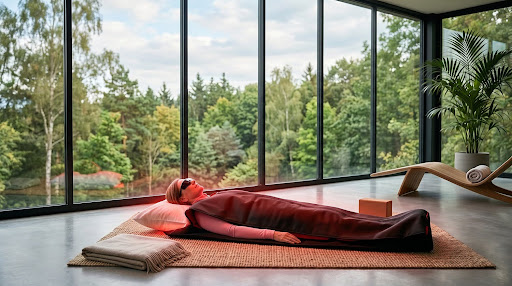
Red light therapy has exploded in popularity. Literally. Open any social media app, and you’ll see athletes, biohackers, and skin-care enthusiasts standing in front of glowing light panels. But let’s cut through the marketing noise right now. If you want to find the best red light therapy, you can't just buy a cheap bulb from Amazon and expect miracles. You need clinical-grade power. You need specific wavelengths of light.
Dozens of red light panels are flooding the market. Most of them are underpowered junk. A select few are actual game-changers. As someone who has spent years analyzing hardware specs and testing these units, I’m going to break down exactly what works, what doesn't, and how to set up professional red light therapy right in your living room.
Before you drop cash on an at-home device, you need to understand the mechanism. We aren't talking about a heating pad. Red light therapy uses specific wavelengths of red and near-infrared light to penetrate the skin and stimulate your cells' mitochondria. Think of it as a battery charger for your cellular ATP (adenosine triphosphate) production.
Visible red light (usually hitting the 630-660nm range) gets absorbed by the surface of your skin. It’s phenomenal for collagen production, wound healing, and scarring. Then you have near-infrared light (810-850nm). This is the heavy hitter. Near infrared light is technically invisible to the naked eye, but this light penetrates much deeper—straight into your muscles, joints, and even bone.
When you use a red light device that combines both red and infrared, you’re getting a compound effect. The light to reduce inflammation operates largely in that deeper near-infrared spectrum, which is why athletes swear by it for muscle recovery and intense pain relief. It’s not magic; it’s just cellular optimization.
I’ve looked at the specs of almost everything out there. From the high-end clinical setups to the affordable red light therapy knockoffs. If you are serious about this, you need a red light therapy panel. Forget the tiny wands if you want systemic benefits. You need coverage.
When evaluating the best red light therapy devices, irradiance (power output over distance) and low EMF (electromagnetic field) emissions are your north stars. Many brands lie about their irradiance. We look for third-party testing.
In our teardowns, the Wondear panel stood out immediately. It doesn't play games with inflated numbers. If you are looking to build a serious home recovery station, their flagship Red Light Therapy Full Body setup delivers the exact clinical dosing required to trigger cellular repair without the ridiculous markup you see in some legacy brands. It sits comfortably next to industry heavyweights like Mito red light in terms of raw diode power, but the build quality and heat dissipation on the Wondear unit are arguably superior for sustained home use.
How you plan to use red light therapy dictates what you should buy. There is no one-size-fits-all red light therapy tool.
If your goal is to hack your sleep, crush joint pain, or accelerate workout recovery, you need a massive LED device. A light therapy panel—specifically a high-output red light therapy panel—is the only way to go. You stand or sit in front of it for 10 to 15 minutes. The sheer surface area means your entire systemic circulation benefits. If you have the budget and the space, a Red Light Therapy Full Body system is the ultimate investment. Period. Nothing else compares to the flood of light energy hitting your entire torso and legs simultaneously.
Maybe you don’t care about muscle recovery. Maybe you just want to reverse sun damage or tackle wrinkles. Enter the light therapy mask. An LED light therapy mask is a light therapy device designed specifically to contour to your face. The best ones use red and near-infrared wavelengths directly against the skin.
Also, don't ignore the scalp. Red light therapy for hair has gained massive traction. Using specific light therapy for hair growth involves helmets or caps that blast the follicles with visible red light to extend the anagen (growth) phase of the hair cycle.
If you just have a bad knee? A smaller red light therapy unit or a handheld red light device is highly practical. You don't always need a giant wall setup to benefit from red light therapy.
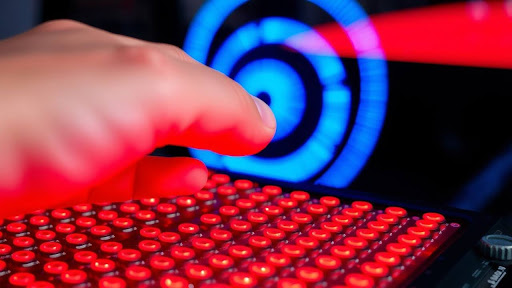
A lot of people get confused here. While red light is visible and focuses on cellular repair and anti-aging, blue light is an entirely different beast. Blue light targets the sebaceous glands and destroys acne-causing bacteria on the surface.
If you are dealing with severe breakouts, blue light may help significantly. Many top-tier aesthetic led light therapy devices actually combine the two. You’ll find panels where red and blue diodes operate simultaneously. Using blue and red light together is a massive trend in dermatology clinics, but you can easily replicate those light therapy treatments using combo devices at home.
Buying the best red light therapy panel is only step one. Execution is step two. I see people mess this up constantly. They buy a premium Red Light Therapy Full Body rig from Wondear and then stand four feet away from it.
Distance matters. Light energy degrades exponentially the further you move away from the source (the inverse square law). To get the effects of red light therapy, you need to follow the dosing guidelines.
Let’s strip away the fluff. Why are professional athletes installing led light therapy rooms in their mansions?
Look, finding the best red light therapy at home doesn't require a medical degree, but it does require dodging the snake oil. There are brilliant led light therapy devices out there, and there are glorified heat lamps.
If you want my favorite red light therapy setup, I always lean toward modular light panels. You can start with a half-body setup and connect more panels later. Make sure whatever you buy uses both visible red and near infrared light. Make sure it has a solid warranty.
The era of having to pay $100 a session at a medi-spa is over. The hardware has democratized. Whether you are grabbing a red light therapy mask for your skin routine or mounting a massive panel on your bedroom door to fix your back, the technology is real. Do your research, check the irradiance specs, buy a quality red-light therapy unit, and actually use it. Consistency is the only secret that matters.