What Separates a Quick Fix From a Lasting HVAC Repair?
A technician arrives, tightens a connection, resets a switch, and the system fires back up within twenty minutes. It feels...
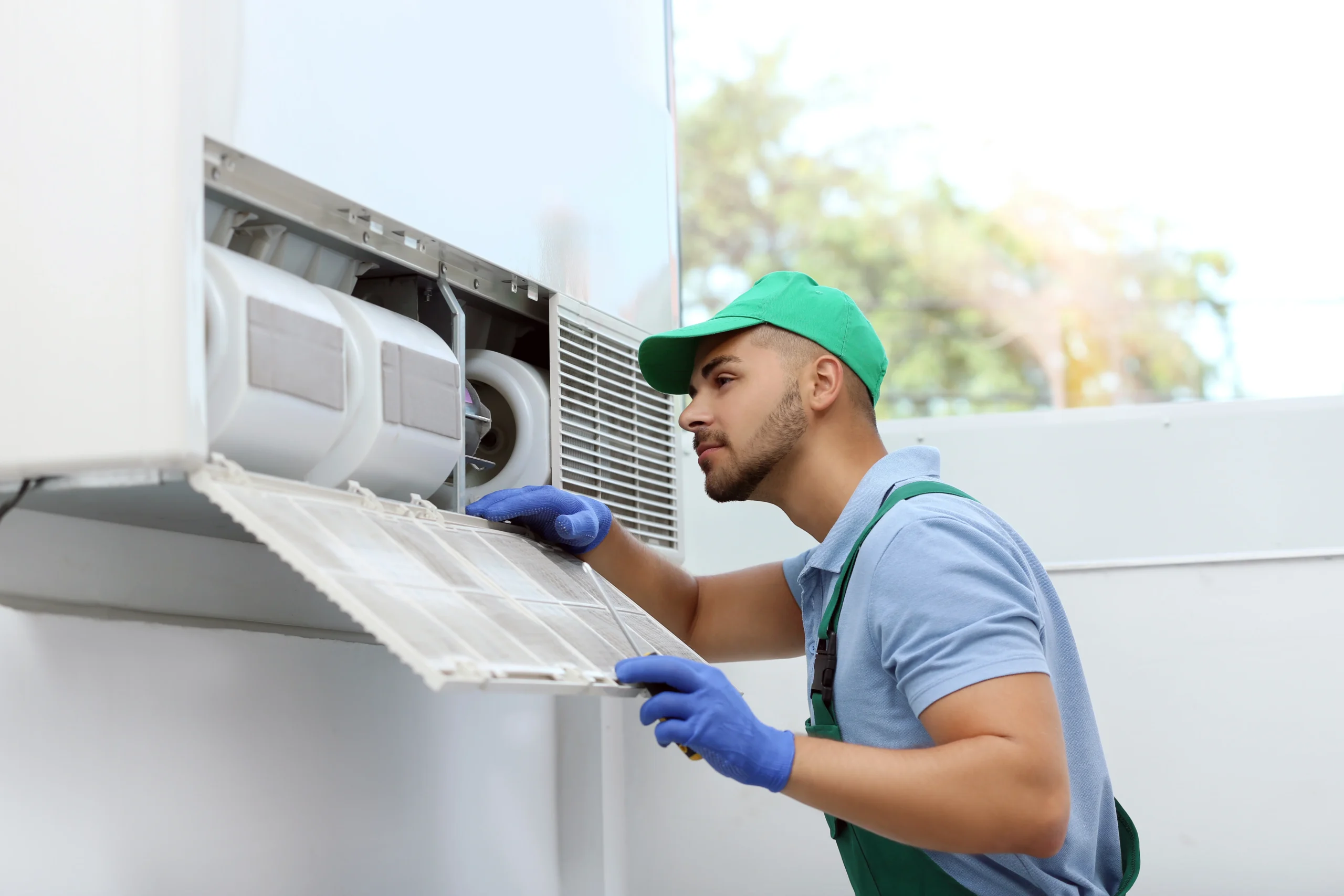
A technician arrives, tightens a connection, resets a switch, and the system fires back up within twenty minutes. It feels like a win. But three weeks later, the same problem returns, sometimes worse than before. That pattern is more common than most homeowners realize, and it points to a real difference between patching a symptom and actually fixing the cause.
Not every repair is created equal. Some address the root issue. Others simply buy time until the next breakdown, often at the worst possible moment.
Why Quick Fixes Happen So Often
Time pressure plays a big role. A homeowner without air conditioning in July wants relief immediately, not a lengthy diagnostic process. Some technicians respond to that pressure by treating the most obvious symptom and moving on to the next call.
There’s also a cost factor. A full diagnostic that traces a problem back to its actual source takes longer and sometimes costs more upfront than swapping a single part and hoping it holds. Reputable HVAC repair services avoid that shortcut, even when it means a longer visit.
The Hidden Cost of Repeated Quick Fixes
Every quick fix that doesn’t address the underlying cause adds wear somewhere else in the system. A capacitor gets replaced repeatedly without anyone checking why it keeps failing. A refrigerant leak gets topped off instead of located and sealed. The system limps along until a bigger, more expensive component finally gives out.
Homeowners often end up paying for the same repair multiple times across a year or two, which frequently costs more in total than one thorough diagnostic visit would have in the first place.
What a Thorough Diagnosis Actually Involves
A lasting repair starts with a technician asking why the failure happened, not just what failed. This usually means checking related components, not just the one showing obvious symptoms.
- Testing electrical connections throughout the system, not only the failed part
- Checking refrigerant levels and searching for leak points rather than simply recharging
- Reviewing airflow and static pressure to rule out ductwork contributing to the strain
- Inspecting for signs the system was undersized or oversized for the home originally
- Confirming the thermostat and control board are communicating correctly with the equipment
This kind of process takes longer than a single-part swap, but it dramatically reduces the odds of a repeat call.
Signs a Previous Repair Was Only a Temporary Patch
A few warning signs suggest an earlier repair addressed the symptom rather than the cause.
The Same Problem Returns Within Months
If a system needed the identical fix twice within a year, something upstream likely caused the original failure and was never addressed.
Efficiency Keeps Declining
A properly repaired system should perform close to its original efficiency. A steady decline after a repair often signals an unresolved issue elsewhere.
New Symptoms Appear Nearby
A repaired compressor followed by a failing capacitor a few months later can indicate voltage or electrical problems that were never fully investigated.
How Local Experience Shapes Repair Quality
A technician who has worked on hundreds of homes across a specific region starts to recognize patterns tied to local housing stock, common brands, and typical installation practices in that area. That pattern recognition speeds up accurate diagnosis considerably.
Hays has handled repairs across the Triangle since 1996, and that kind of long-term Durham HVAC experience means technicians often recognize a recurring issue on sight, rather than starting from scratch on every call. Decades of local service calls build a mental library that’s hard to replicate quickly.
Questions to Ask During a Repair Visit
A few direct questions can reveal whether a technician is treating the symptom or the source.
- What caused this specific part to fail in the first place?
- Are there related components that should be checked while the system is open?
- Is this a repair likely to hold long-term, or a temporary measure?
- What would prevent this issue from happening again?
- Should this repair be weighed against replacement given the system’s age?
A technician confident in the diagnosis should be able to answer all five clearly, without hedging.
When a Repair Isn’t the Right Call
Sometimes the most honest answer from a repair visit is that repair isn’t the best long-term option. An aging system with a history of repeated failures may cost more to keep patching than to replace outright.
A trustworthy technician lays out that comparison honestly, including the repair cost, the likely lifespan remaining, and the efficiency losses from an older unit. That transparency separates a lasting service relationship from a transactional one.
Building a Maintenance Habit That Prevents Repeat Calls
Regular maintenance catches small issues before they turn into failures requiring emergency repair. A loose electrical connection found during a routine check costs far less to fix than the same connection failing mid-summer during peak demand.
- Seasonal tune-ups before heavy heating and cooling months
- Filter checks on a consistent schedule
- Documentation of readings over time to catch gradual decline early
- Priority scheduling that gets ahead of small issues before they escalate
Systems maintained consistently tend to need fewer emergency repairs overall, and the repairs that do happen are usually smaller and less costly.
Frequently Asked Questions
How can I tell if a technician did a full diagnosis or just a quick fix?
Ask specifically what caused the failure. A vague answer or an immediate part swap without explanation is a warning sign.
Is it normal for HVAC repairs to fail again within a year?
No, a properly diagnosed and repaired issue should hold well beyond a year under normal use.
Does a longer diagnostic visit always cost more?
Sometimes upfront, but it typically saves money over time by avoiding repeat service calls for the same underlying issue.
When does repair no longer make financial sense compared to replacement?
Generally once repair costs approach half the price of replacement, or the system is beyond ten to twelve years old.
Can regular maintenance actually prevent most repair calls?
Not entirely, but it catches a large share of common failures early, before they turn into emergency situations.