What To Expect Before, During, and After a Procedure at a Colonoscopy Clinic?
A colonoscopy is a common procedure that allows a doctor to examine the inside of the large intestine and rectum....
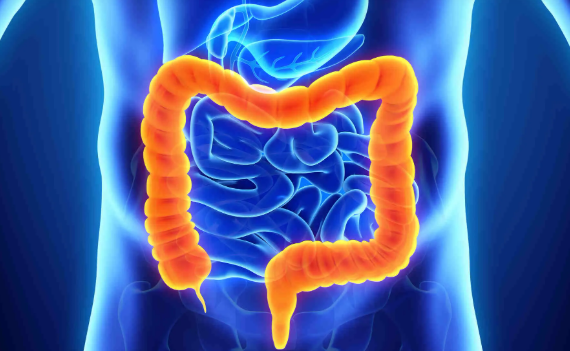
A colonoscopy is a common procedure that allows a doctor to examine the inside of the large intestine and rectum. It may be recommended to investigate bowel changes, abdominal symptoms, rectal bleeding, or other concerns. If you are considering a colonoscopy clinic Singapore, understanding the procedure can help you feel more prepared for your appointment.
Although the procedure itself is usually straightforward, the preparation and recovery are important parts of the experience. Knowing what happens at each stage can help you feel more comfortable and follow your doctor’s instructions properly.
Colonoscopy Preparation
Proper preparation is essential because the colon needs to be clear for the doctor to examine its lining. Your healthcare provider at a colonoscopy clinic Singapore will give you detailed instructions before the procedure, and following them closely can help ensure a clear view during the examination.
Bowel preparation usually involves taking a prescribed solution that causes frequent bowel movements. This helps clear stool from the colon. You may also need to change your diet before the procedure and avoid certain foods.
As the procedure approaches, you will generally need to follow fasting instructions. Your doctor will tell you when to stop eating and drinking. These instructions can vary depending on your individual circumstances, so always follow the guidance provided by your healthcare team.
Medication and Dietary Instructions
Some medicines may require special attention before a colonoscopy. This can include medicines that affect blood clotting and certain medications used to manage conditions such as diabetes.
Tell your doctor about all prescription medicines, over-the-counter medicines, and supplements you take. Do not stop or change prescribed medication unless your doctor tells you to do so.
You should also inform your doctor about allergies, existing health conditions, and any previous problems with sedation or anaesthesia. Providing complete information allows your healthcare team to plan the procedure appropriately.
The Colonoscopy Procedure
A colonoscopy uses a colonoscope, which is a long, flexible tube with a small camera attached to it. The doctor gently guides the instrument through the rectum and into the colon.
The camera sends images to a monitor, allowing the doctor to examine the lining of the large intestine for abnormalities. If a polyp or unusual area is found, the doctor may be able to remove the polyp or take a small tissue sample for further examination.
Medication may be provided to help you relax and remain comfortable during the procedure. The medical team will monitor you throughout the examination.
If sedation is used, you may feel sleepy afterward. For this reason, it is important to follow your doctor’s instructions regarding driving and arrange appropriate assistance getting home when required.
Recovery After the Procedure
After the colonoscopy, you will usually spend some time in a recovery area. This allows the medical team to monitor you while the effects of sedation wear off.
Feeling tired or slightly groggy can be normal if you received sedation. You may also experience temporary bloating, gas, or mild abdominal discomfort. These symptoms can occur because air or gas may be introduced into the colon during the examination.
Resting after the procedure can help you feel more comfortable. Follow any instructions given by your doctor about returning to work, driving, exercise, and other normal activities.
Eating and Drinking After Colonoscopy
Your doctor will let you know when you can resume eating and drinking. Once you are cleared to do so, you may gradually return to your usual diet if there are no specific dietary restrictions.
Some people prefer to begin with lighter foods and fluids, particularly if they feel slightly unsettled after the procedure. Staying hydrated can also be helpful after bowel preparation.
If a polyp was removed or a biopsy was performed, you may receive additional instructions about your diet and activities. Follow these instructions carefully rather than assuming that your normal routine can resume immediately.
Bowel Movements After Colonoscopy
Your bowel movements may temporarily change after a colonoscopy. This is expected because the bowel has been emptied during the preparation process.
You may notice that it takes some time for your usual bowel pattern to return. Mild changes in bowel movements can occur as you begin eating normally again.
If changes continue, become severe, or are accompanied by significant pain or bleeding, contact your healthcare provider for advice.
Conclusion
A colonoscopy involves more than the examination itself. Proper bowel preparation, dietary and medication instructions, the procedure, and post-colonoscopy recovery all play an important role.
Following your colonoscopy clinic Singapore healthcare provider’s instructions can help the process go more smoothly. Temporary bloating, gas, tiredness, and mild discomfort may occur after the procedure, while severe pain, persistent bleeding, fever, or other concerning symptoms should receive prompt medical attention. Understanding each stage can help you approach a colonoscopy with greater confidence and prepare properly for recovery.
FAQs
1. How long does a colonoscopy take?
The examination itself usually takes around 30 to 60 minutes, although you may need additional time for preparation and recovery, especially if sedation is used.
2. Can I eat normally after a colonoscopy?
You can usually return to eating once your doctor says it is safe. Starting with lighter foods and drinking enough fluids may feel more comfortable. Follow any specific dietary instructions provided after the procedure.
3. Is bloating normal after a colonoscopy?
Yes. Temporary bloating and gas are common after a colonoscopy because air or gas may be introduced into the colon during the examination. These symptoms usually improve as the gas passes.
4. How soon can I return to normal activities?
Your recovery time can vary depending on whether sedation or additional procedures were involved. Follow your doctor’s instructions about driving, work, exercise, and other activities.
5. When should I contact a doctor after a colonoscopy?
Seek medical advice if you experience severe or persistent abdominal pain, heavy or ongoing rectal bleeding, fever, dizziness, or other concerning symptoms after the procedure.