How Do You Choose Wedding Flowers That Photograph Beautifully?
Wedding photos last far longer than the flowers themselves, which makes color, texture, and structure choices matter more than most...
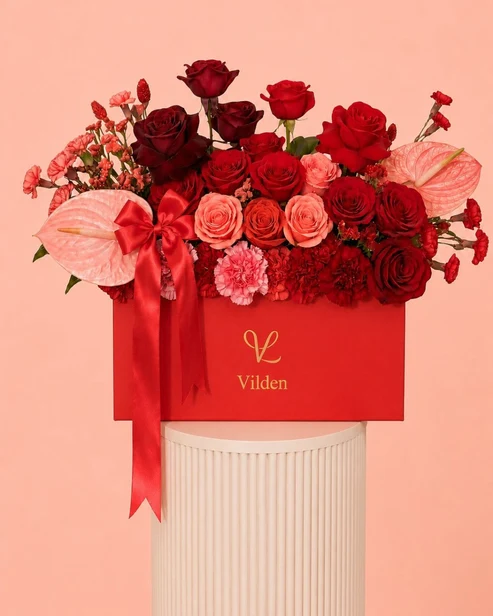
Wedding photos last far longer than the flowers themselves, which makes color, texture, and structure choices matter more than most couples initially realize. A bouquet that looks stunning in person can sometimes photograph flat under certain lighting, while a simpler design built with photography in mind can end up looking far more striking in the final album. Choosing wedding flower arrangements with photos in mind takes a slightly different approach than choosing purely for how something looks at first glance in a shop.
Lighting Changes How Color Reads on Camera
Natural light and artificial light render color very differently, and most weddings involve both across a single day. Soft pastels that look delicate outdoors in daylight can wash out almost completely under indoor reception lighting, disappearing into the background of a photo rather than standing out.
Deeper, more saturated tones tend to hold their color better across changing light conditions throughout the day. This does not mean pastels should be avoided entirely, but it does mean pairing them with at least a few deeper accent tones for balance and definition.
Texture Matters as Much as Color
Flat, single-toned arrangements can look surprisingly plain in photographs, even when they look lovely to the naked eye in person. Texture creates visual interest and depth, which translates far better through a camera lens than color variation alone.
- Ranunculus and peonies add layered, dimensional petals that catch light beautifully
- Trailing greenery like amaranthus adds movement, which photographs especially well in outdoor settings
- Textured filler like astilbe or veronica breaks up solid color blocks without looking cluttered
A design built with at least two or three different textures tends to hold up far better across a full day of photography than one relying on a single flower type throughout.
Structure and Shape for the Camera
The overall shape of an arrangement affects how it reads in both close-up shots and wider group photos. Tight, rounded designs photograph as compact and formal, working well for structured, traditional weddings. Looser, more cascading shapes photograph as relaxed and romantic, suiting outdoor or garden-style ceremonies far better than a rigid round shape would.
Sizing for Different Shot Types
Close-up detail shots and full-length portrait shots require slightly different considerations, since scale reads differently depending on the framing.
- Detail shots favor arrangements with visible texture and layered petals up close
- Full-body portraits favor arrangements sized proportionally to the person holding them
- Group photos favor simpler, less busy designs that do not compete visually with multiple people in frame
Contrast Against the Dress and Venue
White and ivory arrangements can occasionally blend into a white wedding dress under certain lighting, reducing visual separation in photos. Adding even a small amount of contrast, whether through deeper greenery or a touch of blush or color, helps flowers stand out clearly rather than disappearing against fabric.
Venue backdrops matter here too. A garden setting with heavy greenery calls for slightly bolder colors to avoid the flowers blending into the background, while a minimalist indoor venue can support softer, more neutral floral arrangements without losing definition.
Seasonal Considerations for Photography
Season affects both flower availability and the quality of natural light available for outdoor shots. Spring and summer weddings benefit from longer daylight hours, giving more flexibility with softer color palettes. Fall and winter weddings, with shorter days and cooler light tones, often benefit from warmer, richer floral colors that counterbalance the naturally cooler ambient light.
The Golden Hour Effect on Floral Tones
Photographers often build a portion of the wedding day timeline around golden hour, the stretch shortly before sunset when light turns soft and warm. Flowers photographed during this window tend to take on a slight golden cast, which can shift how certain colors read compared to earlier in the day.
Pale yellows and warm ivories tend to glow beautifully during this window, while cool blues or icy whites can occasionally look slightly muted by comparison. Couples planning key portrait shots around golden hour may want to lean toward warmer floral tones for that specific portion of the day.
Working With a Florist Who Gets Photography
Not every florist thinks about camera performance the same way a photographer does, so it helps to raise the topic directly during planning conversations rather than assuming it has already been considered. A florist experienced with wedding work can usually speak to how specific varieties have performed in past ceremonies under similar lighting.
- Ask to see past wedding photos, not just studio shots, to gauge real-world camera performance
- Mention the wedding venue and rough ceremony time so lighting conditions can be factored in early
- Bring fabric swatches from the dress and suits so tones can be compared side by side
A Few Practical Steps Before Committing
A short planning process before finalizing floral choices helps avoid surprises once the actual photos come back from the photographer.
- Request sample photos of similar arrangements taken under lighting conditions similar to the venue
- Ask the florist how the chosen flowers typically hold color across a full day
- Coordinate flower tones with the dress, suits, and overall venue palette before finalizing the order
Taking these steps early prevents the common regret of loving an arrangement in person while feeling disappointed once photos arrive weeks later.
Final Thoughts
Choosing wedding flowers that photograph beautifully comes down to balancing colour, texture, structure, and seasonal availability while considering your venue and lighting. Working with an experienced florist can help ensure every arrangement looks just as beautiful in your wedding photos as it does on the day itself. If you’re planning your wedding locally, a trusted flower delivery Cupertino service can also make it easier to receive fresh, professionally designed floral arrangements that complement your celebration and create lasting memories
Frequently Asked Questions
1. Do pastel flowers always photograph poorly?
Not always, but they need strong lighting and ideally a few deeper accent tones nearby to avoid looking washed out.
2. Should indoor and outdoor weddings use different floral colors?
Generally yes. Indoor lighting tends to favor richer tones, while outdoor natural light supports a wider color range.
3. far in advance should wedding flowers be finalized?
Most florists recommend confirming final selections about six to eight weeks before the wedding date for accuracy.
4. Do greenery-heavy arrangements photograph well?
Yes, particularly in outdoor or garden settings, where greenery adds texture and helps flowers stand out naturally.
5. Is it worth requesting a trial arrangement before the wedding?
It can be, especially for larger budgets, since seeing a sample under similar lighting reduces the risk of surprises later.