Labubu: The Mischievous Icon of Modern Designer Toy Culture
In the ever-evolving world of designer toys, few characters have managed to capture global attention quite like Labubu. At first...
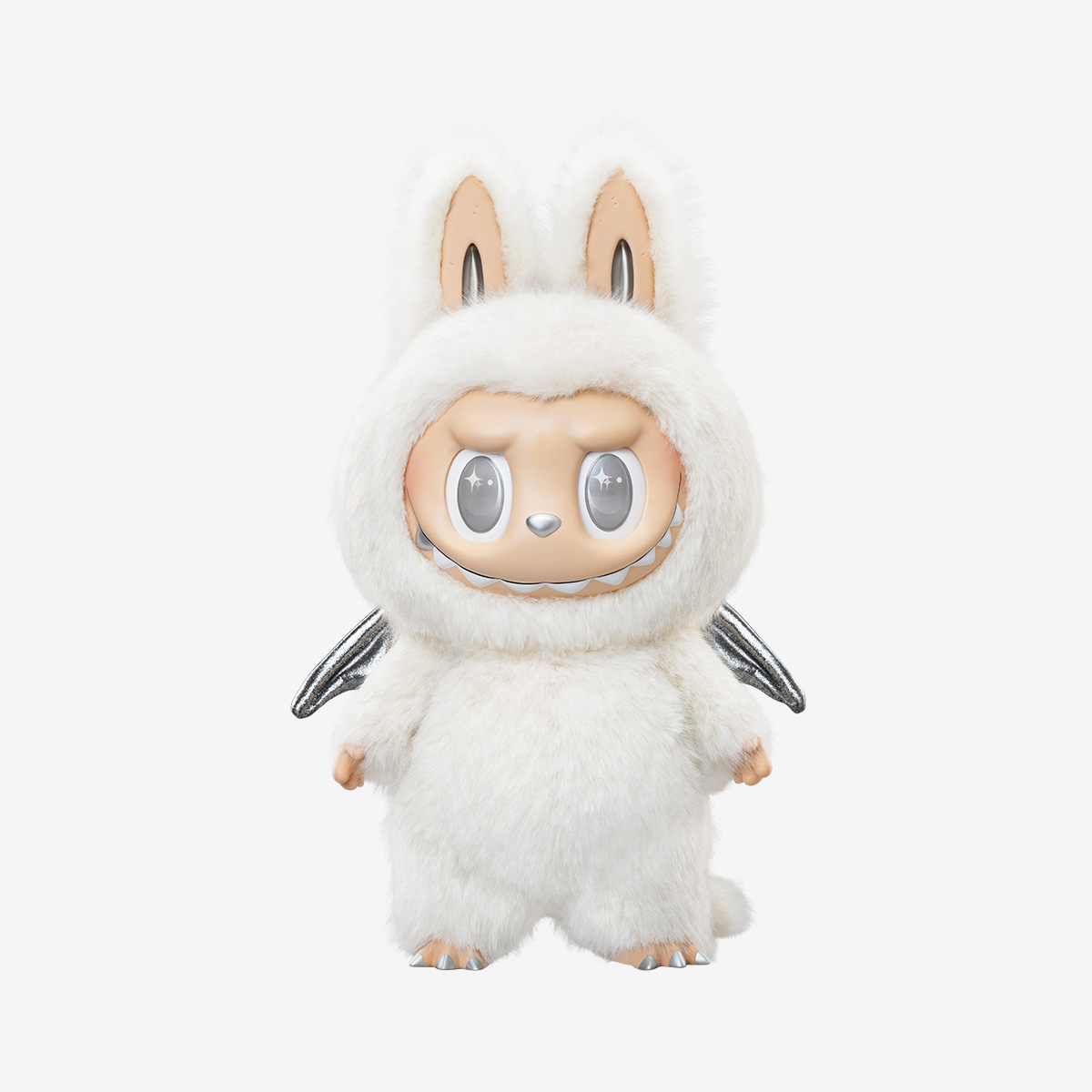
In the ever-evolving world of designer toys, few characters have managed to capture global attention quite like Labubu. At first glance, Labubu appears simple: a small, elf-like creature with sharp teeth, wide expressive eyes, and a mischievous grin that seems to carry a secret. Yet beneath this playful exterior lies a complex blend of artistic storytelling, emotional symbolism, and cultural resonance that has turned Labubu into far more than just a collectible figure.
Created by artist Kasing Lung and popularized globally through Pop Mart, Labubu has become a defining character in the blind box toy revolution. What makes it remarkable is not just its design, but the emotional connection it builds with collectors across the world. Labubu is not simply a toy; it is a personality, a mood, and for many, a reflection of imagination itself.
The Origin Story: Where Labubu Was Born
Labubu originates from The Monsters, a whimsical fantasy universe created by Kasing Lung. This universe is filled with strange, fairy-tale-like creatures that blur the line between cute and eerie. Labubu stands out as one of its most recognizable characters, embodying a playful contradiction: innocent yet chaotic, cute yet slightly unsettling.
Unlike traditional toy characters designed purely for mass appeal, Labubu was born from an artist’s deeply personal visual language. Kasing Lung’s background in illustration and storytelling allowed him to construct a world where imperfections are not flaws but essential traits of identity. Labubu’s crooked teeth, wild hair, and exaggerated expressions reflect this philosophy. It is a character that feels alive because it is not overly polished or sanitized.
When Pop Mart introduced Labubu to the global collectible market, the character quickly gained traction. The blind box format—where buyers do not know which version they will receive—added an element of surprise and emotional excitement that aligned perfectly with Labubu’s unpredictable nature.
Design Philosophy: Beauty in Imperfection
One of the most fascinating aspects of Labubu is its design philosophy. In a world dominated by perfect symmetry and polished aesthetics, Labubu embraces imperfection as its core identity. Its sharp teeth are not meant to be scary; instead, they represent playful mischief. Its wide eyes suggest curiosity, but also a hint of chaos. Every detail is intentionally designed to evoke mixed emotions.
This balance between cute and eerie is what makes Labubu stand out in the designer toy industry. It challenges the conventional idea that “cute” must always mean soft and harmless. Instead, Labubu introduces a more nuanced emotional spectrum where innocence and unpredictability coexist.
Collectors often describe Labubu as having “personality energy,” meaning that each figure feels like it carries its own mood. Whether it is a sleepy Labubu, a pirate-themed Labubu, or a festive edition, each variation preserves the character’s core identity while exploring new emotional expressions.
The Rise of Blind Box Culture
The global popularity of Labubu cannot be separated from the rise of blind box culture. Blind boxes are sealed packages containing random collectible figures, and the excitement lies in not knowing which version you will get until it is opened.
Pop Mart played a major role in turning this concept into a worldwide phenomenon. Labubu became one of its flagship characters, helping to drive massive demand across Asia, Europe, and beyond.
The psychological appeal of blind boxes is deeply tied to anticipation and surprise. Collectors often describe the experience as emotionally addictive—not in a negative sense, but in a way that brings joy, curiosity, and even nostalgia. Opening a Labubu blind box is not just about acquiring a figure; it is about experiencing a moment of suspense followed by emotional release.
This system also encourages community interaction. Fans trade duplicates, discuss rare editions, and showcase their collections online. Labubu has therefore become both a personal collectible and a social connector.
Cultural Impact: From Niche Collectible to Global Icon
Labubu journey from a niche art toy to a global cultural icon is a reflection of how modern pop culture evolves. What once existed in small art exhibitions and designer toy fairs is now part of mainstream collectible culture.
Social media platforms have played a crucial role in this transformation. Instagram, TikTok, and collector forums are filled with Labubu unboxings, shelf displays, and custom photography setups. The character’s expressive design makes it highly photogenic, allowing collectors to create storytelling scenes that feel alive and imaginative.
Interestingly, Labubu appeals to a wide demographic. While many designer toys target adult collectors, Labubu attracts both younger audiences and seasoned art toy enthusiasts. Its universal emotional appeal transcends age, language, and cultural barriers.
The Psychology Behind Labubu’s Appeal
At a deeper level, Labubu resonates because it taps into complex psychological themes. Its design evokes a sense of “controlled chaos,” which many people find relatable in today’s fast-paced world. Life is rarely perfect or predictable, and Labubu reflects that reality in a playful way.
There is also an element of emotional projection. Because Labubu’s expressions are open to interpretation, collectors often assign their own feelings to it. A mischievous grin might feel playful to one person and comforting to another. This flexibility allows the character to become emotionally personalized.
Additionally, the blind box system reinforces dopamine-driven anticipation. The uncertainty of what version will be inside creates excitement, while the reveal provides satisfaction. This cycle enhances the emotional bond between collector and object.
Artistic Interpretation: More Than Just a Toy
From an art perspective, Labubu can be seen as a commentary on modern identity. It represents the idea that individuals are not one-dimensional. Just like Labubu’s many expressions, people carry different moods, contradictions, and emotional layers.
Kasing Lung’s artistic vision emphasizes storytelling through form. Each Labubu variation is not just a redesign but a narrative fragment. Whether dressed as a forest creature, a seasonal character, or a fantasy explorer, Labubu always retains its core identity while exploring new visual metaphors.
This makes Labubu part of a broader movement in contemporary art toys, where figures are not static objects but evolving characters within a shared universe.
Global Expansion and Market Influence
The success of Labubu has also had a significant impact on the designer toy market. Pop Mart has expanded aggressively into international markets, opening stores in major cities and collaborating with global artists.
Labubu’s popularity has contributed to the normalization of collectible art toys as a mainstream hobby. What was once considered a niche interest is now a billion-dollar industry driven by design innovation, storytelling, and community engagement.
Limited editions and rare variants of Labubu often become highly sought-after items in secondary markets, sometimes selling for many times their original price. This scarcity model has further intensified collector enthusiasm.
Criticism and Collector Challenges
Despite its success, Labubu and the blind box system are not without criticism. Some argue that blind box mechanics encourage excessive spending due to unpredictability. Others believe that the hype around rare editions can overshadow the artistic value of the toys themselves.
There is also ongoing discussion about commercialization. As Labubu becomes more globally recognized, some long-time fans worry that mass production could dilute its original artistic essence.
However, supporters argue that widespread popularity does not necessarily diminish artistic integrity. Instead, it allows more people to engage with designer toy culture and appreciate its creative depth.