
Why Audio Quality Is the Most Important Part of Any Conference Setup and How Tech Helps
Have you ever been in a meeting where you could see people talking, but you could not really hear them...
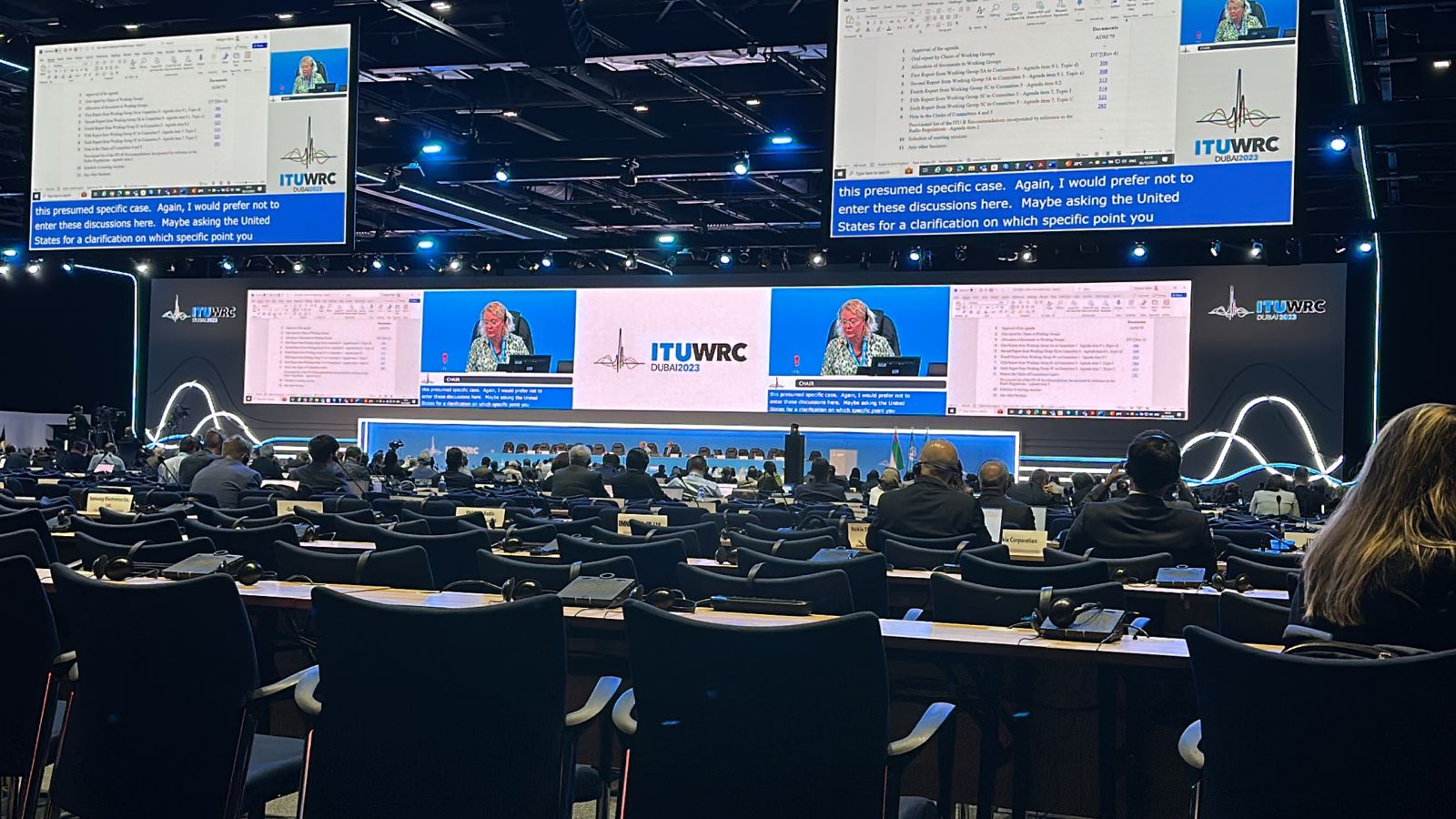
Have you ever been in a meeting where you could see people talking, but you could not really hear them properly? You keep missing words, and slowly you stop paying attention. That small problem changes everything, right? That is exactly why audio quality matters so much in any conference setup.
If you and I were sitting in the same room planning something important, what would matter more, fancy screens or clear sound? The answer is simple. Sound wins every time. Because if you cannot hear, you cannot understand. And if you cannot understand, nothing else matters.
So let’s talk about this in a very simple way. No heavy words. Just real talk about why audio is the backbone of every meeting and how technology makes it better for you.
If You Cannot Hear, You Cannot Participate
Think about this. You are in a meeting and someone is explaining something important. But the voice is low, or breaking, or echoing. What happens? You start guessing. You lean forward. You ask people to repeat again and again. Slowly, you stop feeling part of the discussion.
This is the real problem with bad audio. It does not just affect hearing. It affects participation. You stop contributing because you are busy trying to understand basic words. In many cases, companies even depend on conference equipment rental services just to make sure their meeting setup has proper sound tools, because they know how badly poor audio can affect results.
Now flip it. When the sound is clear, you relax. You listen. You think. You respond. That is how real communication should feel. Smooth and natural, not stressful.
So if you ever wondered why companies invest so much in audio systems, this is the reason. It keeps everyone involved.
Bad Sound Quietly Ruins Good Meetings
Let’s be honest here. A meeting can look perfect from the outside. Big screen, smart slides, good seating. But if the sound is bad, the whole thing falls apart.
You know what usually happens?
People start asking, “What did they say?”
Others start looking confused.
Some just stop listening completely.
And the worst part is, nobody always notices it immediately. It slowly builds confusion.
Bad audio is like a weak internet connection during an important video call. Everything feels broken even if the content is good. That is why fixing sound is always the first priority in any conference setup.
Microphones Are Your Voice Lifters
Now let’s talk about something you see in every conference room, microphones.
Think of microphones as helpers that carry your voice to everyone else. Without them, only people sitting near you can hear. That is not fair in a meeting, right?
Modern microphones do more than just “make sound louder.” They are smart. They focus on your voice and reduce unwanted noise around you. So even if someone is typing, moving chairs, or there is air conditioning noise, your voice still comes through clearly.
And there are different types too. Some stay on the table. Some are wireless. Some even turn on only when you speak.
The goal is simple. No matter where you sit or how softly you speak, your voice should reach everyone clearly. That is what makes meetings balanced.
Speakers Make Sure Everyone Hears the Same Thing
Now imagine the microphone has done its job. Your voice is captured. But how does everyone else hear it properly? That is where speakers come in.
Speakers are like sound distributors. They spread your voice across the entire room. Not just the front row, not just one corner, but everywhere.
If speakers are not placed properly, something funny happens. People in one corner hear too loud, and others struggle to hear at all. That creates imbalance and confusion.
Good conference speakers fix that. They make sure sound is equal everywhere. So whether you are sitting close or far, you hear the same thing at the same level.
That is what makes a room feel connected. Everyone hears together. Everyone understands together.
Noise Is the Silent Problem You Don’t Notice First
Let’s talk about something that most people ignore. Background noise.
You may not notice it at first. A fan running. A chair moving. Someone typing. Outside traffic. But all of this adds up.
And suddenly, you are struggling to hear the main speaker.
Modern conference systems handle this smartly. They reduce background noise and focus only on human voices. So instead of hearing everything, you hear only what matters.
It feels cleaner. It feels easier. And most importantly, it saves your energy. You don’t have to “try hard” to understand anymore.
Wireless Systems Make Life Easier for You
Now picture a room full of wires everywhere. Cables on tables. Cables on floors. It feels messy, right?
That is why wireless systems are such a big upgrade.
Wireless microphones and speakers remove that clutter. You don’t need to plug and unplug things again and again. You can move freely. You can speak naturally.
It also saves time before meetings. You just switch things on, and you are ready to go.
For you as a user, this means less stress and more focus on the actual meeting, not the setup.
Smart Audio Systems Are Like Silent Helpers
Now here is where things get interesting. Modern event technology rental is becoming smart.
They can adjust sound automatically. If someone speaks softly, they increase the volume. If there is noise, they reduce it. If many people are speaking, they help organize the sound so it does not become messy.
Some systems even focus on the person speaking at that moment. So you don’t hear random sounds, only the important voice.
Think of it like a silent helper in the room. It fixes sound problems without you even noticing.
Conclusion
So let’s bring it all together.
If you remember one thing from this, remember this. Audio is not just a technical part of a conference setup. It is the main thing that decides whether people understand each other or not.
You can have the best slides, the best room, and the best speakers. But if sound is not clear, the meeting fails.
Good audio helps you listen without stress. It helps you speak without repeating. It helps everyone stay connected.
And with modern tools like microphones, speakers, noise control, wireless systems, and smart technology, meetings today are much easier than before.
At the end of the day, clear sound simply means one thing for you. No confusion. No guessing. Just clear communication.
FAQs
1. Why is audio more important than video in a conference setup?
Because video shows you what is happening, but audio tells you what is being said. If you cannot hear clearly, you miss the message completely, even if the video is perfect.
2. What is the biggest problem caused by poor audio in meetings?
The biggest problem is confusion. People misunderstand information, keep asking for repetition, and lose focus. This slows down the whole meeting.
3. Do wireless conference systems really improve audio quality?
Yes, they do. Wireless systems reduce cable issues, make setup easier, and work smoothly with modern microphones and speakers, which helps keep sound clear and stable.