
Treating Sickle Cell Anemia in Adults: Challenges and Solutions
Sickle cell anemia is a lifelong genetic blood disorder that affects how red blood cells carry oxygen through the body....
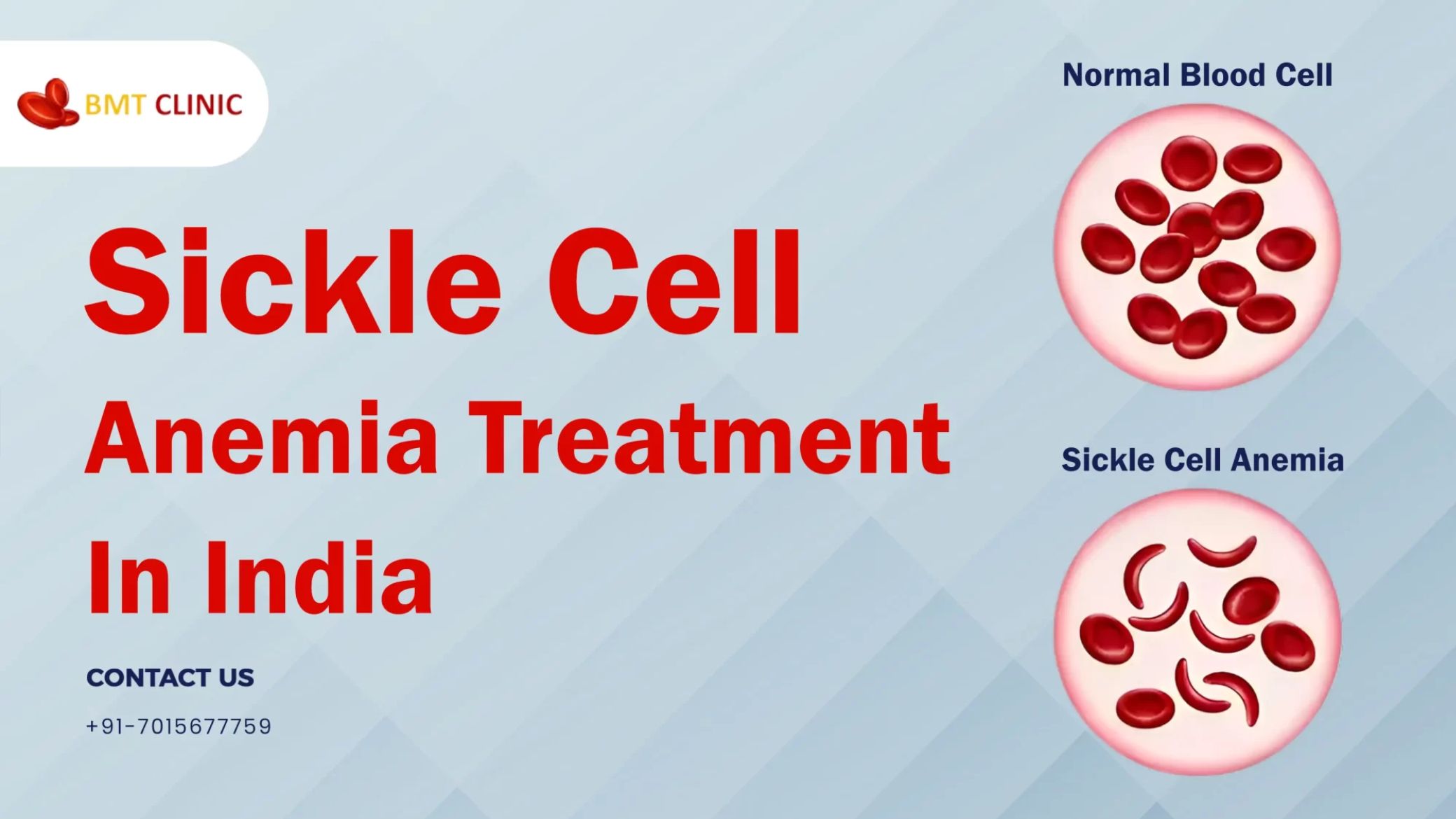
Sickle cell anemia is a lifelong genetic blood disorder that affects how red blood cells carry oxygen through the body. Instead of being round and flexible, the red blood cells become sickle-shaped, stiff, and sticky. This causes them to block blood flow, leading to pain, infections, organ damage, and fatigue. While the condition starts at birth, managing sickle cell anemia in adulthood comes with its own unique challenges.
This article explains those challenges and the solutions available today, using clear and simple language.
Challenges of Treating Sickle Cell Anemia in Adults
1. Chronic Pain and Fatigue
One of the biggest challenges adults face is ongoing pain. Pain crises can happen suddenly and may last for hours or even days. Over time, repeated pain episodes can affect work, relationships, mental health, and overall quality of life. Constant fatigue is also common, making daily activities harder.
2. Organ Damage Over Time
As people with sickle cell anemia age, repeated blockage of blood vessels can damage vital organs such as the kidneys, lungs, heart, and liver. Adults are more likely than children to develop complications like stroke, pulmonary hypertension, or kidney disease.
3. Increased Risk of Infections
Even in adulthood, people with sickle cell anemia remain vulnerable to infections. A weakened immune system and damage to the spleen make it harder for the body to fight bacteria, which can lead to serious illnesses if not treated quickly.
4. Emotional and Mental Health Struggles
Living with a chronic illness can be emotionally draining. Adults with sickle cell anemia may experience anxiety, depression, or feelings of isolation, especially if they struggle with frequent hospital visits or limitations at work.
5. Access to Specialized Care
Many adults find it difficult to access doctors who specialize in sickle cell care. Transitioning from pediatric to adult healthcare systems can be challenging, and not all hospitals are well-equipped to manage complex sickle cell cases.
Solutions and Treatment Options
Despite these challenges, there are many effective ways to manage sickle cell anemia in adults and improve quality of life.
1. Medications
Several medications help reduce symptoms and complications. Hydroxyurea is commonly used to lower the frequency of pain crises and improve blood flow. Newer drugs help prevent red blood cells from sticking together or breaking down too quickly.
2. Pain Management Plans
Pain is treated using a combination of home care and medical support. This may include hydration, rest, heat therapy, and prescribed pain medications. A personalized pain management plan helps adults recognize early signs of a pain crisis and act quickly.
3. Blood Transfusions
Regular or occasional blood transfusions can help increase healthy red blood cells and reduce the risk of stroke or severe anemia. Doctors carefully monitor patients to prevent complications such as iron overload.
4. Preventive Care
Preventive care plays a major role in treatment. This includes vaccinations, regular health checkups, screening for organ damage, and early treatment of infections. Healthy habits like drinking enough water, avoiding extreme temperatures, and managing stress also help reduce complications.
Cost and Long-Term Planning
Managing sickle cell anemia requires long-term planning, including financial preparation. Treatment costs may include medications, hospital visits, lab tests, and emergency care. Many patients and families seek information about Sickle cell anemia treatment cost in India to better plan for ongoing care and explore affordable treatment options.
Advanced and Curative Treatments
1. Bone Marrow Transplant
A bone marrow or stem cell transplant is currently the only known cure for sickle cell anemia. However, it is usually recommended for severe cases and requires a matching donor. The procedure carries risks and may not be suitable for everyone.
2. Gene Therapy (Emerging Option)
Gene therapy is a newer approach that aims to fix or replace the faulty gene causing sickle cell anemia. While still developing, it shows promising results and may become more widely available in the future.
Living Well with Sickle Cell Anemia
Treatment is not just about medications. Emotional support, counseling, patient education, and support groups play a big role in helping adults live fulfilling lives. With proper care, many adults with sickle cell anemia can work, raise families, and enjoy meaningful daily activities.
Also know: Best Hemato-Oncologist In India
Final Thoughts
Treating sickle cell anemia in adults is complex, but steady progress in medicine has made management more effective than ever before. Early intervention, regular follow-ups, and a supportive healthcare team can make a significant difference. While challenges remain, the right combination of medical treatment, lifestyle care, and emotional support offers real hope for better health and a better future.