
Newborn Screening Test: Why Early Detection Is Crucial for a Baby’s Long-Term Health
Introduction The first few days after a baby is born are full of emotions, learning, and adjustments. In the middle...
Introduction
The first few days after a baby is born are full of emotions, learning, and adjustments. In the middle of all this, doctors often recommend a newborn screening test, and many parents agree without fully understanding why it matters.
This test may look routine, but it plays a powerful role in protecting a baby’s future health. By catching certain conditions early—often before symptoms appear—it gives babies the best possible start in life.
What Is a Newborn Screening Test?
A newborn screening test is a set of medical checks done shortly after birth to look for rare but serious health conditions.
These conditions aren’t usually visible at birth. A baby may look perfectly healthy while an underlying issue slowly develops. Screening helps identify those problems early, when treatment is most effective.


When Is the Test Done?
In most cases, screening is performed within the first 24 to 72 hours after birth.
The timing is important. Waiting too long may delay treatment, while testing too early may affect accuracy. Hospitals usually handle the timing automatically, so parents don’t need to worry about scheduling.
How Is the Newborn Screening Test Performed?
The process is simple and quick.
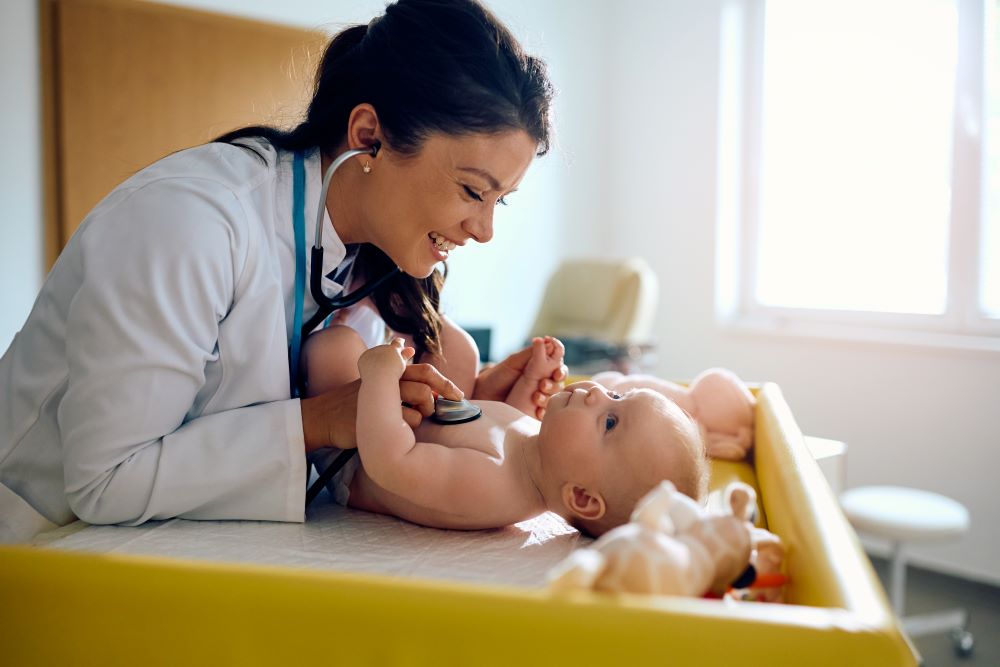
A few drops of blood are taken from the baby’s heel using a tiny prick. The blood is placed on special filter paper and sent to a lab for analysis.
Some screening programs also include:
- Hearing tests
- Pulse oximetry (to check heart health)
The discomfort is minimal and brief, similar to a routine vaccination.
What Conditions Does Newborn Screening Check For?
The exact conditions screened can vary, but the goal is the same everywhere: detect problems that benefit from early treatment.
Metabolic Disorders
These affect how the body processes food into energy. Without treatment, they can cause serious complications.
Hormonal Conditions
Some babies are born with hormone-related issues that affect growth and development if untreated.
Blood Disorders
Certain inherited blood conditions can lead to anemia, infections, or other long-term problems.
Hearing and Heart Conditions
Early hearing loss or critical heart defects can affect speech, learning, and overall development if not addressed quickly.
The newborn screening test focuses on conditions where early action truly changes outcomes.
Why Early Detection Makes Such a Big Difference
Early detection is the main reason newborn screening exists.
Many screened conditions don’t show symptoms until damage has already occurred. By identifying them early, doctors can begin treatment before complications develop.
In some cases, early treatment:
- Prevents intellectual disability
- Avoids life-threatening emergencies
- Supports normal growth and development
This is why screening is considered preventive care, not just testing.
What Happens If a Screening Result Is Abnormal?
An abnormal result doesn’t mean your baby is sick.
It means further testing is needed to confirm or rule out a condition. Many babies with abnormal screens turn out to be perfectly healthy after follow-up tests.
Doctors and pediatric specialists guide parents through each step, explaining results and next actions clearly.
Is the Newborn Screening Test Mandatory?
In many hospitals, newborn screening is strongly recommended and sometimes legally required. Parents usually have the option to decline, but doctors encourage testing because of its proven benefits.
The newborn screening test is designed to protect the child, not to add unnecessary medical steps.
Safety and Accuracy of the Test
The test is extremely safe. It uses a small blood sample and non-invasive checks.
Accuracy has improved significantly over the years, but no screening test is perfect. That’s why confirmatory testing exists—to ensure babies receive the right care without unnecessary treatment.
Cost and Accessibility
In many healthcare settings, newborn screening is included as part of standard postnatal care. When charged separately, the cost is usually low compared to the lifelong impact of untreated conditions.
Public health programs often support or fully cover the test, making it accessible to most families.
Common Myths About Newborn Screening
Some parents worry that screening will label their baby unnecessarily or cause stress.
In reality, screening is about prevention, not diagnosis. It opens the door to early support, not long-term labeling.
Another myth is that no symptoms mean no problem. Many screened conditions are silent at first, which is exactly why testing matters.
How Parents Can Prepare
There’s very little parents need to do.
Ask your healthcare provider:
- What conditions are included in the screening
- How and when results will be shared
- What steps follow if results need review
Being informed helps reduce anxiety and builds confidence in the process.
FAQs
Does the newborn screening test hurt the baby?
The heel prick may cause brief discomfort, but it lasts only a moment and doesn’t cause lasting pain.
How long does it take to get results?
Results are usually available within one to two weeks, depending on the hospital and lab.
Can screening detect all genetic conditions?
No. It focuses only on conditions where early treatment makes a meaningful difference.
What if my baby is born at home?
Screening can still be arranged through a pediatrician or local health facility.
Conclusion
The newborn screening test is one of the most effective early health checks a baby can receive. It quietly protects a child’s future by identifying risks before they become problems.
For parents, it offers reassurance. For babies, it offers opportunity. A few drops of blood and a simple check can make a lifelong difference—one that many families never see, but always benefit from.