The Ultimate Cashmere Wool Scarf Guide: Luxury You Can Wear
Let’s be honest for a second. Is there anything worse than that itchy, scratchy feeling of a cheap scarf against...
Let’s be honest for a second. Is there anything worse than that itchy, scratchy feeling of a cheap scarf against your neck when the temperature drops? You spend half your commute adjusting it and the other half dreaming of summer.
It doesn’t have to be that way.
Enter the cashmere wool scarf. It’s not just a winter accessory; it’s the difference between merely surviving the British winter and actually enjoying it. Whether you are battling the wind on the Tube or heading out for a crisp weekend walk in the countryside, cashmere is the gold standard of comfort.
But not all wool is created equal. Today, we’re ditching the itch and diving into why a proper cashmere scarf is the smartest investment you’ll make for your wardrobe this year.
Quick Takeaways: Why Cashmere Wins
- Unmatched Softness: The fibres are much finer than sheep’s wool, eliminating the “itch factor.”
- Thermoregulation: It keeps you warm without making you sweat—perfect for transitioning from outdoors to a heated office.
- Longevity: High-quality cashmere doesn’t pill instantly; it lasts for years with proper care.
- Sustainable Choice: Gobi Cashmere is sourced directly from Mongolian herders, ensuring ethical practices.
The Science of Soft: Cashmere vs. Regular Wool
You might be thinking, “Is there really that much of a difference?”
In a word: Yes.
Regular wool comes from sheep. It’s sturdy and warm, sure, but the fibres are often coarse, having distinct scales that snag on your skin. That’s what causes that prickly sensation.
Cashmere, on the other hand, isn’t wool in the traditional sense. It comes from the soft undercoat of goats—specifically, Hircus goats found in the freezing climates of Mongolia. To survive temperatures that plummet to -40°C, these goats grow a fleece that is incredibly fine and insulating.
Here is the breakdown of why your neck will thank you:
| Feature | Regular Wool Scarf | Cashmere Wool Scarf |
| Fibre Diameter | 20-30+ microns (Coarse) | 14-19 microns (Ultra-fine) |
| Feel | Often scratchy or stiff | Buttery soft, almost fluid |
| Warmth | Good insulation | 3x more insulating than sheep’s wool |
| Weight | Can feel heavy and bulky | Lightweight and breathable |
When you wrap a cashmere wool scarf around you, you aren’t just adding a layer; you’re adding high-performance insulation that feels like a hug.
Why “Mongolian” Matters
You’ll see cashmere sold everywhere these days, from high-end boutiques to petrol stations. But be warned: location matters.
Mongolia produces some of the world’s finest cashmere. Why? It comes down to nature. The harsher the climate, the finer the goat’s undercoat grows to protect them. Because the Mongolian steppes are unforgivingly cold, the cashmere harvested there is denser and longer than cashmere from warmer regions.
At Gobi Cashmere, we don’t just buy from middlemen. We work with the herders. This means the scarf you buy is 100% traceable. No fillers, no synthetic blends hiding in the fine print—just pure, luxurious fibre.
Pro Tip: Always check the label. If it says “Cashmere Blend” with only 5% cashmere, you’re paying for the word, not the warmth. Stick to 100% cashmere for the real experience.
Styling Your Scarf: From Commute to Cocktails
One of the biggest myths about cashmere is that it’s “too fancy” for daily wear. That’s nonsense. A great scarf is a workhorse accessory.
1. The Classic Loop (The “Parisian”)
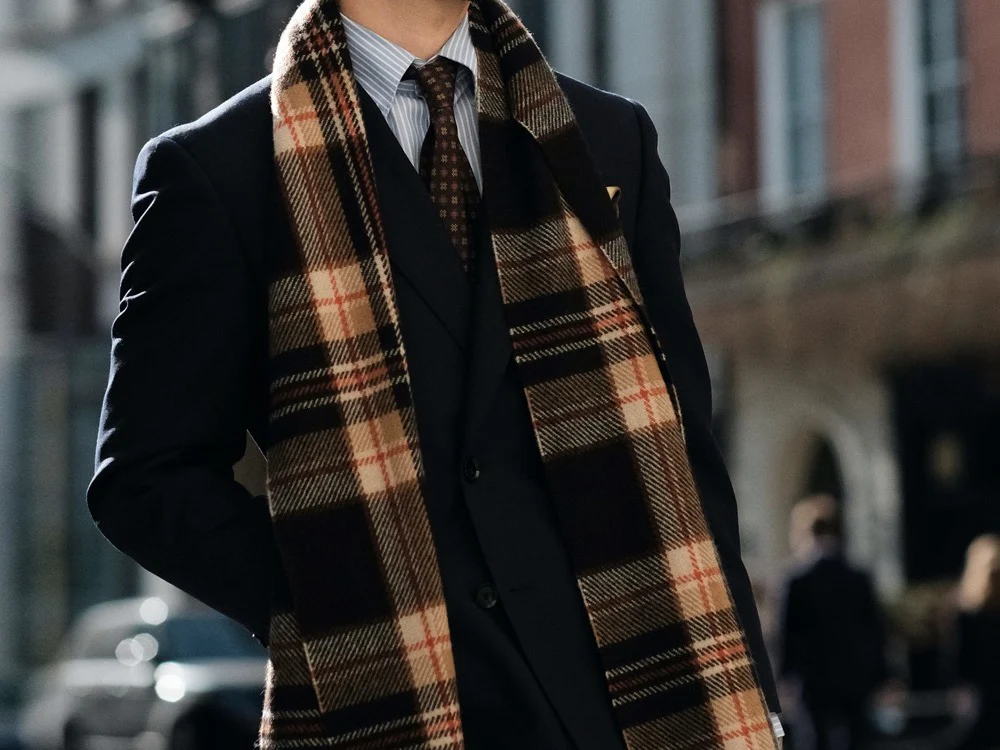
Fold your scarf in half lengthways. Drape it around your neck and pull the loose ends through the loop. This locks in heat and looks sharp with a structured wool coat or a blazer.
2. The Casual Toss
Ideal for those oversized, blanket-style scarves. Drape it unevenly around your neck and toss the longer end over your opposite shoulder. It’s effortless and looks great with a leather jacket or a chunky knit jumper.
3. The Knot
Wrap the scarf once around your neck, then tie the two ends in a loose knot at the chest. This is perfect for windy days when you need your scarf to stay put while you juggle a coffee and your phone.
Caring for Your Investment
A common fear is ruining a nice scarf in the wash. Don’t panic—cashmere is actually quite resilient if you treat it with respect.
- Skip the Dry Cleaner: You don’t always need to dry clean. Hand washing is often better.
- Cool Water Only: Use lukewarm water and a dedicated wool detergent or baby shampoo.
- Do Not Wring: Never twist the fabric. Gently squeeze the water out, then lay it flat on a towel to dry.
- Pilling is Natural: Even the best cashmere might pill slightly in high-friction areas. Use a cashmere comb to gently remove the fuzz, and it will look brand new.
The Verdict
We often spend hundreds on coats and boots, but then skimp on the one item that touches our skin the most. A cashmere wool scarf isn’t a frivolous purchase; it’s a functional upgrade for your daily life.
It’s the piece you’ll reach for when the frost is on the windshield. It’s the gift your partner will actually use. It’s affordable luxury that pays you back in comfort every single day.
Ready to feel the difference?
[Shop our collection of 100% Mongolian Cashmere Scarves here] and experience the warmth of the steppes, delivered to your door.
Frequently Asked Questions
Is a cashmere scarf warmer than a wool one?
Absolutely. Cashmere fibres are hollow, allowing them to trap more air and provide superior insulation—up to three times warmer than sheep’s wool—without the bulk.
Does cashmere itch?
High-quality cashmere should never itch. The fibres are long and smooth, lacking the scales found on coarser wools. If it itches, it’s likely a low-grade blend.