
Do I Need Permission for a Dropped Kerb Installation in Durham?
If you are planning a dropped kerb installation in Durham, permission is not optional in most cases. Many homeowners assume...
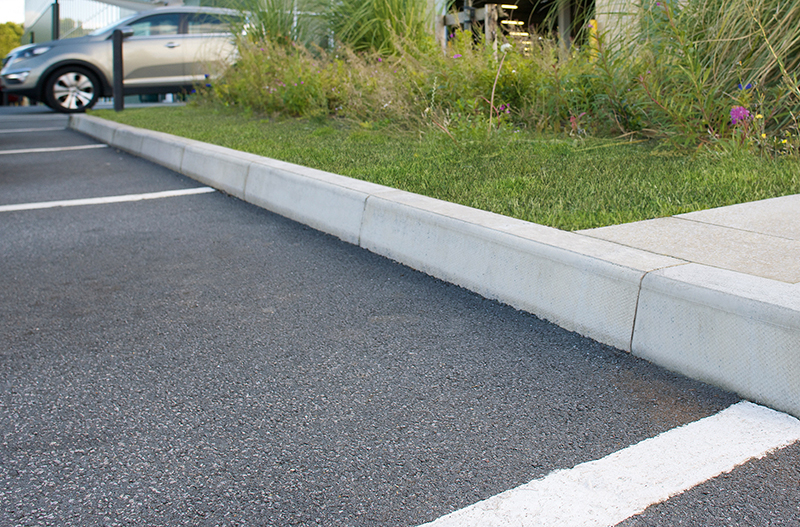
If you are planning a dropped kerb installation in Durham, permission is not optional in most cases. Many homeowners assume that because the work benefits their driveway, it counts as private construction. In reality, the kerb and pavement sit on the public highway, which immediately brings council rules and safety regulations into play.
Understanding whether permission is required should be the very first step, not something checked halfway through the project.
Why Dropped Kerbs Are Controlled by the Council
A dropped kerb changes how vehicles, pedestrians, and wheelchair users interact with the pavement. That makes it a public safety issue rather than a personal improvement.
In Durham, all dropped kerb permissions are managed by Durham County Council. Even if the pavement is directly outside your property boundary and you are paying for the work yourself, the council still has legal authority over it.
The purpose of this control is to ensure pavements remain safe, accessible, and structurally sound for everyone who uses them.
When Permission Is Required in Durham
Permission is required whenever a kerb is lowered or altered to create vehicle access from the road to private land. This includes new driveways, widened access points, and cases where a verge or footpath must be excavated.
The rule applies equally to residential homes, commercial properties, and new developments. There are very few genuine exceptions, and assuming your property qualifies without confirmation is one of the most common mistakes homeowners make.
What the Council Assesses Before Granting Approval
When you apply for a dropped kerb in Durham, the council does far more than review paperwork. The site is assessed for real-world safety and usability.
They consider whether drivers will have clear visibility when entering the road, whether the access point sits too close to a junction or crossing, and whether enough pavement width remains for pedestrians. Drainage is also checked to prevent surface water running onto the highway. Accessibility for wheelchair users and pushchairs is another critical factor.
A driveway that looks practical from a homeowner’s perspective can still be rejected if it fails one of these checks.
Who Is Responsible for Applying for Permission
In most cases, the responsibility for applying sits with the homeowner. Experienced contractors often help with guidance and design input, but permission itself cannot be ignored or delegated casually.
Professional installers understand how councils assess applications and can advise on layout, positioning, and feasibility before anything is submitted. That early advice often prevents refusals and redesigns later.
At Driveways Durham, we regularly speak to homeowners after an application has already been refused. In many cases, a small adjustment to the access point could have avoided the issue entirely if addressed earlier.
What Happens If You Install a Dropped Kerb Without Permission
Installing a dropped kerb without approval creates serious risks. The council can require the work to be removed and the pavement reinstated to its original condition. The cost of that work always falls on the homeowner, not the contractor.
Unauthorised installations can also cause problems with home insurance and often come to light during property sales. If someone is injured because of non-compliant work, liability becomes a real concern. In practice, skipping permission often means paying twice. Once for the initial installation and again to undo it.
Does Applying for Permission Guarantee Approval?
No. Applying does not mean approval is automatic. Some roads in Durham are unsuitable due to traffic levels, narrow pavements, or poor visibility. These refusals exist to prevent accidents and long-term highway damage. This is why it is important to check feasibility before committing to construction plans or paying deposits. Permission should guide the project, not react to it.
How Long Permission Usually Takes in Durham
Timescales vary depending on the location and complexity of the site. Most applications take several weeks, particularly if inspections or revisions are required. This is another reason permission must come first. Starting work early almost always causes longer delays, not faster completion.
Final Answer
Yes. If you are lowering a kerb or creating vehicle access across the pavement in Durham, permission is required in almost every situation.Treating approval as optional is one of the most expensive mistakes homeowners make. Starting with permission, using experienced professionals, and waiting for clearance before work begins is the only reliable way to avoid enforcement, rework, and long-term problems.